Best beaches in Sardinia
What is the single best beach in Sardinia?
There isn't one answer — La Pelosa in the north-west has the shallowest, most Caribbean-looking water; Cala Goloritzé in the east has the most dramatic setting; Chia in the south has the best mix of dunes and easy access. Pick by region rather than chasing one "best" beach.
Why “best beach” depends on which coast you’re on
Sardinia has 1,850km of coastline split across roughly six distinct beach regions, and they do not resemble each other. The south, around Cagliari and Chia, has wide dune-backed bays reachable by ordinary road. The Gulf of Orosei on the east coast has no coast road at all — its best beaches, Cala Goloritzé and Cala Mariolu, are only reachable by boat or on foot.
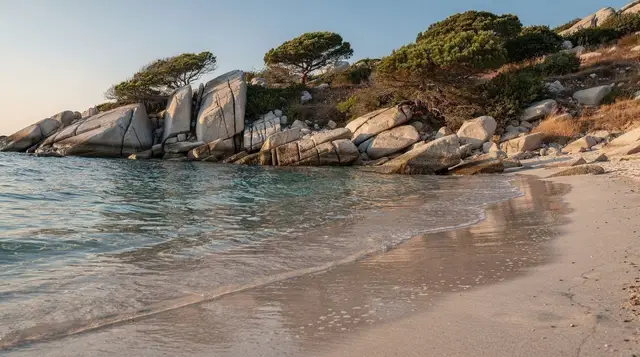
The north-west has La Pelosa’s shallow turquoise water at Stintino, while the Costa Smeralda trades wild scenery for granite coves and a higher price tag. Picking “the best beach” without picking a region first is how people end up disappointed with a three-hour drive.
This guide works region by region, with driving times, entry costs and the access quotas that now apply to several of the island’s best-known coves. For deeper coverage of each area, our region guides — best beaches in south Sardinia, best beaches in the Costa Smeralda, best beaches in the Gulf of Orosei, best beaches in north-west Sardinia and best beaches in west Sardinia — go much deeper than this overview can.
| Region | Signature beach | Getting there | Best for |
|---|---|---|---|
| South | Chia, Tuerredda | Car, 45-60 min from Cagliari | Dunes, families, easy access |
| Costa Smeralda | Spiaggia del Principe | Car, 20-40 min from Olbia | Granite coves, boat trips |
| Gulf of Orosei | Cala Goloritzé, Cala Mariolu | Boat or hike only | Dramatic scenery, no crowds infrastructure |
| North-west | La Pelosa | Car, 45 min from Alghero | Shallow water, sandbar |
| West | Is Arutas | Car, 25 min from Oristano | Quartz sand, wild dunes |
South Sardinia: the easiest coast to base a trip around
If this is your first visit and you want beaches without logistics, the south wins. Chia has three or four beaches within a 15-minute drive of each other — Su Giudeu, Sa Colonia and Tuerredda — backed by some of the tallest dunes on the island, up to 40m at points, with a medieval Spanish watchtower on the headland. Tuerredda now has a capped daily entry quota in July and August (booking recommended via the municipality’s system, and it fills by mid-morning in peak season).
Villasimius, an hour east of Cagliari, has calmer water and the Capo Carbonara marine protected area for snorkelling, covered in our Villasimius beaches guide. Closer to the city, Poetto is the only genuine urban beach on the island — 8km of sand a bus ride from Cagliari’s centre.
A guided day gets you to several coves without the parking scramble that peak-season Chia involves. We’d point first-timers to the full-day guided beach tour to Chia and Tuerredda, which handles both beaches and the drive in one booking. If you’d rather explore independently with a group, the van tour of the Chia beaches covers the same ground with more flexibility on timing. For the full regional picture, see best beaches in south Sardinia.
Costa Smeralda: pay more, get granite coves and boat culture
The north-east coast around Costa Smeralda, Porto Cervo and San Teodoro is Sardinia’s priciest stretch, and the beaches earn some of that reputation — Spiaggia del Principe and Cala Brandinchi (nicknamed “Little Tahiti”) both have genuinely pale sand and clear water that photographs like the Caribbean. What the price tag buys you here is less about the sand and more about the boat trips: this is the easiest coast on the island to charter a half-day dinghy or catamaran and see six or seven coves in an afternoon rather than fighting for parking at one.
The half-day guided tour of Costa Smeralda from Olbia is the simplest way to see the coast’s best-known bays without a car, and it stops at swimming spots most rental cars can’t reach by road. Full detail — including which beaches have quotas and which are free — is in best beaches in the Costa Smeralda.
The Gulf of Orosei: boat-only or hike-only, and worth the effort
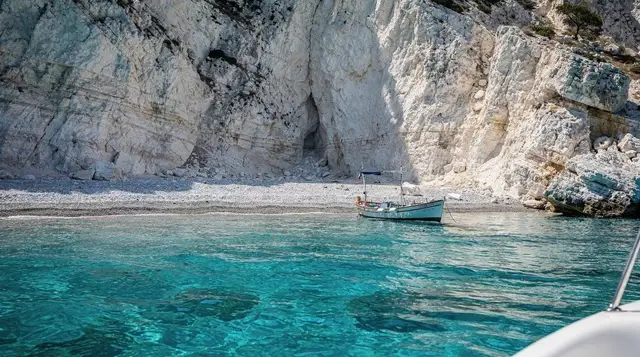
Nothing else in Sardinia looks like the Gulf of Orosei. Limestone cliffs drop straight into the sea for roughly 40km with no coast road, which means Cala Goloritzé, Cala Mariolu and Cala Luna are reached only by boat from Cala Gonone or Santa Maria Navarrese, or on foot via genuinely tough trails (the descent to Cala Goloritzé loses 300m in under 2km).
Cala Goloritzé now requires a paid, capped daily permit if you’re hiking in, and both it and Cala Mariolu have limits on visitor numbers. See our dedicated Cala Goloritzé guide and Cala Mariolu guide for permit links and trail notes, and Cala Luna guide for the one beach in the trio that’s an easier boat trip with no permit.
Boats run daily from Cala Gonone in season; the full-day Gulf of Orosei boat trip with swim stops from Cala Gonone hits three or four beaches including Cala Luna in one outing. From the southern end, the Gulf of Orosei day tour by boat from Arbatax covers the same coast from the other direction, which suits a base in Baunei or Ogliastra better than a Cala Gonone base does. The full region breakdown, including which boat operator reaches which cove, is in best beaches in the Gulf of Orosei.
North-west Sardinia: La Pelosa and Alghero’s quieter coves
Stintino’s La Pelosa is the beach most people picture when they think of Sardinia — knee-deep turquoise water over white sand, with the Torre della Pelosa watchtower rising straight out of the sea. It also has the strictest access rules on the island: a capped daily quota, mandatory booking, a fee, and a ban on beach towels directly on the sand (mats only, to protect the dune system).
Full details, including how early to book in August, are in our La Pelosa beach guide. Around Alghero, quieter coves inside Porto Conte Natural Park don’t have quotas and reward a bike or e-bike rather than a car — see best beaches in north-west Sardinia for the shortlist.
West Sardinia: quartz sand and empty dunes
The west coast, around Oristano and the Sinis peninsula, is the one region on this list most visitors skip, which is exactly its appeal. Is Arutas has sand made of rice-grain quartz pebbles rather than silica sand — genuinely unusual underfoot, and removing it carries the same fines as removing sand anywhere else in Sardinia.
Further south, Costa Verde’s dunes at Piscinas rank among the tallest moving dunes in Europe and see a fraction of the south coast’s crowds even in August. Our best beaches in west Sardinia guide has the full list along with why the west’s beaches stay quieter — mainly the extra driving time from Cagliari or Olbia airports.
Beach access quotas: what needs booking ahead in 2026
Six beaches on this island now cap daily visitor numbers or charge an entry fee: La Pelosa (Stintino), Cala Goloritzé and Cala Mariolu (Baunei), Cala Brandinchi and Lu Impostu (San Teodoro), and Tuerredda (Teulada). The rules differ by beach — some are a flat fee paid on arrival, others require an online booking days in advance — and missing the window means being turned away at the entrance in peak season. We’ve put the bookings, prices and deadlines for all six in one place in Sardinia’s beach access quotas explained, which is worth reading before you fix an itinerary around any of them.
Driving times between regions: what the map doesn’t show
Sardinia looks compact on a map, but there is no motorway outside the SS131 dual carriageway linking Cagliari, Oristano and Sassari, and the real average driving speed on most other roads is closer to 60km/h once you account for coastal bends, single-lane stretches through towns, and the total absence of shortcuts across the mountainous interior.
Cagliari to the Gulf of Orosei, for example, is around 2.5 to 3 hours despite being roughly 140km as the crow flies, and Alghero to the Costa Smeralda is a similar 2.5-hour drive along the north coast. Budget accordingly rather than trusting straight-line distance, and see our driving in Sardinia guide for road types and what to expect from rental cars on the smaller routes.
This matters most for anyone trying to combine two beach regions in a single trip. A base in Cagliari genuinely covers the south coast well but makes the Gulf of Orosei a long day trip rather than a relaxed one; a base in Olbia covers the Costa Smeralda easily but puts the west coast firmly out of reach for anything shorter than an overnight stay. Our how many days do you need in Sardinia guide and the itineraries section both build routes around this reality rather than around the map’s straight lines.
Which region suits which kind of trip
A first-time visitor with five to seven days is usually best served picking one base — south, north-west, or Costa Smeralda — and using it as a hub for day trips, rather than trying to circuit the whole island purely for beaches. Families with young children generally do best in the south, where Poetto and Chia both have gentle, shallow entry points and short drives between beach and accommodation.
Couples or groups without children who want dramatic scenery over convenience should prioritise the Gulf of Orosei, even if it means one demanding day rather than several easy ones. Anyone travelling on a tighter budget will find the west coast and the quieter parts of the south stretch further than the Costa Smeralda, where accommodation and dining both carry a real premium — see is Sardinia expensive and Sardinia on a budget for the numbers behind that comparison.
Jellyfish and sea conditions worth knowing
Mild jellyfish blooms occasionally appear along Sardinia’s coast in late summer, more commonly after a spell of onshore wind than as a predictable seasonal pattern — check locally rather than assuming any particular week is risk-free. None of the beaches on this list have a chronic jellyfish problem, but a sting is a mild, short-lived irritation rather than a serious concern; vinegar or hot water eases it faster than rubbing sand on the area, which is a persistent myth.
Snorkelling and diving alongside the beaches
Several of the beaches on this list double as strong snorkelling or diving spots, and it’s worth packing a mask even on a beach-focused trip. Villasimius in the south sits inside the Capo Carbonara marine protected area, one of the clearer stretches of water on the island; the Gulf of Orosei’s limestone seabed gives Cala Mariolu in particular a striking visibility that rewards even casual snorkelling from the shore. For anyone who wants to go further than a mask and fins, diving in Sardinia and best snorkelling spots in Sardinia cover operators and sites across all the regions in this guide.
Frequently asked questions about Sardinia’s beaches
Do I need a car to see Sardinia’s best beaches?
For the south, north-west and west coasts, yes — buses run infrequently and rarely reach the beaches themselves. See renting a car in Sardinia for what to expect. The Gulf of Orosei is the exception: those beaches are reached by boat, not car, so a base in Cala Gonone or Baunei without a hire car still works.
Which Sardinia beaches need advance booking in 2026?
La Pelosa, Cala Goloritzé, Cala Mariolu, Cala Brandinchi, Lu Impostu and Tuerredda all cap numbers or charge entry. Full booking links and deadlines are in our beach access quotas guide.
When is the best time to visit Sardinia’s beaches?
June and September give warm sea temperatures without the crowds or prices of July and August. See best time to visit Sardinia for a month-by-month breakdown.
Are Sardinia’s beaches free?
Most are — Italy’s public beach law guarantees free access to the shoreline. What you pay for is a sun lounger and umbrella at a licensed stabilimento (roughly €15-25 a day for two loungers) if you want one, or parking near the more popular coves.
Which region has the best beaches for families with young children?
The south, particularly Poetto and Chia, because the water shelves gently and facilities (toilets, cafes, lifeguards in season) are close by. Our Sardinia beaches with kids guide covers which specific beaches suit toddlers versus older children.
Can I visit several beach regions in one trip?
Yes, but budget driving time realistically — Sardinia’s average road speed outside the SS131 dual carriageway is closer to 60km/h. Our north versus south Sardinia comparison and the itineraries section have route suggestions that don’t over-pack the driving.
Is it worth hiring a boat instead of joining a group tour?
For the Gulf of Orosei and Costa Smeralda, a private boat gives you flexibility on timing and avoids other tour groups at the same coves, at a higher price. Our private versus group boat tours comparison weighs the trade-off in detail.
Beach & coastal tours on GetYourGuide
Verified deep-linked GetYourGuide tours. Book through these links and we earn a small commission at no cost to you.
These are our own photographs of Sardinia, not the operator's pictures of this tour — open the tour page to see those.