Best beaches on the Costa Smeralda
What is the best beach on the Costa Smeralda?
Spiaggia del Principe, near Porto Cervo, has the palest sand and clearest water and is the coast's signature beach. Liscia Ruja is calmer and slightly less crowded for the same water quality, and a half-day boat trip reaches several smaller coves that have no road access at all.
Why the price tag here buys boats, not better sand
The Costa Smeralda is Sardinia’s most expensive stretch of coast, developed from the 1960s onward around Porto Cervo as a purpose-built resort area, and the reputation for glamour is mostly accurate at the marina and restaurant level rather than at the beach level.
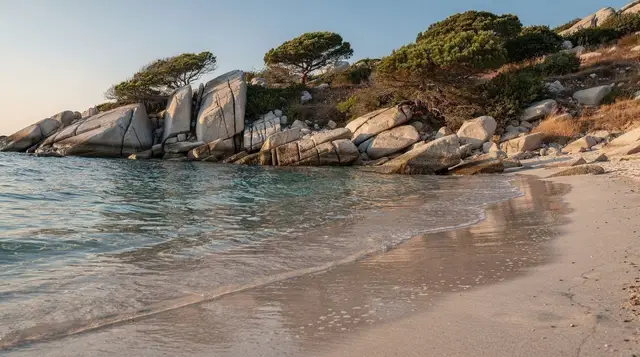
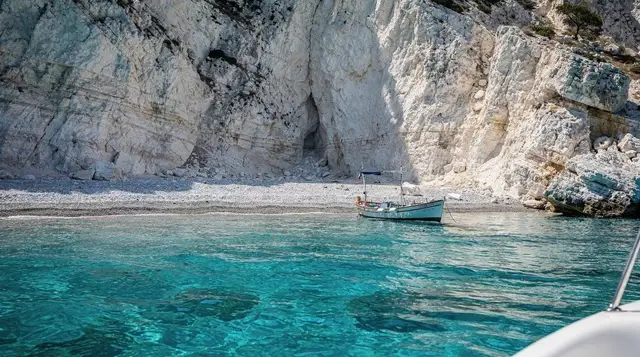
The sand itself is genuinely excellent — pale, fine, and backed by juniper scrub rather than concrete — but so is plenty of sand in the south of the island for a fraction of the price. What the Costa Smeralda does better than anywhere else in Sardinia is boat access: granite coves with no road at all are a 20-minute dinghy ride from Porto Cervo or Olbia, which makes a half-day charter here more worthwhile than almost anywhere else on the island.
| Beach | Access | Character | Quota |
|---|---|---|---|
| Spiaggia del Principe | Road, then a short walk | Pale sand, clear water, busiest | No formal cap, arrive early |
| Liscia Ruja | Road, paid parking | Calmer, family-friendly | None |
| Capriccioli | Road | Rocky headlands, snorkelling | None |
| Small coves near Porto Cervo | Boat only | Granite, secluded | None, but access-limited by nature |
| Cala Brandinchi (San Teodoro) | Road | ”Little Tahiti” sandbar | Yes, capped in peak season |
Spiaggia del Principe: the coast’s signature beach
Spiaggia del Principe, a short drive and a five-minute walk from the road near Porto Cervo, is the beach most photographs of the Costa Smeralda are taken on — pale, fine sand in a horseshoe bay with water that stays shallow and clear for a long way out. It gets busy by mid-morning in July and August because parking is limited and there’s no way to reserve a spot; arriving before 9.30am or after 4pm is the practical way around the crowds. See our dedicated Spiaggia del Principe guide for the exact parking situation and the walk-in route.
Cala Brandinchi and Lu Impostu: the sandbar beaches near San Teodoro
Further south towards San Teodoro, Cala Brandinchi has earned the nickname “Little Tahiti” for its narrow sandbar and lagoon-pale water, and Lu Impostu next door is nearly as good with slightly fewer visitors. Both now cap daily numbers in peak season with paid, timed entry — see Cala Brandinchi and Lu Impostu guide for the booking process, and Sardinia’s beach access quotas for how these two compare to the other capped beaches on the island.
Seeing the coast by boat rather than by car
This is where the Costa Smeralda genuinely outperforms the rest of Sardinia. A half-day dinghy or catamaran charter from Porto Cervo, Palau or Olbia reaches five or six coves that have no beach car park at all, stopping to swim and snorkel at each rather than fighting for a parking space.
The half-day guided tour of Costa Smeralda from Olbia is the straightforward group option and covers the coast’s best-known bays in around four hours. For something quieter, the private Costa Smeralda dinghy tour lets you set the pace and pick which coves to linger at rather than following a fixed group schedule.
From Palau, further north, the hybrid eco boat tour with aperitif covers the northern end of the coast and pairs the swim stops with a sunset drink — a good option if you’re staying nearer Santa Teresa Gallura or La Maddalena than Porto Cervo itself.
If you’d rather see the coast under sail with a full aperitivo built in, the sunset aperitif cruise from Porto Rotondo covers swimming coves earlier in the trip before winding down into the evening light. Our Costa Smeralda boat tours guide compares every operator on this stretch in detail.
Liscia Ruja and Capriccioli: calmer alternatives to Principe
If Spiaggia del Principe’s crowds put you off, Liscia Ruja a short drive south has near-identical water quality with more space to spread out, plus a couple of beach bars if you don’t want to bring your own lunch. Capriccioli, further along, trades some of the pale-sand drama for rockier headlands that reward snorkelling — bring a mask even if you weren’t planning to swim far. Both are covered by the things to do in Costa Smeralda breakdown above, and neither has any access quota as of 2026.
Is it actually worth the extra cost?
Costa Smeralda restaurants, beach clubs and parking routinely run 30-50% above south-coast prices for a comparable experience, and it’s fair to ask whether that premium is worth paying purely for beach time.
Our honest answer, covered fully in is the Costa Smeralda worth it, is that the sand and water are genuinely among the best on the island, but you can get 80% of the experience at 50% of the cost by basing yourself in Olbia or Golfo Aranci rather than Porto Cervo itself and driving in for beach days. For a direct comparison of this coast against the island’s other headline beach region, see Costa Smeralda versus the Gulf of Orosei.
Where to base yourself for beach access without the premium
Porto Cervo itself is the postcard base but carries the coast’s highest accommodation prices by a wide margin; Olbia, 20-30 minutes’ drive from most of the beaches on this list, is considerably cheaper and has better transport links, including the region’s main airport. Golfo Aranci, a little further north, offers a similar trade-off with its own small beaches if you don’t want to drive every day.
Arzachena, inland from Porto Cervo, splits the difference — closer to the coast than Olbia, without Porto Cervo’s marina prices — and doubles as a base for visiting the Tombs of the Giants and other Bronze Age sites nearby on days when the beach plan takes a back seat.
Eating near the Costa Smeralda’s beaches
Restaurant prices near Porto Cervo’s marina run well above the island average, and a simple lunch can easily cost double what the same meal costs in Olbia or Arzachena. The better-value option, and often the better food, is eating in the small inland villages a short drive from the coast, where trattorie serve the same Gallura specialities — zuppa gallurese, a bread-and-cheese soup rather than a liquid one, and grilled seafood — at prices closer to the rest of the island. Our where to eat in Sardinia by area guide has specific recommendations for this stretch, and Sardinian food and wine covers the regional dishes worth seeking out beyond the beach clubs.
When to visit for the best balance of weather and crowds
June and the second half of September give the Costa Smeralda’s best combination of warm water and manageable crowds — July and especially August see Spiaggia del Principe and Liscia Ruja at genuine capacity by mid-morning, with parking becoming the limiting factor rather than the beaches themselves. The coast also catches more wind than the sheltered south, which can affect boat trips in the shoulder months; checking the forecast before booking a half-day charter specifically for flat water is worth the extra step. See Sardinia in June and Sardinia in September for month-specific detail.
Getting to the Costa Smeralda
Most visitors fly into Olbia Costa Smeralda airport, which sits closer to this coast than any other airport on the island — Porto Cervo is around 30 minutes’ drive, and the smaller beach towns further north are 20-40 minutes depending on which stretch you’re headed to.
Ferries also run into Olbia from mainland Italy and France, a reasonable option if you’re bringing a car from the mainland rather than flying and hiring one locally — see ferries to Sardinia for routes and crossing times. Once on the coast, a hire car remains the most practical way to string together several beaches in a day, since public transport along this stretch is limited outside the main towns.
Comparing the Costa Smeralda to the rest of Gallura
Beyond the beaches covered here, the wider Gallura region has its own worthwhile stops that pair naturally with a Costa Smeralda beach trip. Santa Teresa Gallura, at the northern tip, has its own beaches and the ferry crossing to Corsica’s Bonifacio, covered in a day trip to Bonifacio and Corsica.
La Maddalena and its archipelago, a short ferry ride from Palau, offer a genuinely different kind of beach day — granite islands and clearer water again reached mostly by boat — detailed in our La Maddalena archipelago boat tour guide. Either makes a strong day away from the Costa Smeralda proper if the crowds or the prices start to wear thin.
Packing and practical notes for a Costa Smeralda beach day
Bring water shoes for Capriccioli and the smaller granite coves reached by boat, where the entry is often over smooth but uneven rock rather than sand. A reef-safe sunscreen is worth prioritising in the marine protected areas near La Maddalena if that’s part of your trip, and a dry bag is genuinely useful on any of the dinghy or catamaran tours, since spray is common even on calm days. Cash is still the easier option at some of the smaller beach kiosks and informal parking attendants near Spiaggia del Principe, even though card payment has become standard at the main stabilimenti and restaurants.
Sunbeds, beach clubs and stabilimenti
Most of the Costa Smeralda’s headline beaches keep a stretch of free, unassigned sand alongside any paid stabilimento (beach club) section, so renting a sunbed and umbrella is optional rather than compulsory, contrary to what some first-time visitors expect. A sunbed and umbrella for the day typically runs €25-45 at the more established clubs near Spiaggia del Principe and Liscia Ruja, rising further at anything attached to a five-star hotel. Bringing your own umbrella and towel and using the free sand is entirely normal practice here, including among Italian visitors, and doesn’t carry any of the social awkwardness a newcomer might assume.
Snorkelling gear and what to bring for the boat coves
A mask and snorkel are worth packing rather than relying on rental gear for the granite coves reached by boat — Capriccioli and the smaller bays near Porto Cervo reward a proper look beneath the surface, with visibility that regularly matches anywhere else on the island’s north coast. Water shoes help on the rockier entries at Capriccioli specifically, where the seabed is smooth granite rather than sand for the first few metres. None of the boat operators covered above supply full snorkelling kits as standard, though most can provide masks on request — bringing your own remains the more comfortable option across a full day on the water.
Frequently asked questions about Costa Smeralda beaches
Is the Costa Smeralda worth visiting just for the beaches?
Yes, on quality alone — Spiaggia del Principe and Liscia Ruja are among Sardinia’s best. Whether it’s worth the accommodation premium is a separate question, covered in is the Costa Smeralda worth it.
Do Costa Smeralda beaches require booking?
Most don’t, with the exception of Cala Brandinchi and Lu Impostu near San Teodoro, which cap numbers in peak season. See beach access quotas for the current rules.
What’s the best way to see the Costa Smeralda’s coves without a car?
A half-day boat charter from Olbia, Porto Cervo or Palau — several of the best coves have no road access at all, so a boat is the only way to reach them regardless of whether you’re driving.
How does the Costa Smeralda compare to the Gulf of Orosei for beaches?
The Costa Smeralda has easier access and warmer facilities nearby; the Gulf of Orosei has more dramatic cliff scenery but demands a boat trip or a serious hike. Full comparison in Costa Smeralda versus the Gulf of Orosei.
Is Porto Cervo a good base for beach days?
It’s central to the best beaches but the most expensive base on the coast. Olbia or Golfo Aranci are 20-30 minutes’ drive and considerably cheaper without losing access.
Are Costa Smeralda beaches crowded in August?
Yes, particularly Spiaggia del Principe and Liscia Ruja by mid-morning. A boat trip to the smaller road-inaccessible coves is the most reliable way to avoid the crowds in peak season.
Do I need to pay to access Costa Smeralda beaches?
No — Italian law keeps all beaches public and free; only the sunbed and umbrella areas run by stabilimenti (beach clubs) charge, and free unassigned sand is available alongside them at every beach on this list.
Is it normal to bring your own umbrella rather than renting one?
Yes, entirely normal, including among Italian visitors — renting a sunbed from a stabilimento is optional, not expected, at any of the beaches covered here.
Beach & coastal tours on GetYourGuide
Verified deep-linked GetYourGuide tours. Book through these links and we earn a small commission at no cost to you.
These are our own photographs of Sardinia, not the operator's pictures of this tour — open the tour page to see those.