Renting a car in Sardinia
Do you really need to rent a car in Sardinia?
For most itineraries, yes. Public transport connects the main towns but rarely reaches the beaches, coves and rural sites that make up most of a Sardinia trip — buses run infrequently outside peak commuting hours and trains serve only a handful of towns. A rental car is the default for anyone not staying inside one city for their whole trip.
Why a car is the default here, not an optional extra
Sardinia’s public transport network was built to move people between towns for work, not to move tourists between beaches. Bus routes (run by ARST) connect most municipalities but with limited frequency — some rural routes run twice a day — and the rail network, mostly the state operator Trenitalia plus the scenic narrow-gauge Trenino Verde, touches only a handful of the coastal and inland destinations most visitors want to reach. Add that many of the island’s best coves sit at the end of unpaved access roads with no bus route anywhere near them, and the conclusion most trip planners reach quickly is the right one: unless your entire trip stays inside a single city, you need a car.
| Main rental hubs | Cagliari-Elmas (CAG), Olbia Costa Smeralda (OLB), Alghero-Fertilia (AHO) |
| Typical minimum age | 21, often with a young-driver surcharge under 25 |
| Deposit hold | Roughly €200-1,500 depending on car class and excess level |
| Peak season pricing | July-August rates can run 2-3x low-season rates; book weeks ahead |
| One-way fee (airport to airport) | Often applies, sometimes substantial — check before booking |
| Fuel | Petrol and diesel both common; confirm your car’s fuel type at pickup |
The three airports, and where the agencies actually are
Sardinia has three airports, and all three have car rental counters clustered in or near arrivals: Cagliari-Elmas (CAG) in the south, Olbia Costa Smeralda (OLB) in the north-east, and Alghero-Fertilia (AHO) in the north-west. Major international brands — Hertz, Avis, Europcar, Sixt — operate at all three, alongside smaller local operators that are sometimes cheaper but worth checking carefully for insurance terms and fuel policy before booking.
Which airport to fly into matters more for car rental logistics than most visitors expect. If your trip covers the whole island, picking up in one city and dropping off in another (Cagliari to Olbia, for instance) is usually possible but almost always carries a one-way fee, sometimes a significant one in peak season — worth pricing before committing to an asymmetric itinerary, since it can change which airport makes sense to fly into in the first place.
Requirements: age, licence and the deposit that catches people out
Most agencies set a minimum age of 21, with a young-driver surcharge applying under 25 that can add a meaningful amount to the total cost — worth factoring in if you’re in that age bracket rather than discovering it at the counter. EU and UK driving licences are generally accepted without an International Driving Permit, though requirements vary by nationality and occasionally by agency, so it’s worth confirming what your specific licence needs before travelling rather than assuming.
The detail that surprises first-time renters most is the security deposit: agencies place a hold on your credit card — commonly somewhere between €200 and €1,500 depending on the car class and the excess level of your insurance — that’s released after the car is returned undamaged, typically within a couple of weeks. This must be a credit card, not a debit card, at almost every agency, and the hold reduces your available credit for the length of the rental, which matters if you’re travelling with a card close to its limit.
Insurance: what basic cover actually leaves you exposed to
The rate advertised at booking almost always includes only basic third-party and collision cover with a high excess — often €800-1,500 — meaning that basic cover leaves you liable for a substantial sum if the car is damaged, even in a minor incident that isn’t your fault. Reducing that excess, either through the agency’s own additional cover or a third-party excess insurance policy bought separately, is worth doing for anyone not comfortable carrying that exposure. Photograph the car thoroughly at pickup — every panel, existing scratches, the fuel gauge — since disputes over pre-existing damage are the most common friction point at drop-off.
ZTL zones and where not to drive without checking first
Several historic centres — Alghero’s old town, parts of Cagliari’s Castello quarter, Olbia’s centre — have ZTL (Zona a Traffico Limitato) restricted zones where driving without a permit triggers an automatic camera fine, often mailed to your home address weeks or months after the trip, sometimes with rental agency administration fees added on top. These zones are usually marked but easy to miss if you’re not looking, and the fine applies regardless of whether you saw the sign. Park outside the marked zone and walk in rather than risk it — nearly every historic centre worth visiting is compact enough that this costs you only a short walk.
If you decide against renting: transfers, bikes and the airport train
Not every trip needs a rental car for its full length. Visitors staying entirely within Cagliari, or splitting a trip between a few days in one city and an organised tour for the rest, sometimes do better without one.
Private transfers cover the airport-to-hotel leg without the hassle of navigating an unfamiliar rental counter after a flight: the private transfer to and from Cagliari Airport and the one-way private transfer from Cagliari Elmas Airport both cover this route, and the private transfer to and from Alghero-Fertilia Airport covers the equivalent journey in the north-west.
Inside Cagliari itself, the train ticket between the airport and city is the cheapest and often fastest option for that specific short hop, and a bike covers a surprising amount of ground for visitors staying centrally — the rental bike delivery service covering Cagliari and wider Sardinia drops a bike directly to your accommodation, which suits a city-based stay better than a car that would mostly sit parked.
Booking timing and what changes by season
Peak-season pricing (July-August) can run two to three times low-season rates, and popular car classes — anything larger than a compact, and automatics specifically — sell out weeks ahead in August. Booking three to six months out for a summer trip is standard practice among repeat visitors; booking a week before arrival in August often means paying a premium for whatever’s left, frequently a manual transmission in a smaller class than planned. Shoulder-season travellers (May, June, September, October) have far more flexibility and meaningfully lower prices, one more reason those months are increasingly recommended over peak summer. See best time to visit Sardinia for the fuller seasonal picture.
Getting the practicalities right once you’re driving
Renting the car is only step one — see our companion driving in Sardinia guide for what the roads actually involve: real driving speeds, fuel stations, unpaved access roads to beaches, and the absence of a true motorway outside the SS131. For getting to and from the airports without your own transport at either end of the trip, our airport transfers in Sardinia guide covers the wider range of options beyond what’s listed here, and public transport in Sardinia and visiting Sardinia without a car lay out what’s realistically achievable if you decide to skip a rental entirely.
Automatic vs manual, and the fine print worth reading before booking
Most rental fleets in Sardinia default to manual transmission, and automatics — while available at all three airports — cost more and sell out first in peak season, particularly in July and August. If an automatic matters, book weeks rather than days ahead and confirm the transmission in writing, since online listings occasionally show an automatic as available when the actual fleet has run out and a manual substitution is offered instead.
Mileage is usually unlimited on standard rentals, but it’s worth double-checking on any unusually cheap listing, since a handful of budget operators cap it and charge per extra kilometre. Child seats, if needed, are rarely included in the base price and should be requested and paid for at booking rather than assumed available at the counter — supply is limited, especially in August.
If something goes wrong: breakdowns, accidents and roadside cover
Most rental agreements in Sardinia include basic roadside assistance, but it’s worth confirming the number to call and keeping it accessible before you’re stranded on a mountain road with no signal, which happens more often in the interior than on the coast. In the event of an accident, however minor, the standard advice is to document everything — photos of both vehicles, the other party’s details, and if another car is involved, ideally a joint accident report (constatazione amichevole) — before contacting the rental agency’s emergency line.
Minor scrapes in tight ZTL streets or narrow rural lanes are common enough that agencies are used to handling them, but delaying the report can complicate an insurance claim. If the car becomes undriveable, most agencies will arrange a replacement, though response times in remote parts of the Ogliastra or Gennargentu interior can run to several hours rather than the near-immediate service assumed in a city.
Toll roads, parking and fuel: what driving actually costs
Sardinia has no toll motorways — the SS131 and its branches are free to drive, unlike much of mainland Italy’s autostrada network, which keeps the cost of covering long distances lower than visitors sometimes expect. Fuel prices track the Italian national average, generally a little higher than in northern Europe and the US but broadly in line with the rest of Italy; both petrol and diesel are widely available, though stations thin out noticeably in the interior and close earlier outside towns, so it’s worth not letting the tank run low on longer rural drives.
Parking in town centres is usually metered (look for blue-lined spaces) and typically costs €1-2 per hour in high season, with free white-lined spaces often available a short walk further out. Beach car parks, particularly at the more popular and quota-managed coves, frequently charge a flat daily fee of €5-10 in summer, separate from any rental car costs.
Picking up outside standard counter hours
All three airports handle late and early flights, but rental counters don’t always run 24 hours, particularly at Alghero-Fertilia, which has fewer daily arrivals than Cagliari or Olbia. If your flight lands after the posted counter hours, confirm in advance whether the agency offers an after-hours key collection or a surcharge for out-of-hours pickup — arriving to a locked counter with no arrangement made is a genuinely common problem in shoulder season, when flight schedules shift but counter hours don’t always follow.
Frequently asked questions about renting a car in Sardinia
Is it cheaper to rent from the airport or in town?
Airport rentals are usually more convenient and only marginally more expensive, if at all, since most agencies price consistently across their locations. The time saved not needing a taxi or transfer to a town-centre branch generally outweighs any small saving.
Can I drop the car off at a different airport than I picked it up from?
Usually yes, but a one-way fee almost always applies and can be significant in peak season — check this cost before finalising an itinerary that assumes free one-way flexibility.
Do I need an International Driving Permit to rent a car in Sardinia?
Requirements vary by nationality; EU and UK licences are generally accepted without one, but confirm your specific situation before travelling rather than assuming, since rules do change.
What’s the security deposit for, and when do I get it back?
It’s a hold against damage or fuel discrepancies, released after the car is returned in the condition it was rented in, typically within a couple of weeks. It requires a credit card, not a debit card, at nearly all agencies.
Should I buy extra insurance beyond what’s included?
Worth considering — the included cover usually has a high excess, often €800-1,500, that you’d be liable for even in a minor, not-your-fault incident. Reducing that excess through the agency or a third-party policy removes that exposure.
Is a compact car big enough for a Sardinia road trip?
For most trips, yes — the roads outside the SS131 are narrow and winding enough that a compact car is genuinely easier to drive than a larger one, and fuel costs are lower. Only larger groups or significant luggage really need to size up.
Are there toll roads in Sardinia?
No. The SS131 and its branch roads are free to drive, unlike mainland Italy’s autostrada network — one less cost to budget for on a road trip.
What happens if I have an accident in a rental car?
Document the scene with photos, exchange details with the other party, and contact the rental agency’s emergency line before doing anything else. Minor scrapes are common on narrow rural roads and agencies are generally well set up to handle them.
Can I pick up a car outside normal opening hours?
Sometimes, for a surcharge — but not guaranteed at all three airports. Alghero-Fertilia in particular has fewer staffed hours than Cagliari or Olbia, so confirm an after-hours arrangement before booking a very early or late flight.
Transport passes & transfers on GetYourGuide
Verified deep-linked GetYourGuide tours. Book through these links and we earn a small commission at no cost to you.
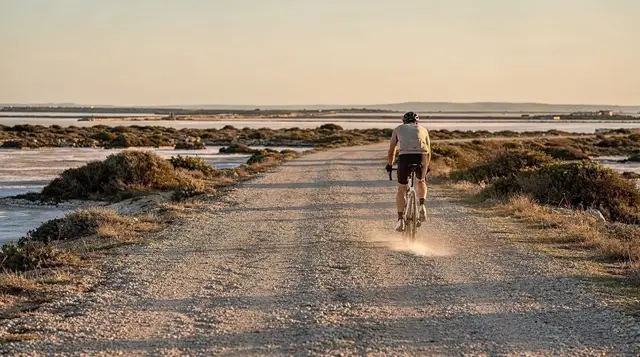
These are our own photographs of Sardinia, not the operator's pictures of this tour — open the tour page to see those.