Sardinia on a budget
Is Sardinia an expensive place to visit?
It can be, but it doesn't have to be. The Costa Smeralda and July-August pricing across the island are genuinely expensive; the south, west coast and shoulder-season travel bring daily costs down to roughly €70-100 per person for a comfortable mid-range trip, or €45-60 travelling carefully.
Sardinia has two very different price tags
The Costa Smeralda in August and the rest of Sardinia most of the year are, practically speaking, two different destinations price-wise. A week around Porto Cervo in peak season can run to luxury-Mediterranean prices — €300+ a night for decent hotels, €25 spritzes, beach club sunbeds that cost more than a whole day elsewhere on the island.
The same week around Oristano, Iglesias or the Sulcis coast, or the Costa Smeralda itself outside July and August, runs at a fraction of that. Sardinia’s reputation for being expensive is really a reputation earned by one corner of the island in eight weeks of the year — full detail on how that reputation holds up is in is Sardinia expensive.
| Daily budget per person | Accommodation | Food | Transport | Total (rough) |
|---|---|---|---|---|
| Budget | €25-45 (hostel/B&B) | €20-25 (self-catering, casual) | €15-20 (shared hire car) | €60-90 |
| Mid-range | €60-100 (3-star hotel/agriturismo) | €35-50 (restaurant meals) | €20-30 (hire car) | €115-180 |
| Comfortable | €120-200+ (4-star, boutique) | €60-90+ | €30-50 | €210-340+ |
Setting a realistic total before you book anything
Before booking flights, it’s worth roughly sketching a total for the trip rather than pricing individual items as they come up — accommodation for the number of nights, a hire car for the whole trip rather than day by day, an estimate for meals based on how much self-catering versus restaurant eating you actually intend to do, and a fixed allowance for paid activities and entry fees. Doing this up front tends to reveal where a trip’s real cost concentrates — usually accommodation and the hire car together, rather than food or activities, which is why the sections below focus most of their attention there.
Where the real money goes: accommodation
Accommodation is the single biggest lever on total cost, and it moves more than almost any other line item between regions and seasons. A double room in an agriturismo in the interior or west coast can run €70-100 a night including a genuinely good dinner, while the same standard of room on the Costa Smeralda in August can be triple that. Booking in May, June or September rather than July-August routinely cuts accommodation costs by 30-50% for the same property. Our hotel versus agriturismo comparison is worth reading before booking, since agriturismi often undercut hotels on price while including meals that would otherwise be a separate cost.
Food: where casual eating beats the guidebook restaurants
Sardinia’s food culture doesn’t require expensive restaurants to eat well. A proper plate of culurgiones or malloreddus at a family-run trattoria away from the main tourist strip typically runs €10-15, versus €20-25 for the same dish at a seafront spot with a view.
Markets and alimentari (small grocers) sell excellent bread, cheese and cold cuts for a self-catered lunch at a beach for a few euros a person — pane carasau and a wedge of pecorino goes further than it sounds. Our where to eat in Sardinia by area guide flags which towns have genuinely good-value eating versus which have priced themselves for passing tourist traffic.
Transport: the biggest budget decision on the whole trip
A hire car is close to mandatory for exploring beyond a single base, and it’s also where budget travellers most often get caught out by extras — see car hire traps in Sardinia before booking, since insurance excess, fuel policy and one-way fees can add 30-40% to a headline quote. Booking well ahead and avoiding one-way rentals between airports both help meaningfully.
For travellers without a car, public transport in Sardinia is genuinely usable between towns and cities, just not to most beaches, and our hiring a car versus booking tours comparison weighs whether day tours actually work out cheaper than a week-long rental for a shorter trip.
A private day tour, like the day trip from Oristano covering the Sinis peninsula, can beat the cost of a rental car plus fuel and parking for a single day out. Fuel itself is a real line item on a longer trip — petrol prices in Sardinia sit close to the Italian mainland average, and given how much driving a multi-region itinerary involves, budgeting €10-15 a day for fuel on a car-based trip is realistic rather than an afterthought.
Splitting a hire car and its fuel cost across three or four travellers rather than two brings the per-person transport cost down significantly, which is one reason group trips tend to budget more comfortably than solo or couple trips covering the same ground.
Activities: free and low-cost ways to fill a day
Beaches themselves are free under Italian law — what costs money is a sunbed and umbrella at a licensed stabilimento (roughly €15-25 for two loungers a day), which is entirely optional; bring your own towel and the sand is free. Most of Sardinia’s nuraghi charge a modest entry fee (€5-10), and walking trails through the Supramonte or along Capo Testa cost nothing beyond fuel or a bus fare to the trailhead.
Town centres like Alghero’s old town, Bosa and Castelsardo reward a wander without a single paid attraction needed. Where a paid activity does earn its cost, a shared group boat tour is usually the budget-friendly version of seeing the coast from the water — the day trip sailing boat from Alghero and the hidden beaches boat excursion from Cagliari both cost a fraction of chartering a private boat for the same coastline.
The cheaper regions to base a trip around
The west coast around Oristano and the Sinis peninsula, and the south-west around Iglesias, Carbonia and Carloforte, consistently run cheaper than the Costa Smeralda or even Cagliari’s smarter neighbourhoods — accommodation, food and even fuel prices tend to sit lower the further you get from the airports at Olbia and Alghero.
These regions aren’t a compromise on quality either: Is Arutas, Piscinas and the ruins at Tharros are genuine highlights, just less marketed than the north-east coast. A budget-conscious itinerary built around the west and south can look a lot like our Sardinia in 5 days plan with regions swapped for the cheaper ones.
Grocery shopping and markets: where the real savings are
Self-catering even a few meals a trip adds up fast in a country with genuinely good, affordable produce. Local alimentari and weekly markets in towns like Alghero, Oristano and Cagliari sell bread, cheese, cured meats and fruit at prices well below anything aimed at tourists, and a picnic put together this way for a beach day typically costs a third of a sit-down lunch at a beachfront restaurant.
Supermarkets (Conad, Eurospin, Lidl are all present on the island) are worth a stop even for travellers who mostly eat out, for water, snacks and breakfast items — buying a few days’ worth at once avoids the higher prices charged by small shops in the most touristed beach towns. Wine bought directly from a Cannonau or Vermentino producer, or from a well-stocked enoteca rather than a restaurant list, is another easy saving that also tends to be better wine for the money.
Common ways money leaks out of a Sardinia trip
Fines are a real, avoidable cost — taking sand or shells from a beach carries fines from €500 to €3,000, enforced with spot checks at some ports and airports, and unbooked entry to quota beaches like La Pelosa can mean being turned away after a wasted drive. Parking scams and inflated “guarding” fees near popular beaches are a minor but recurring nuisance in peak season. Our fines and scams to know in Sardinia and Sardinia tourist traps guides cover both in more detail, and they’re worth ten minutes before a first trip.
Getting there without overspending on flights and ferries
Flights into Sardinia’s three airports vary a lot in price by route and season — budget carriers serve Cagliari-Elmas, Olbia Costa Smeralda and Alghero-Fertilia from a wide range of European cities, and booking several months ahead for a July or August date makes a real difference given how quickly the cheapest fares sell.
Travellers bringing a car from mainland Italy or France can compare the cost of ferries to Sardinia against flying plus a local hire car — for a longer trip with a lot of driving planned, the ferry-and-own-car option sometimes wins on total cost even before factoring in the convenience of not switching vehicles. Our ferry versus flight comparison runs the numbers both ways for a typical week-long trip.
Camping and other low-cost accommodation types
Beyond hostels, B&Bs and budget hotels, Sardinia has a genuine campsite culture along much of its coast, particularly in the south and on the east coast near the Gulf of Orosei — pitch fees for a tent typically run €15-25 a night for two people, considerably below even the cheapest hotel room, and many sites include good facilities and are a short walk from the beach itself. A camper van trip is a related option that folds accommodation and transport into a single cost, though rental prices for the van itself need weighing against a conventional hire car plus separate lodging — it tends to pay off best on longer trips of ten days or more where the daily savings compound.
Free festivals and cultural events
Several of Sardinia’s best cultural experiences cost nothing to attend. Sant’Efisio in Cagliari, the Cavalcata Sarda in Sassari, and the Sartiglia in Oristano are all free to watch as a spectator, and village sagre — small local food and wine festivals held through spring, summer and the autumn harvest — are usually free entry with food and wine sold cheaply on-site. Timing a trip around one of these, covered in our festivals calendar, adds a genuinely memorable day without adding to the budget the way a paid excursion would.
A sample budget day
To make the ranges above concrete: a budget day might start with coffee and a pastry at a local bar (€2-3), a self-catered beach lunch of bread, cheese and fruit from a morning market stop (€6-8 a person), an afternoon at a free public beach, and dinner at a family-run trattoria away from the seafront (€12-15 a person for a full meal with wine). Add a shared hire car worked out per person per day (roughly €15-25 depending on group size) and the total lands comfortably within the €60-90 budget range from the table above, without feeling like a trip built around deprivation — the food alone, done this way, is often better than a pricier tourist-menu equivalent.
Budgeting for peak versus shoulder season
The single biggest lever remains timing. A budget trip planned for July or August will struggle to hit the lower end of these ranges no matter how carefully food and activities are chosen, simply because accommodation and hire-car prices both roughly double compared with June or September. If the budget is the primary constraint and dates are flexible, shifting a trip by even three or four weeks either side of the summer peak often saves more than any single tactic covered above. Our best time to visit Sardinia guide has the month-by-month detail behind this trade-off.
A worked example: what a week actually costs
For a concrete number rather than a range, our real cost of a week in Sardinia breaks down an actual mid-range week line by line, flights excluded — accommodation, hire car, fuel, meals and two paid activities. It’s a useful sanity check against the ranges above, and it shows how much a single choice, like a Costa Smeralda base versus a west-coast one, changes the total.
Budget-friendly activities beyond the obvious
A few paid activities are worth the money even on a tight budget because they replace a much larger cost — a single group boat trip to the Gulf of Orosei beats the cost and hassle of a private charter, and entry to a well-chosen nuraghe like Su Nuraxi di Barumini delivers a genuinely memorable few hours for a modest fee. Skip the paid extras that add little — guided town walks in places like Alghero or Bosa are easy to do independently with a bit of reading beforehand, saving the cost of a formal tour for a site where local knowledge actually adds value.
Frequently asked questions about budgeting for Sardinia
How much should I budget per day in Sardinia?
Roughly €60-90 a day for a careful budget trip, €115-180 for a comfortable mid-range trip, and €210+ for a more comfortable pace — see the table above for what each buys.
Is Sardinia cheaper than Sicily or mainland Italy?
It’s broadly comparable outside the Costa Smeralda, and can be notably cheaper in the south and west; see Sardinia versus Sicily for a direct comparison.
What’s the single biggest way to cut costs in Sardinia?
Travel in May, June or September rather than July-August — accommodation alone typically drops 30-50% for the same property, and quota-beach bookings are far easier to secure.
Is it cheaper to hire a car or book day tours?
For a week or more of exploring multiple regions, a hire car usually wins on cost per day; for a short trip or a single complex route like the Gulf of Orosei, a day tour can work out cheaper. See hiring a car versus booking tours.
Are beaches free in Sardinia?
Yes — Italian law guarantees free public access to the shoreline. Optional sunbeds and umbrellas at licensed stabilimenti cost roughly €15-25 for two loungers a day.
Where should budget travellers base themselves?
The west coast around Oristano, or the south-west around Iglesias and Carloforte, both offer strong value without sacrificing beach or archaeology quality.
What are the biggest hidden costs to watch for?
Hire-car insurance excess, one-way rental fees, and fines for removing sand from beaches (€500-3,000) are the three most common unexpected costs on a Sardinia trip.
Trip-planning essentials on GetYourGuide
Verified deep-linked GetYourGuide tours. Book through these links and we earn a small commission at no cost to you.
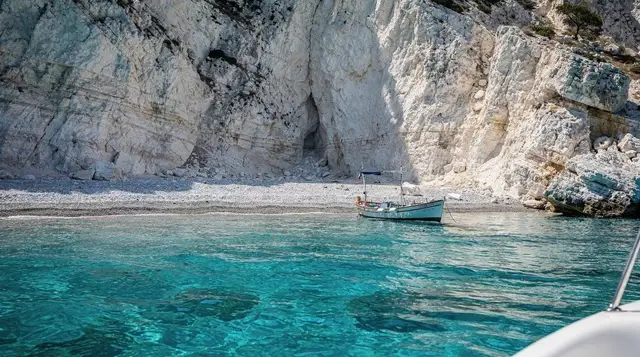
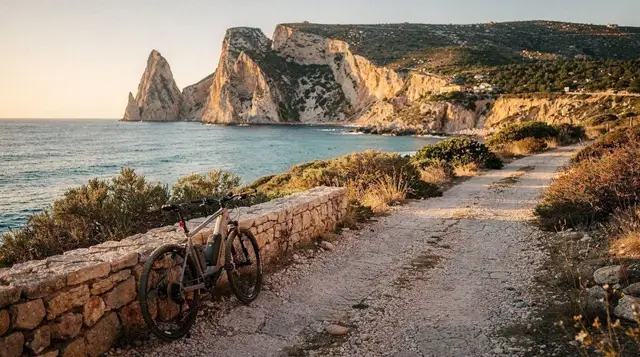
These are our own photographs of Sardinia, not the operator's pictures of this tour — open the tour page to see those.