| Where | Central-east coast, from Cala Gonone to Arbatax |
| Known for | 40km of roadless limestone coastline and the beaches inside it |
| Time needed | 3-5 days to see it properly from more than one direction |
| Cost | Boat trips from around €25-90; trekking tours from €69-150 |
| Best time | June or September; midsummer boats get busy and hiking is genuinely hot |
A coastline with no road, by design of the terrain
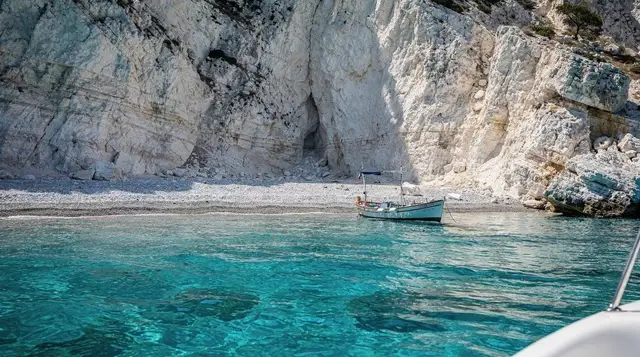
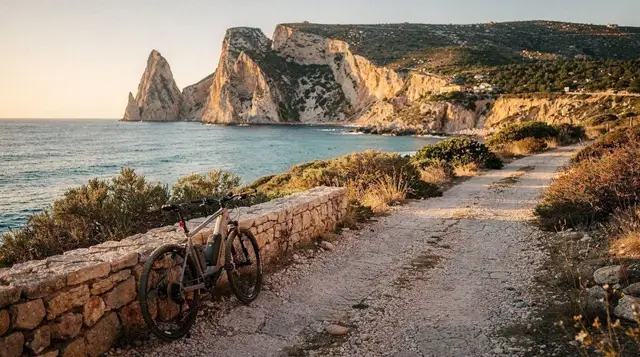
The Gulf of Orosei is the stretch of Sardinia’s east coast where the Supramonte massif meets the sea directly, its limestone cliffs dropping — in places sheer — straight into the water for roughly 40km between Cala Gonone in the north and the area around Arbatax in the south. No coastal road has ever been built along it, and the terrain makes clear why: this isn’t a planning failure, it’s genuinely some of the most rugged coastal geography in the Mediterranean, and building a road through it would have meant carving through cliffs that are, in several stretches, protected precisely because they’ve never been developed.
The upshot for visitors is that every one of the gulf’s celebrated beaches — Cala Luna, Cala Sisine, Cala Mariolu, Cala Goloritzé, Cala Biriola, and smaller unnamed coves between them — is reached only by boat or on foot, and the specific combination of access points and beaches you can reasonably combine depends heavily on where you start.
The two main access directions
From the north, Cala Gonone (part of Dorgali) is the busiest and best-equipped access point, with the widest range of boat departures reaching Cala Luna easily, Cala Sisine on longer trips, and — on the longest full-day excursions — as far south as Cala Mariolu and occasionally Cala Goloritzé. See our Cala Gonone destination page for the specifics of what’s reachable from there.
From the south, Arbatax and the villages around Baunei (including Santa Maria Navarrese) put you closer to Cala Goloritzé and Cala Mariolu, generally considered the gulf’s two most spectacular beaches, and this southern approach is where the balance shifts from boat-only access to boat-or-hike, since both beaches are also reachable on foot via demanding trails from the Golgo plateau above Baunei.
A boat tour from Arbatax to Cala Goloritzé and Cala Mariolu covers both signature beaches in a single day from the southern side, while a Gulf of Orosei day tour by boat from Arbatax offers a broader sweep of the coastline for those who want a fuller overview rather than committing the whole day to two stops.
Cala Goloritzé: the gulf’s most photographed beach
Cala Goloritzé is instantly recognisable by the limestone pinnacle (a natural rock spire, Punta Caroddi, also called the Aguglia) rising from the water at one end of the beach — a genuinely striking formation that’s become the single most reproduced image of the Sardinian coastline. It’s a UNESCO-recognised natural monument and access, like several of the gulf’s most fragile beaches, is capped and requires an advance reservation with a daily fee during the main season, alongside the usual island-wide ban on removing sand.
Reaching it by boat is straightforward from Arbatax or on longer trips from Cala Gonone. Reaching it on foot is a genuine hike — roughly 2 hours down from the Golgo plateau with real elevation loss (and the equivalent climb back up), including a section requiring careful footing on rock.
A Cala Goloritzé trekking tour with a guide is the recommended way to do the hike version, both for safety on the steeper sections and for the local knowledge a guide brings to the route. Our Cala Goloritzé guide and our dedicated hike to Cala Goloritzé guide cover both the boat and trekking approaches in full detail.
Cala Mariolu: pebbles instead of sand
Cala Mariolu sits a short distance from Cala Goloritzé and has a genuinely different character — small, rounded white and pink pebbles instead of sand, and water that shifts through startling shades of turquoise and deep blue depending on depth and light. It’s reached by the same boat routes that serve Cala Goloritzé, and the two are commonly combined on a single excursion. Our Cala Mariolu guide covers the beach’s access options and what makes the pebble composition here distinct from the sandier beaches further north in the gulf.
The Selvaggio Blu: the gulf on foot, properly
For hikers who want to experience the whole gulf rather than sampling individual beaches, the Selvaggio Blu is a multi-day trekking route (typically 5-7 days, though shorter sections are possible) tracing the coastline’s old goat and charcoal-burner paths, widely considered the most demanding trek in Italy, involving via ferrata-style sections, ropework, and genuine route-finding in remote terrain.
This isn’t a casual undertaking, and it requires proper preparation, ideally with a local guide unless you have serious multi-day trekking and scrambling experience. Our Selvaggio Blu trek guide covers what the route actually involves and how to prepare, and our Supramonte hiking guide covers shorter, less extreme alternatives in the same mountain range.
Cala Luna and the Bue Marino cave
At the gulf’s northern end, closest to Cala Gonone, Cala Luna and the Grotta del Bue Marino sea cave are the most accessible parts of the gulf for a shorter visit, reachable on a half-day boat trip rather than requiring a full-day commitment. A Gulf of Orosei boat trip with Cala Goloritzé from Cala Gonone is one of the longer options that pushes further south from this northern base, useful if you’re staying near Cala Gonone but still want to reach the gulf’s more southern highlights without relocating to Arbatax or Baunei.
Diving the gulf’s underwater terrain
The same cliffs that make the gulf inaccessible by road create genuinely excellent diving conditions below the waterline — steep walls, caves, and clear water throughout most of the season. A full-day diving trip in the Gulf of Orosei from Cala Gonone is the most established way to dive this coastline, typically covering two sites suited to certified divers. See our diving in Sardinia guide for certification requirements if you’re not already qualified.
How to plan a visit across the whole gulf
Because no single base reaches every part of the gulf easily, seeing it properly over several days usually means splitting time between a northern base (Cala Gonone or Dorgali) and a southern one (Arbatax, Santa Maria Navarrese, or Baunei), or committing to the Selvaggio Blu if you want to traverse it end to end on foot. Our east coast Sardinia 7-day itinerary sequences exactly this kind of split, and our Ogliastra destination page covers the wider region south of the gulf if you’re extending a trip that direction.
When to visit
| Season | Boat conditions | Hiking conditions |
|---|---|---|
| May-June | Good, sea still cool for swimming | Comfortable temperatures, ideal for Selvaggio Blu |
| July-August | Busiest, book ahead | Genuinely hot — early starts essential for any serious trek |
| September | Warm sea, quieter boats | Still good, a strong trade-off month |
| October-April | Most boat operators closed | Cala Goloritzé’s quota system typically lifts outside peak season |
Frequently asked questions about the Gulf of Orosei
Can I drive to any of the Gulf of Orosei’s beaches?
No — there is no coastal road anywhere along the gulf. Every beach is reached by boat or on foot via mountain and coastal trails.
Which is better, Cala Goloritzé or Cala Mariolu?
Both are genuinely excellent and commonly combined on the same boat trip. Cala Goloritzé has the more dramatic single feature (the rock pinnacle); Cala Mariolu has a distinctive pebble composition and equally striking water colour. Visit both if your schedule allows.
Do I need to book access to Cala Goloritzé in advance?
Yes, during the main season — it’s a capped, reservation-required beach similar to La Pelosa, reflecting its status as a protected natural monument.
Is the Selvaggio Blu suitable for average hikers?
No — it’s widely considered the most demanding trek in Italy, involving exposed scrambling and rope sections. It requires real preparation or a guide, not general hiking fitness alone.
Should I base myself in Cala Gonone or Arbatax to see the gulf?
It depends which beaches matter most. Cala Gonone gives easier access to Cala Luna, Cala Sisine, and the Bue Marino cave. Arbatax and Baunei give easier access to Cala Goloritzé and Cala Mariolu. Seeing the whole gulf properly usually means visiting from both directions.
How many days do I need to see the Gulf of Orosei properly?
Three to five days, split between a northern and southern base, covers the gulf’s main beaches without rushing. A single day from either end will only reach part of it.