Villasimius's beaches and the Capo Carbonara marine reserve
What's the best beach near Villasimius?
Spiaggia del Riso (Rice Beach), named for its rice-grain-sized white sand, and Punta Molentis, with its granite boulders and turquoise inlets, are the two most photographed. Notteri, backed by a pink-tinged lagoon, is the pick for calmer, family-friendly water.
Villasimius, on Sardinia’s southeastern tip, sits at the edge of the Capo Carbonara marine protected area, and that status is the reason its water is as clear as it is — fishing and anchoring restrictions around the cape have kept the seabed and its Posidonia meadows largely undisturbed. The town itself is a proper, well-equipped resort rather than a scattering of car parks, which makes it one of the more comfortable bases in southern Sardinia for a beach-focused stay of several days rather than a single day trip.
| Where | Southeastern tip of Sardinia, about an hour from Cagliari |
| Cost | Free beach access; sunbed hire €20-30/day for two where available |
| Time needed | A full day per beach, or 2-3 days to see the area properly |
| Getting there | Car via the SS125 from Cagliari; summer bus service to some beaches |
| Best time | June and September for space; year-round for diving in a wetsuit |
Spiaggia del Riso: rice-grain sand and turquoise shallows
Spiaggia del Riso — Rice Beach — takes its name from sand so fine and rounded it genuinely resembles grains of rice underfoot, a texture distinct from the coarser quartz found further up the west coast at Is Arutas. The bay is broad and shallow for a good distance from shore, making it one of the more forgiving swimming spots in the area, and it sits close enough to Villasimius town to reach on foot from central accommodation.
How Villasimius compares for a first-time visitor
For anyone deciding between Sardinia’s several excellent southeastern beach areas with limited time, Villasimius’s main advantage is variety concentrated in one place: three genuinely distinct beaches, a marine reserve with both snorkelling and diving on offer, and a proper town with year-round infrastructure, all within a compact area that doesn’t demand long drives between activities. That combination makes it a strong choice for a multi-day stay specifically, more so than for a rushed single-day visit where its range of options can’t be fully used.
Notteri: a lagoon, flamingos, and calm water
Notteri, just south of the town centre, is separated from a shallow coastal lagoon by a narrow sand spit, similar in structure to Chia’s Sa Colonia further west. The lagoon side attracts wading birds, occasionally including flamingos, while the sea side offers calm, current-free water that makes Notteri a reliable pick for families. It’s also the departure point for several of the boat trips heading out to Isola dei Cavoli and Punta Molentis.
The watchtower above Porto Giunco
Above Notteri and the neighbouring Porto Giunco inlet stands a sixteenth-century Spanish coastal watchtower, one of dozens built around Sardinia’s coastline to warn of Saracen raids during a period when the island’s shores were genuinely dangerous to live near. It’s a short, unshaded walk up from the beach, and the view from the top takes in Notteri’s lagoon, the open sea toward Isola dei Cavoli, and on a clear day the coastline stretching back toward Cagliari. The surrounding area functions as a protected oasis, part of why the lagoon below still attracts wading birds and occasional flamingos rather than having been built over the way similar spots have been elsewhere on the coast.
Snorkelling straight off the beach
Unlike some of Sardinia’s boat-only coves, several of Villasimius’s beaches offer worthwhile snorkelling directly from the shore, without a boat trip needed at all. The rocky edges of Spiaggia del Riso and the boulder-strewn shallows at Punta Molentis both hold small fish and occasional octopus within easy swimming distance of the sand, a direct benefit of the marine reserve’s fishing restrictions extending close to shore rather than only around the offshore islands. It’s a meaningful advantage for visitors without their own snorkelling gear or the budget for a boat trip on every day of a longer stay — a mask and snorkel bought or rented locally covers a genuinely interesting hour or two without further cost.
Punta Molentis: granite boulders and a striking inlet
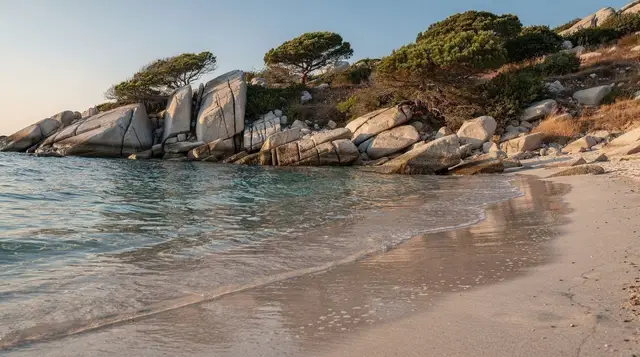
Punta Molentis, a short drive east of town, is built around pink-granite boulders that frame a narrow turquoise inlet, considered by many repeat visitors the single most photogenic spot in the Villasimius area. The approach involves a short walk from the car park across low dunes, and the beach itself is smaller than Spiaggia del Riso or Notteri, filling up correspondingly faster in peak season.
Isola dei Cavoli and the boat-trip beaches
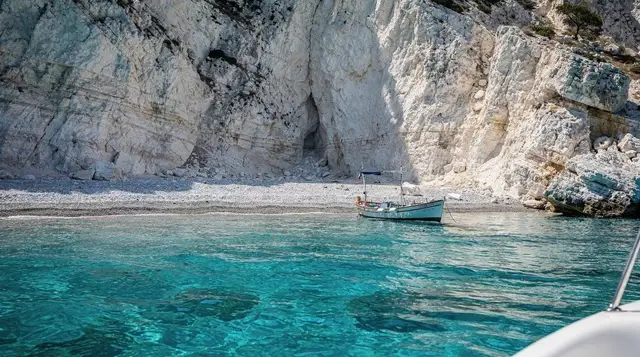
Offshore, Isola dei Cavoli anchors the Capo Carbonara marine reserve and is a common target for half-day boat trips that combine a landing (where permitted) with snorkelling stops around its clearer water. A dedicated boat trip covers both the island and Punta Molentis’s coastline from the sea, seeing the granite formations from an angle the beach itself doesn’t offer:
Isola dei Cavoli and Punta Molentis boat trip from VillasimiusFor visitors wanting a broader look at the whole marine reserve with snorkelling built in, a Capo Carbonara boat and snorkelling tour covers the cape’s coastline more comprehensively:
Capo Carbonara boat and snorkelling tour from VillasimiusFor a day that strings Villasimius’s beaches together with the nearby Solanas coastline in one guided outing from Cagliari, a full-day beach tour handles the logistics:
Villasimius and Solanas beaches tour from CagliariDiving in the marine reserve
Capo Carbonara’s protected status makes it one of the better diving areas in southern Sardinia, with visibility and marine life noticeably richer than unprotected stretches of coast nearby. A discover scuba diving session is a straightforward, low-commitment way for non-certified visitors to try it with an instructor:
Discover scuba diving in Capo Carbonara, VillasimiusSee diving in Villasimius and Capo Carbonara for certified-diver routes, wreck sites and the area’s wider dive-centre options.
How Capo Carbonara’s protection changed the coastline
Capo Carbonara was designated a marine protected area in the late 1990s, restricting fishing, anchoring and boat speeds across zones of varying strictness around the cape, Isola dei Cavoli and Serpentara. That protection is the direct reason the water around Villasimius reads noticeably clearer than unprotected stretches of coast further along the southeast, and why Posidonia meadows — a slow-growing seagrass that acts as a nursery for much of the Mediterranean’s marine life — have recovered here in a way they haven’t everywhere. Local dive operators and fishermen alike generally credit the reserve’s rules, unpopular with some when first introduced, for the area’s now-strong reputation among both divers and casual snorkellers.
Villasimius town itself, beyond the beaches
Villasimius grew from a modest agricultural and fishing settlement into one of southern Sardinia’s most established resort towns over the second half of the twentieth century, and unlike some purpose-built resort areas, it retains a genuine town centre with year-round residents, a proper market, and a range of restaurants that don’t shut down the moment the summer season ends.
A small archaeological museum in the town centre covers the area’s nuragic and Punic history, worth an hour for visitors taking a break from the beach during the hottest part of the day. Sardinian food and wine and culture and history guides cover the wider south-coast picture for a longer stay based here.
Sailing and windier days
When the wind picks up — a regular occurrence on this exposed southeastern tip of the island — Villasimius’s marina becomes a hub for sailing rather than the calmer motorboat trips that dominate on flat-calm days. Several operators offer sunset sails with aperitif service, a lower-key alternative to a full-day boat excursion that works especially well on evenings when the breeze that made the daytime beaches choppier turns into ideal sailing conditions. It’s worth checking wind forecasts before committing to a specific boat activity for a given day, since Villasimius’s exposed position means conditions here can differ noticeably from the more sheltered Gulf of Orosei or Costa Smeralda on the same date.
Getting there and parking
Villasimius is roughly an hour’s drive from Cagliari via the SS125, a road that’s faster than most of Sardinia’s coast roads but still subject to the island’s realistic 60km/h average once past the outskirts of the city. Each beach has its own car park, generally larger and better organised than at the smaller single-cove beaches further west, though Punta Molentis’s more limited capacity is worth planning around specifically. A summer bus service connects the town to some of the closer beaches; see renting a car in Sardinia for the practicalities of covering the wider area independently.
Practical costs beyond the beach itself
Beyond sunbed hire, most costs in Villasimius are comparable to the rest of southern Sardinia rather than inflated the way Costa Smeralda pricing can be: a simple seafood lunch typically runs €15-25 per person, a boat trip to Isola dei Cavoli and Punta Molentis somewhere in the €40-70 range depending on duration and group size, and a discover scuba dive session around €70-100 including equipment. Fuel and parking add modest additional costs for anyone self-driving between the three beaches over several days, though none of the car parks here charge as much as the more constrained lots at Tuerredda or Punta Molentis’ smaller neighbours further along the coast.
Comparing Villasimius with Chia and Costa Rei
Villasimius, Chia and Costa Rei are the three most-visited beach areas in southern Sardinia, and each has a slightly different feel: Villasimius offers the widest range of on-water activities thanks to the marine reserve, Chia has the most dramatic dune scenery, and Costa Rei has the longest continuous stretch of open sand. Best beaches in south Sardinia compares all three directly for visitors trying to choose a base.
A realistic day plan
Start at Spiaggia del Riso in the morning while the light is good and the car park still has space, then move to Notteri for calmer water around midday, particularly with children in tow. Afternoon is the time for a boat trip out to Isola dei Cavoli or Capo Carbonara if that’s part of the plan, since sea conditions and light both tend to be more favourable earlier in the day for photography, though operators run trips throughout daylight hours. Save Punta Molentis for either an early start on a separate day or a late-afternoon visit once its smaller car park has thinned out, rather than trying to fit it into the same day as the other two beaches during peak hours.
Where to stay
Villasimius town itself is the obvious base, walkable to Spiaggia del Riso and close to Notteri, with a good range of hotels and apartments for a stay of several days. Staying locally rather than day-tripping from Cagliari makes a real difference here specifically, since the area’s main appeal — boat trips, diving and several distinct beaches — genuinely rewards more than a single day. Where to stay in Sardinia covers the wider accommodation picture for a longer south-coast itinerary that combines Villasimius with Cagliari or Chia.
When to go
June and September remain the sweet spot for warm water without August’s crowding, though Villasimius’s larger beaches and better infrastructure mean it copes with peak season more comfortably than smaller beaches further along the coast. Diving is viable for much of the year in a wetsuit, extending the area’s useful season beyond the classic May-October swimming window. See best time to visit Sardinia for the island-wide picture.
Frequently asked questions about Villasimius’s beaches
Which Villasimius beach is best for children?
Notteri, thanks to its calm, lagoon-sheltered water and gentle entry, similar in character to Chia’s Sa Colonia further along the coast.
Can I land on Isola dei Cavoli?
Access is restricted and regulated as part of the marine reserve; some boat tours include a stop there, but check the specific itinerary before booking if it’s a priority.
Is Villasimius good for diving without certification?
Yes, discover scuba diving sessions with an instructor are widely available and don’t require prior certification, covering shallower sites within Capo Carbonara.
How far is Villasimius from Cagliari?
About an hour’s drive via the SS125, making it a realistic day trip from Cagliari as well as a standalone base for a longer stay.
Is Punta Molentis worth the extra drive?
Most visitors say yes — its granite boulders and turquoise inlet are considered among the most distinctive scenery on this stretch of coast, though it’s smaller and fills up faster than Villasimius’s other beaches.
What’s the best month for calm seas and diving visibility?
Late spring and early autumn typically bring calmer conditions than the windier midsummer weeks, alongside noticeably fewer boats in the water.
Is Villasimius expensive compared to other south-coast beach towns?
It sits in the middle of the range — pricier than smaller, less developed spots but noticeably less expensive than the Costa Smeralda, reflecting its status as an established but not ultra-luxury resort town.
How many beaches are there around Villasimius in total?
Beyond the three covered here, several smaller coves dot the coastline toward Costa Rei and around the cape itself, though Spiaggia del Riso, Notteri and Punta Molentis remain the three most visited and best set up for a first-time visitor.
Beach & coastal tours on GetYourGuide
Verified deep-linked GetYourGuide tours. Book through these links and we earn a small commission at no cost to you.
These are our own photographs of Sardinia, not the operator's pictures of this tour — open the tour page to see those.