Best time to visit Sardinia
What is the best time to visit Sardinia?
Late May to mid-June and September are the strongest overall choices — warm enough to swim, far fewer crowds and lower prices than July and August, and every restaurant and beach club still open. July and August have the warmest sea but the highest prices and the worst traffic on coastal roads.
There is no single best month — there’s a best trade-off
Sardinia’s swimming season runs roughly from May to October, but “when should I go” really has three separate answers depending on what matters most: warmest sea, lowest prices, or fewest people. Those three peaks don’t line up. The sea is warmest in August, when prices and crowds are also at their absolute worst; it’s still swimmable but noticeably cooler in May and October, when both prices and crowds are at their best.
Most seasoned visitors end up picking one of the shoulder windows — late May into June, or September into early October — precisely because they get 80% of peak-season warmth for a fraction of the cost and none of the parking fights at quota beaches like La Pelosa or Cala Goloritzé.
| Month | Sea temp | Crowds | Prices | Verdict |
|---|---|---|---|---|
| April | 16-17°C | Low | Low | Too cold to swim for most people |
| May | 19-21°C | Low-medium | Low-medium | Strong month, see Sardinia in May |
| June | 22-24°C | Medium | Medium | Excellent all-round, see Sardinia in June |
| July | 25-26°C | High | High | Warm but crowded and expensive |
| August | 26-27°C | Very high | Very high | Peak everything, see Sardinia in July and August |
| September | 24-25°C | Medium | Medium | Best overall balance, see Sardinia in September |
| October | 21-22°C | Low | Low | Warm early, quiet, see Sardinia in October |
| November-March | 13-16°C | Very low | Low | Interior and towns only, see Sardinia in winter |
May and June: the shoulder season most people underrate
Late May through June is arguably Sardinia’s best-kept secret. The sea is swimmable from mid-May onwards in sheltered bays and reliably warm by June, wildflowers are still out across the interior, and every beach club, boat operator and restaurant is open without the July crowding. Quota beaches like Tuerredda and Cala Mariolu are far easier to book in this window, and hire-car prices sit well below their August peak.
The one trade-off is variability — a cool front can still drop temperatures for a few days in May, so pack layers for evenings even if daytime highs suggest a full summer wardrobe. Full detail on what to expect week by week is in our dedicated Sardinia in May and Sardinia in June guides.
Boat trips run at close to full summer frequency by June without the July booking scramble. The catamaran cruise and sailing day trip from Alghero is a good way to test the water — literally — before committing to a full beach day, and June sailings rarely sell out the way August ones do.
July and August: warmest sea, worst logistics
This is peak season in every sense. Sea temperatures hit their yearly high, festivals like Sant’Efisio’s echo and the Cavalcata Sarda draw huge crowds, and the entire coast — especially the Costa Smeralda and the south around Villasimius — runs at full capacity. It’s also when accommodation prices roughly double compared to June, hire cars are hardest to find, and the SS131 and coastal roads see genuine holiday traffic, which matters given the island’s roughly 60km/h average driving speed away from the dual carriageway.
Quota beaches sell out their daily bookings days in advance in August specifically. None of this means avoid it entirely — some travellers only have these weeks free, and the island absolutely works in August with enough advance planning — but go in with realistic expectations, covered in full in Sardinia in July and August and in our August survival guide.
September: the month most repeat visitors choose
If pressed for a single best month, most people who’ve done Sardinia more than once will say September. The sea holds its summer warmth well into the month, the worst of the crowds thin out by the second week, prices drop noticeably from August, and the light in the late afternoon is some of the best of the year for photography. Restaurants and beach clubs mostly stay open through the month, unlike October when seasonal closures start in earnest. Our Sardinia in September guide covers this in detail, and it’s also prime time for the wine harvest inland if food and wine are part of the trip.
The sunset sailing and aperitif experience from Alghero is particularly good in September, when the evening light is softer and the boat isn’t sharing anchorage with a dozen others the way it can in August.
October and beyond: still warm, mostly quiet
Early October is genuinely underrated — the sea is still around 21-22°C, which most people find perfectly swimmable, and the crowds have almost entirely gone. The catch is that seasonal businesses start closing through the month, particularly on the east coast and around smaller resort towns, so it suits travellers who want beaches and towns over nightlife and beach-club culture.
By November the swimming season is effectively over for most visitors, though the interior — Barbagia, the Gennargentu — stays interesting year-round, and Cagliari and Alghero keep functioning as normal cities regardless of season. See Sardinia in October and Sardinia in winter for what’s realistically open in each.
Sea temperature and swimming: what the numbers actually mean
Sardinia’s sea reaches its peak temperature with a lag behind air temperature — the warmest sea of the year is typically in August, even though the hottest air days often land in July. That lag also works in the other direction in autumn: the sea in early October is often warmer than the air temperature alone would suggest, which is why the shoulder season swims better than the calendar implies. Our shoulder season swimming guide has actual month-by-month sea temperature ranges if that’s the deciding factor for your dates.
Public holidays and busy weekends to plan around
Beyond the big festivals, a handful of Italian public holidays add short but noticeable spikes in domestic travel to and within Sardinia — Easter weekend, the Liberation Day and Labour Day bridge at the end of April and start of May, and the mid-August Ferragosto week around 15 August all see Italian visitors travelling in larger numbers than a normal weekend, on top of the international summer crowd. None of these make the island unmanageable, but hire cars and popular restaurants book up faster around these specific dates, and it’s worth checking the calendar for the year you’re travelling before assuming a given week is a quiet one.
Wind: the factor most itineraries ignore
The mistral (from the north-west) and the more localised scirocco and tramontana winds affect Sardinia far more than most first-time visitors expect, particularly for boat trips and for beaches on exposed coasts. Spring and autumn see the most wind days, which can cancel Gulf of Orosei boat trips and Costa Smeralda catamaran sailings with little notice. It rarely ruins a trip, but it’s worth checking a real forecast rather than a seasonal average before booking boat-dependent days — our mistral wind guide explains how to read one.
Festivals worth timing a trip around
A handful of dates are worth building an itinerary around rather than working around: Sant’Efisio in Cagliari on 1 May is one of Italy’s largest religious processions, the Cavalcata Sarda in Sassari in May brings costumed riders from across the island, and the Sartiglia in Oristano during carnival is a genuinely spectacular equestrian event. Nuoro’s Redentore festival in late August and Sassari’s Faradda di li candareri on 14 August both draw serious local crowds rather than tourists. Full dates and what to expect at each are in our festivals calendar, carnival guide and spring festivals roundup.
Rainfall through the year
Sardinia’s rain falls overwhelmingly outside the summer months — June through August see very little, often just a handful of days with any measurable rain across the whole three months, while November and December are the wettest, with real rainy spells lasting several days at a time. Spring carries a moderate, unpredictable chance of rain that thins out through May, and autumn stays largely dry through September before rainfall picks up again from mid-October onward. This matters less for a beach-focused summer trip than it does for anyone planning hiking, archaeology or a road trip through the interior outside the June-to-September window, where a wet-weather backup plan is worth having.
Matching the season to your kind of trip
A beach-first trip should aim for June or September over the July-August peak unless those are the only weeks available. A trip built around hiking, archaeology or the interior works well almost any time from April to October and is actively more pleasant outside the summer heat — the Selvaggio Blu trek and most Supramonte hikes are genuinely hard going in the August midday sun.
Food and wine trips do best in September and October, aligning with harvest season and the return of quieter restaurants. Boat trips along the Gulf of Orosei run their fullest schedule from June to September and thin out sharply either side, so check the Gulf of Orosei day tour from Arbatax operator’s calendar directly if you’re travelling in the shoulder months.
Regional differences: the same month, different weather
Sardinia isn’t climatically uniform, and the same month can feel different depending which coast you’re on. Gallura and the Costa Smeralda in the north-east catch more wind on average than the south, which keeps summer heat more bearable but also means a slightly higher chance of a cancelled boat trip in shoulder months. The south around Cagliari tends to run a degree or two warmer in spring and autumn than the north, stretching its comfortable swimming window a little further into October in a mild year.
The west coast around Oristano sees less rainfall on average than the north-west, and the interior around Nuoro and the Gennargentu runs cooler year-round simply from altitude, with genuinely cold winters at higher elevations. None of this changes the broad seasonal pattern, but it’s worth weighing if your trip is anchored to one region rather than a full circuit — see our north versus south Sardinia comparison for more detail.
Light and photography by season
The quality of light shifts noticeably through the year in ways that matter if photography is part of the trip. Summer’s high, hard midday sun tends to bleach out colour and flatten landscape shots, which is why photographers favour the early morning and the last two hours before sunset even in July and August. Spring and, especially, autumn bring a softer, more angled light for most of the day, and September’s late-afternoon light in particular has a warmth that’s hard to replicate at other times of year. Our Sardinia photography spots guide has specific locations and the best times of day to shoot each of them, cross-referenced against season.
A season-by-season packing and planning checklist
Spring (April-May) calls for layers — a warm afternoon can follow a genuinely cool morning, and rain is still a realistic possibility, particularly earlier in the window. Early summer (June) is close to ideal packing-wise: light clothing, a single warmer layer for evenings, and swimwear that will get real use from the first week. High summer (July-August) needs sun protection taken seriously — a proper hat and reef-safe sunscreen, given how much time is likely spent outdoors in strong midday sun — plus something for the evening breeze on boat trips.
Autumn (September-October) mirrors spring’s layering approach but with a much lower chance of rain through September specifically, tightening again by late October. Winter (November-March) genuinely needs a proper coat inland and around the higher parts of the interior, where temperatures can approach freezing overnight in the coldest weeks.
Comparing Sardinia’s calendar to nearby destinations
Travellers weighing Sardinia against a Corsican or Sicilian trip in the same window will find the three islands behave fairly similarly through the swimming season, though Sardinia’s shoulder months arguably reward flexibility more than Sicily’s, given how much of the island’s specific appeal — quota beaches, boat access to the Gulf of Orosei, quieter interior hiking — depends on avoiding the August peak. If a wider Mediterranean itinerary is on the table, our Sardinia and Corsica two-island trip guide covers how the two islands’ seasons align for a combined visit.
Frequently asked questions about Sardinia’s seasons
What is the cheapest time to visit Sardinia?
November to March has the lowest prices island-wide but the fewest open beach businesses; among swimming months, May and October are the cheapest. Full numbers are in cheapest time to visit Sardinia.
Is Sardinia too hot to visit in August?
Air temperatures regularly reach the low 30s°C in August, which some visitors find uncomfortable for hiking or midday sightseeing, though beach days and evenings remain very pleasant. See our July and August guide for how to plan around the heat.
When does the swimming season actually start and end?
Late April to early May for hardier swimmers in sheltered bays, reliably from mid-May for most people, running through to mid-to-late October in a mild year. See shoulder season swimming for month-by-month sea temperatures.
Is Sardinia worth visiting in winter?
For beaches and boat trips, no — most seasonal businesses close. For the interior, archaeology, food and Cagliari or Alghero as cities, yes; see Sardinia in winter and Sardinia at Christmas.
What month has the best weather-to-crowd ratio?
September, by most experienced visitors’ judgement — warm sea, thinning crowds by mid-month, and prices meaningfully below August. See Sardinia in September.
Does the weather differ much between the north and south of the island?
Not dramatically in summer, though the north (Gallura, Costa Smeralda) tends to catch more wind, while the south around Cagliari often runs a degree or two warmer in spring and autumn. Our north versus south Sardinia comparison covers the practical differences.
Should I avoid Sardinia during festival weeks if I don’t want crowds?
Not necessarily avoid, but plan around them — Sant’Efisio (1 May) and Redentore (late August) fill Cagliari and Nuoro respectively with visitors well beyond normal tourist numbers. Booking accommodation early or simply being aware of the dates is usually enough.
Seasonal experiences on GetYourGuide
Verified deep-linked GetYourGuide tours. Book through these links and we earn a small commission at no cost to you.
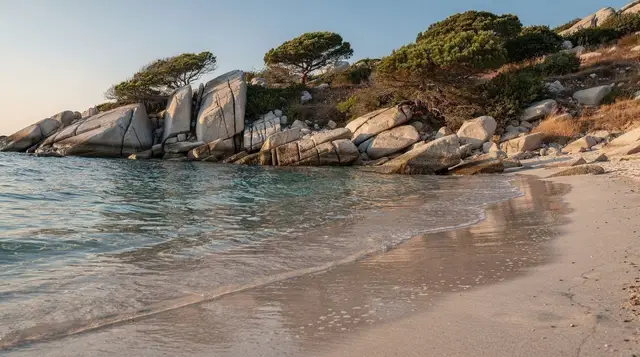
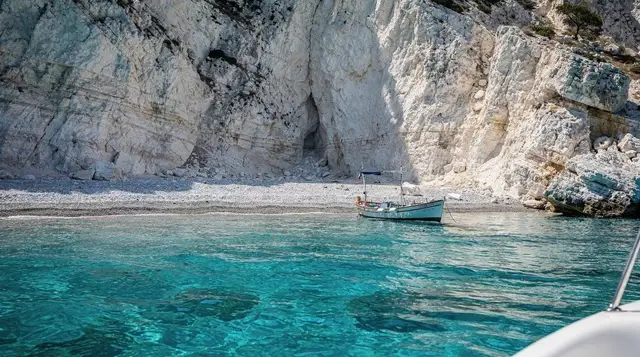
These are our own photographs of Sardinia, not the operator's pictures of this tour — open the tour page to see those.