Bue Marino cave near Cala Gonone, boat trip and guided walk
How do you get to the Bue Marino cave?
Almost everyone arrives by boat from Cala Gonone's harbour, a 35-40 minute crossing along the Gulf of Orosei's limestone coast. A rough coastal path also reaches the cave on foot, but it's a demanding, largely unsigned route better suited to experienced hikers than casual visitors.
The Grotta del Bue Marino takes its name from the Mediterranean monk seal — bue marino, literally “sea ox” in Sardinian dialect — that used the cave’s inner pools as a breeding site until hunting and disturbance drove the last individuals away in the twentieth century. The seals are gone, but the cave itself, cut into the limestone coast just south of Cala Gonone in the Gulf of Orosei, remains one of the most-visited natural sites on this stretch of coastline, and one of the very few Gulf of Orosei attractions reachable without hiking or a full day’s boat charter.
| Where | Coast south of Cala Gonone, Gulf of Orosei |
| Access | By boat from Cala Gonone harbour, 35-40 minutes each way |
| Guided walk inside | Roughly 1km of walkable galleries, about an hour with a guide |
| Ticket | Cave entry around €8-10 adult, plus the boat fare |
| Season | Boats run roughly May-October; check for reduced winter schedules |
Getting there by boat
Boats leave Cala Gonone’s harbour on a fairly regular schedule through the season, following the same dramatic limestone coastline used by the boat trips heading further south to Cala Luna, Cala Mariolu and Cala Goloritzé — worth knowing if you’re deciding whether to combine the cave with a beach stop on the same trip. A dedicated cave ticket, combining the boat and the guided walk inside, is the simplest way to see it without organising the two separately:
Bue Marino cave guided tour with entry ticket, from Cala GononeSeveral operators run the boat crossing as a standalone trip, useful if you’d rather book the water transport and cave entry as separate line items, or if you’re combining the cave with other stops along the coast on the same outing:
Boat trip to Bue Marino cave from Cala GononeA dedicated transfer service also runs for visitors who’ve already got a cave ticket sorted and just need the boat leg covered:
Boat transfer to the Bue Marino caves from Cala GononeWhat’s inside
Once the boat docks, a guide leads groups along roughly a kilometre of walkable, lit galleries — a fraction of the full cave system, which extends much further and is only accessible to speleologists with permits. Expect stalactite and stalagmite formations built up over tens of thousands of years, underground pools (some of which the monk seals once used), and, in wetter sections, still-active dripstone formations you can watch forming in real time. The walk takes roughly an hour at guided pace, cooler than the boat ride outside (the cave sits at a constant, mild temperature year-round), and finishes back at the dock for the return crossing.
The monk seal’s disappearance from Sardinian waters
The Mediterranean monk seal was still a genuine, if declining, presence along this coast into the twentieth century, using the Bue Marino cave’s sheltered inner pools as a pupping and resting site away from human disturbance. Hunting for fur and blubber, disturbance from growing fishing activity, and later the arrival of tourism combined to push the population to local extinction here by roughly the mid-twentieth century, mirroring a broader collapse across the Mediterranean that has left the species endangered basin-wide, with the largest remaining populations now concentrated around the eastern Mediterranean and parts of the Atlantic coast of Africa.
Sardinian conservationists still occasionally report unconfirmed sightings along remote stretches of the Gulf of Orosei coastline, though nothing has been verified as a resident population returning to the cave itself. Guides typically cover this history early in the tour, and it adds a genuinely reflective note to what’s otherwise a straightforward geological visit — a reminder of how recently, in ecological terms, this coastline supported a very different marine ecosystem.
What the boat ride itself is like
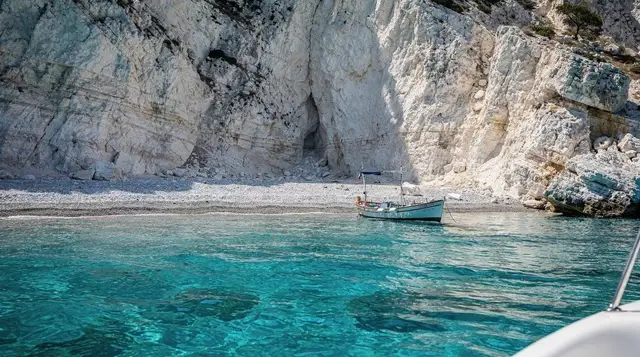
The 35-40 minute crossing from Cala Gonone follows one of the most dramatic stretches of coastline in Sardinia, close enough inshore to see the layered limestone cliffs rising directly from the water, with occasional glimpses of smaller, inaccessible coves that no path reaches.
Boats are generally open or partially covered rather than fully enclosed, so expect spray on a breezier day and strong sun exposure on a calm one — sunscreen and a hat are worth applying before boarding rather than partway through the crossing. Most operators narrate the coastline as you pass, pointing out notable rock formations and the entrances to other, non-visitable caves along the route, which makes the crossing itself feel like part of the tour rather than simply transport to it.
The rough coastal path alternative
A coastal footpath connects Cala Gonone to the cave on foot, but it’s a demanding, exposed, largely unmarked route across loose limestone terrain that most visitors shouldn’t attempt without local knowledge or a guide — this isn’t a casual coastal stroll, and getting it wrong on a hot day with no shade and no easy retreat is a real risk. Unless you specifically want a hiking challenge and know the terrain, the boat is the sensible way in for the vast majority of visitors, and it’s also simply faster: 35-40 minutes by boat against several hours of demanding walking each way on foot.
Combining the cave with the rest of the Gulf of Orosei
Cala Gonone functions as the main gateway to this entire stretch of coast, and most visitors doing the Bue Marino cave are also weighing up the beach-focused boat trips covered in Gulf of Orosei boat trips. If you’d rather explore independently at your own pace once you’re offshore, a self-drive dinghy rental covers a shorter stretch of coastline without a fixed itinerary, though the cave itself still requires the official guided entry:
Six-metre dinghy rental for exploring the coast from Cala GononeFor inland alternatives in the same limestone landscape, the Gola su Gorropu hike and Ispinigoli cave near Dorgali sit within easy reach of Cala Gonone and Dorgali, and day trips from Cala Gonone covers how to fit several of these into one base.
Diving and snorkelling near the cave entrance
The water around the Bue Marino cave entrance and the surrounding stretch of Gulf of Orosei coastline is part of the same protected marine environment that draws divers to Cala Gonone more broadly, and several dive operators run trips that combine underwater exploration of the cliffs and submerged rock formations near the cave with the more typical Gulf of Orosei dive sites further along the coast.
Diving in Sardinia covers the island-wide picture, but this particular stretch is known for clear visibility and dramatic underwater topography that mirrors what’s visible above the waterline — steep limestone walls continuing down well past recreational diving depth in places. Snorkellers without diving certification can get a taste of the same clarity closer to the harbour itself, without needing a boat trip specifically to the cave.
Weather and rough-sea contingencies
Because every route to the cave depends on the boat crossing, it’s worth understanding what happens when the sea doesn’t cooperate. The maestrale and other strong northwesterly winds that periodically sweep this coast can make the crossing uncomfortable or unsafe well before conditions look obviously dangerous from the harbour itself, and operators generally err on the side of caution rather than risk a rough crossing for tourist trips.
If your booked departure is cancelled, most operators offer rebooking for the same trip on a later date within your stay rather than a straightforward refund, so it’s worth checking this policy at the time of booking if your schedule is tight. Building a spare day into a Cala Gonone stay, rather than treating the cave as a single fixed appointment, is the simplest way to avoid disappointment if you’re visiting outside the most settled summer weeks.
Cost breakdown for a full visit
A combined boat-and-cave ticket typically runs €25-35 per adult, somewhat less for children, covering both the crossing and the guided walk inside; booking the boat and cave entry separately through a standalone crossing plus on-site ticket can occasionally work out marginally cheaper but adds planning complexity most visitors don’t find worthwhile.
Add on the cost of a taxi or short drive to Cala Gonone’s harbour if you’re not already staying in town, and food or drink either before departure or after return, since nothing is available once you’re on the water. For a family of four, budget somewhere around €100-140 for the full outing including the combined ticket, roughly comparable to the equivalent visit at Neptune’s Grotto once the boat option there is factored in.
Getting there
Cala Gonone is the base for every boat departure to the cave, roughly a 30-40 minute drive from Dorgali on the coast road, itself connected to the SS125 that runs the length of the east coast. Driving in Sardinia and renting a car in Sardinia cover the practicalities if you’re arriving without your own transport already arranged; there’s no rail or reliable bus link direct to the harbour from outside the immediate area.
Accessibility for visitors with mobility limitations
The Bue Marino cave visit isn’t wheelchair accessible, and anyone with significant mobility limitations should think carefully before booking. The boat itself typically requires stepping down from a fixed jetty onto a moving deck, a manageable but real obstacle without assistance from crew, who generally help where they can but aren’t equipped for a full transfer. Inside the cave, the guided walkway crosses roughly a kilometre of uneven, sometimes damp natural rock, with handrails on the steeper or narrower sections but no smooth, level surface throughout.
Visitors using a cane or with limited stamina can usually manage the walk at a slower pace if they mention this to the guide beforehand, since groups can be paced to the slowest member within reason. For visitors using a wheelchair or unable to manage uneven ground and boat steps at all, this isn’t currently a realistic option, and there’s no dedicated accessible route either by boat or on the coastal path alternative.
Frequently asked questions about the Bue Marino cave
How long is the full outing, door to door?
Budget half a day: roughly 35-40 minutes each way by boat, an hour inside the cave with the guide, plus time at the harbour before and after.
Is the cave suitable for people who don’t like enclosed spaces?
The walkable sections are generally spacious and well lit, not the crawling, narrow passages associated with caving proper, but anyone with significant claustrophobia should mention it when booking so the guide can advise.
Are there still monk seals in the cave?
No — the Mediterranean monk seal population that once used the cave was driven out by hunting and disturbance decades ago, and none remain in Sardinian waters today. The name persists as a reminder of what the cave once sheltered.
Can you combine the cave visit with a Cala Luna beach stop?
Yes — several boat operators run combined itineraries covering both the cave and Cala Luna beach in one trip; check the specific tour description for what’s included before booking.
Is the cave floor wet or slippery?
Sections near the underground pools and the boat landing point stay damp, and the walkway, while maintained, can be slick; closed shoes with decent grip are a sensible choice over sandals.
How far in advance should I book in August?
At least a few days ahead, and ideally a week or more for a specific morning departure, since August sees the highest demand of the year and popular sailing times sell out; walk-up availability exists but isn’t guaranteed for your preferred slot.
What should I bring?
Comfortable shoes for the guided walk (the cave floor is uneven in places), a light layer for the cooler interior, and sun protection for the boat crossing itself.
Is the cave open all year?
Boat access is largely restricted to the warmer season, roughly May to October, since the crossing depends on manageable sea conditions; outside that window, check directly with operators for reduced or suspended schedules.
Do monk seals still live in the cave?
No confirmed resident population remains; the species was pushed to local extinction along this coast by the mid-twentieth century through hunting and disturbance, and only occasional unverified sightings are reported today.
Is the boat ride rough?
Conditions vary, but the route generally stays close to sheltered coastline; on windier days the crossing can be choppier, and operators will postpone or cancel outright if conditions are genuinely unsafe rather than just mildly uncomfortable.
Can you swim near the cave entrance after the tour?
Some boat trips build in a swim stop at a nearby cove either before or after the cave visit; check the specific tour description, since not all itineraries include this and timings vary by operator.
Beach & coastal tours on GetYourGuide
Verified deep-linked GetYourGuide tours. Book through these links and we earn a small commission at no cost to you.
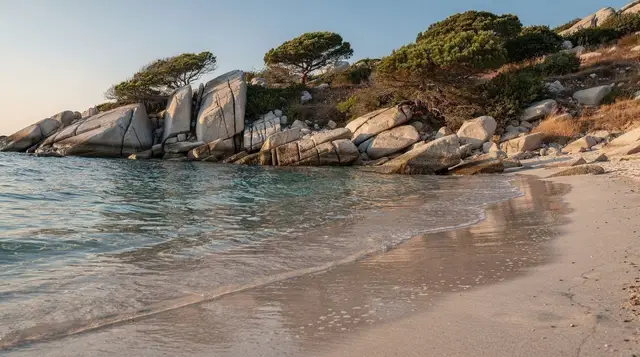
These are our own photographs of Sardinia, not the operator's pictures of this tour — open the tour page to see those.