| Where | East coast interior, 20 minutes inland from Cala Gonone |
| Known for | Cannonau wine, leather and coral crafts, Gorropu canyon, Tiscali |
| Time needed | A full day for the town and a winery; 1-2 more days for serious hiking |
| Cost | Wine tastings from around €64; guided hikes from €69-150 depending on length |
| Best time | April-May or September-October for hiking; any season for wine |
The town behind the coast
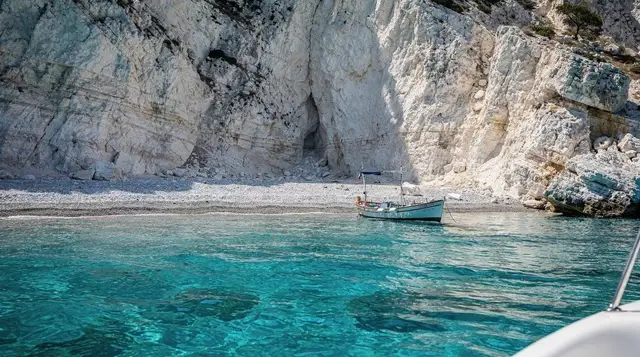
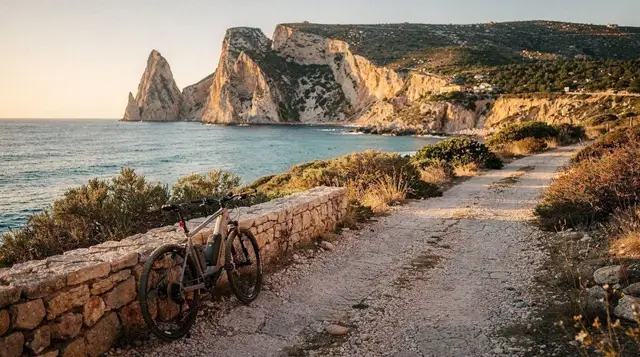
Dorgali sits inland at the foot of the Supramonte, the limestone massif that gives this whole stretch of Sardinia’s east coast its dramatic, canyon-cut character, and it’s easy to drive straight through on the way down to Cala Gonone without stopping — a mistake, given what the town actually offers. This is one of the more genuine centres of traditional Sardinian craft production still operating at real scale: leatherwork, filigree jewellery, and — most distinctively — Cannonau wine from vineyards planted on the limestone slopes just outside town, producing some of the more highly regarded examples of Sardinia’s signature red grape.
The town itself is unpretentious rather than picturesque, a working agricultural and craft centre rather than a place styled for tourism, and that’s largely to its credit — the wineries and workshops here serve a real local economy, not a performance for visitors passing through.
Cannonau: Dorgali’s specific claim
Cannonau di Sardegna is the island’s flagship red grape, grown across much of Sardinia, but the version produced around Dorgali (within the officially recognised Cannonau di Sardegna Classico subzone) is considered among the most structured and age-worthy on the island, benefiting from the specific combination of limestone soils and Supramonte-moderated microclimate found nowhere else in quite the same way.
A wine experience in the heart of the Cannonau Classica area takes you directly into the vineyards that produce this specific style, with tasting typically included alongside an explanation of what sets Classica-zone Cannonau apart from the grape grown elsewhere on the island.
For a more standard winery visit closer to town, a Dorgali winery tour with tasting and local guide covers the production process alongside a tasting, a good introduction if you’re not already familiar with Cannonau specifically. Our Cannonau wine guide covers the grape across the island more broadly, and our wine tours in Sardinia guide compares Dorgali against other wine regions if you’re planning a broader tasting route.
Gorropu: Europe’s deepest canyon
Gola su Gorropu, a limestone gorge with walls rising up to 500 metres in places, is genuinely one of the most dramatic hiking destinations in Sardinia and is often described as the deepest canyon in Europe, depending on exactly how the measurement is taken. Reaching the canyon floor from the Dorgali side involves a real hike — typically 3-4 hours round trip on the standard route, with rougher, longer options for those continuing further into the gorge — over uneven, sometimes exposed terrain that demands proper footwear and a reasonable fitness level, not a casual stroll.
A trek to Gorropu with panoramic views is the standard guided format, covering the approach and the canyon floor with a local guide who can point out features and wildlife you’d likely miss self-guided. For a version that adds off-road transfer and lunch to reduce the total walking time, a Gorropu canyon trek with off-road transfer and lunch is a reasonable middle-ground option for those who want the canyon experience without the full approach hike on foot. Our Gola su Gorropu hike guide covers route options and difficulty levels in more detail.
Tiscali: a village hidden inside a mountain
Tiscali is one of Sardinia’s most unusual archaeological sites: a Nuragic-era village built inside a collapsed karst doline (a sinkhole) high in the Supramonte, its stone huts tucked under the rim of the cave-like opening, invisible from below and only discoverable once you’re standing almost on top of it. The site was inhabited from the Nuragic period through into Roman times, likely used partly as a refuge given how genuinely difficult it is to find and access.
A guided hike to Tiscali mount from Orosei or Dorgali is close to essential here — the approach trails aren’t well signposted and the site itself is easy to walk past without a guide who knows exactly where to look. Budget a full day for the round trip; this isn’t a quick detour. Our Tiscali nuragic village hike guide covers the walk in detail, and our Supramonte hiking guide puts Tiscali in context alongside the region’s other trails.
Crafts worth bringing home
Dorgali has a genuine tradition of leatherworking and coral or filigree jewellery, with several workshops in town still producing pieces by hand rather than importing them. It’s a better place to buy leather goods specifically than most of the more beach-focused towns on this coast, where souvenir shops lean toward generic Sardinian gift items rather than local craft. Our Sardinian crafts guide and filigree and coral jewellery guide cover what to look for and roughly what to expect to pay.
Ispinigoli and the wider cave network
A short drive north of Dorgali, the Grotta di Ispinigoli adds a different kind of underground experience to the area’s hiking-heavy reputation: a vast single chamber containing one of Europe’s tallest stalagmites, formed over tens of thousands of years, alongside evidence of Phoenician-era ritual use discovered during excavation. It’s an easy, guided visit rather than a hike, and a reasonable way to spend an hour if Gorropu’s approach trail feels like too much on a given day. Our best caves in Sardinia guide and Ispinigoli cave guide cover the visit format and what makes the chamber’s scale so unusual.
Pairing Dorgali with the coast
Most visitors combine a Dorgali stay with time in Cala Gonone, 20 minutes away through the tunnel, for the coast and boat trips. A Cala Luna boat trip departing via Dorgali is a common way operators frame this pairing, and it’s a sensible way to structure a stay: mornings hiking or wine tasting inland, afternoons on the coast. See our Cala Gonone destination page for the coastal half of this pairing.
Getting to Dorgali
Dorgali sits on the SS125 Orientale Sarda, the main road running down Sardinia’s east coast, roughly 1.5 hours from Olbia (OLB) and around 2.5-3 hours from Cagliari (CAG) given the winding interior sections. A hire car is necessary both for reaching Dorgali and for the wineries and trailheads outside town, which aren’t served by public transport.
Frequently asked questions about Dorgali
How difficult is the hike to Gorropu?
The standard route to the canyon floor takes roughly 3-4 hours round trip over uneven terrain, moderate difficulty rather than extreme, but proper hiking shoes and a reasonable fitness level are genuinely necessary — this isn’t a paved path.
Do I need a guide to visit Tiscali?
Strongly recommended. The approach trails are poorly signposted and the site itself is easy to miss without local knowledge of exactly where to look within the doline.
Is Dorgali or Cala Gonone the better base?
It depends on your priorities: Dorgali suits hikers and wine visitors, Cala Gonone suits those focused on boat trips into the Gulf of Orosei. Many visitors split a multi-day stay between both.
What makes Dorgali’s Cannonau different from Cannonau elsewhere in Sardinia?
Wine from the officially recognised Cannonau di Sardegna Classico subzone around Dorgali is grown on limestone soils under the Supramonte’s moderating influence, producing a style generally considered more structured and age-worthy than Cannonau from other parts of the island.
How long should I spend in Dorgali?
A full day covers the town, a winery visit, and craft shopping. Add one to two more days if you want to properly hike Gorropu and Tiscali, both of which are genuine full-day commitments on their own.
Is Gorropu suitable for beginners?
The standard approach route is moderate rather than extreme, achievable by reasonably fit beginners with proper footwear, but it’s a real hike over uneven terrain, not a casual walk — go in with realistic expectations of the effort involved.
Is Dorgali worth visiting if I’m not planning any serious hiking?
Yes — the wine tastings, craft workshops, and a visit to Ispinigoli cave are all accessible without any real hiking commitment, and together they make a reasonable full day even for travellers skipping Gorropu and Tiscali entirely.