Sardinia with kids
Is Sardinia a good destination for families with young children?
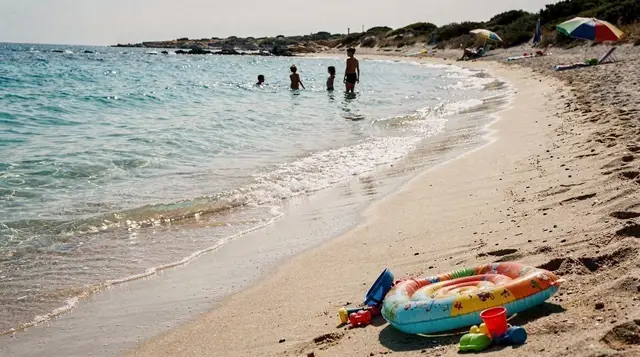
Yes — the south coast around Cagliari and Villasimius has shallow, gently shelving beaches, short drives, and enough boat trips and easy activities to fill a week without long car journeys. The Gulf of Orosei's boat-only beaches suit older, more adventurous children better than toddlers.
Why Sardinia works better for families than it first appears
Families sometimes overlook Sardinia in favour of more obviously packaged family destinations, but the island actually has several underrated advantages: free public beach access everywhere, a food culture built around simple, mild dishes children generally like, and a genuinely low-key, unhurried pace outside the busiest resort strips that suits family time better than a more frenetic city-break destination would. The main planning work is regional — picking a base that keeps drives short and beaches easy — rather than finding “kid-friendly” activities, which turn out to be widely available once the right region is chosen.
What makes a family trip to Sardinia work
Sardinia isn’t purpose-built for families the way a resort destination is, but the south and north-east coasts both have exactly the ingredients that make a trip with young children easy: shallow, gently shelving water, short drives between beach and accommodation, and enough low-effort activities — boat trips, gentle walks, ice cream in a piazza — to fill days without a long car journey wearing everyone out. The parts of the island that don’t work as well with toddlers are the Gulf of Orosei’s boat-only or hike-only beaches and the more demanding interior hikes, both better suited to families with older, more adventurous children.
| Age group | Best fit | Best base |
|---|---|---|
| Under 5 | South coast, shallow beaches, short drives | Cagliari, Villasimius |
| 5-10 | South or Costa Smeralda, boat trips, easy walks | Cagliari, Olbia, Alghero |
| 10+ | Gulf of Orosei, hiking, snorkelling, nuraghi | Cala Gonone, Baunei |
The easiest beaches for young children
Poetto, Cagliari’s own urban beach, is the single easiest option for families based in the capital — 8km of sand a short bus or taxi ride from the centre, with cafes, toilets and lifeguards in season right on the beach itself. Chia, about 45 minutes south of Cagliari, has calmer, shallower stretches alongside its dunes, and Villasimius offers similarly gentle entry points plus the Capo Carbonara marine protected area for very easy, shallow snorkelling.
On the north-east coast, Cala Brandinchi at San Teodoro — nicknamed “Little Tahiti” — has genuinely shallow, pale sand water that suits toddlers well, though it now has a daily access quota in peak season; full booking details are in our Cala Brandinchi and Lu Impostu guide. Further west, Is Arutas has unusual quartz-pebble sand children tend to find fascinating, though the entry shelves a little faster than Poetto or Chia. Our full Sardinia beaches with kids guide ranks the island’s beaches specifically by how easy they are with young children.
Activities beyond the beach
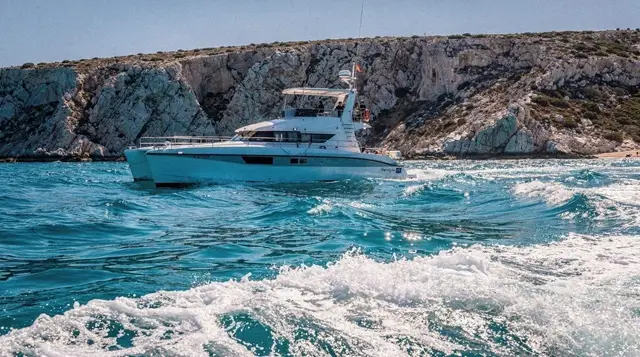
A boat trip is usually the single most successful non-beach activity with children old enough to sit through a couple of hours on the water, and the La Maddalena boat tour with pasta, from Palau is built specifically with families in mind — a shorter route, swim stops, and lunch included rather than a long open-water crossing.
In Cagliari, the mermaid experience in Cagliari is a genuinely fun, low-pressure water activity for children who love the idea of swimming like a mermaid, and it doesn’t require strong swimming ability to enjoy. Beyond organised activities, flamingos at Molentargius near Cagliari is a free, easy wildlife stop that reliably delights younger children, and the wild horses of the Giara plateau make for a memorable half-day if your children are old enough for a longer drive and a bit of walking.
Nuraghi and museums: how much culture kids will actually take
Sardinia’s nuraghi are more castle-like and climbable than most European ruins, which tends to go down well even with children who’d normally resist an archaeological site — Su Nuraxi di Barumini, the island’s UNESCO site, has enough scale and mystery (nobody fully agrees what the nuraghi were for) to hold attention for an hour or so.
Our broader nuraghi of Sardinia guide flags which sites are best suited to a shorter visit versus a deep dive. A handful of the island’s museums worth visiting also have hands-on or interactive elements aimed at younger visitors — worth checking ahead if a rainy or very hot midday calls for an indoor alternative.
Where to base a family trip
Cagliari is the strongest single base for families with young children — Poetto on the doorstep, an easy drive to Chia and Villasimius, and a proper city with paediatric pharmacies and supermarkets if you need either. Families wanting a boat-and-beach-focused trip with slightly older children do well basing around Olbia or Palau, close to the Maddalena archipelago crossing.
Whichever region you choose, our hotel versus agriturismo comparison is worth reading — many agriturismi welcome families warmly and often have space to run around that a hotel doesn’t, though check specifically for family rooms or interconnecting options before booking.
Packing for a family trip
Beyond the obvious swimwear and sun protection, a few Sardinia-specific items are worth the suitcase space: water shoes for rocky-entry beaches and nuraghi sites with uneven stone, a light rash vest for younger children who resist sunscreen reapplication, and a dry bag for boat trips, since spray is common even on calm days. Snacks are worth bringing rather than relying on finding child-friendly options mid-excursion, particularly for boat trips and longer drives through the interior where shops can be sparse. A basic first-aid kit with plasters and antihistamine covers the most common minor mishaps — grazes from rocky paths and the odd insect bite — without needing a pharmacy trip for every small issue.
Renting equipment locally instead of packing it
Several practical items are easier to rent locally than to bring — beach umbrellas and sunshades can usually be hired cheaply at licensed stabilimenti, and some agriturismi and larger hotels keep a small stock of cots and high chairs for guests, worth asking about when booking rather than assuming. For families staying a week or more, renting a car with a roof box or extra boot space is worth the modest extra cost if you’re travelling with substantial beach or baby gear, since packing efficiently for multiple bases matters more with children’s equipment involved than it does for a couple’s trip.
Timing a family trip around heat and school holidays
June and September both work well for families — warm enough sea, without the peak heat of July and August that makes midday activity genuinely uncomfortable for young children. If travel is only possible in the school summer holidays, plan around the heat rather than against it: beach mornings, an indoor or shaded activity through the hottest hours (roughly 1-4pm), then beach or town again in the early evening. Our best time to visit Sardinia guide has month-by-month detail if your dates have any flexibility at all.
Water safety and quota beaches with young children
Most of Sardinia’s beaches are unsupervised outside a few stretches with seasonal lifeguards, so it’s worth checking a beach’s supervision status before relying on it, particularly for confident young swimmers who might venture further than a parent expects. Currents are generally mild on the sheltered south-coast beaches but can be stronger on more exposed stretches of the Costa Smeralda and the west coast — asking locally or checking conditions on arrival is worth the two minutes it takes.
Quota beaches like La Pelosa and Cala Brandinchi actually work well for families specifically because the capped numbers mean less crowding and an easier time keeping track of children on the sand; just remember that quotas apply per person, so book the full group rather than assuming children are exempt.
A sample day with young children
A workable rhythm for a family day: an early start to the beach before the heat builds (roughly 9-11am), a long lunch break with shade through the hottest hours, a lower-key activity in the afternoon — a gelato and a wander through a town centre, or a short, easy walk — and a second, shorter beach or pool session in the early evening when the light softens and the heat eases. This shape works well precisely because it avoids asking young children to be at their best during the two or three hardest hours of a Sardinian summer day, and it leaves natural nap windows for anyone who still needs one.
A ready-made itinerary
If a full structured plan is more useful than piecing one together, our Sardinia with kids 7 days itinerary sequences a week specifically around family logistics — shorter driving days, nap-friendly timing, and a mix of beach days with lower-effort activity days built in rather than a packed sightseeing schedule.
Health, sun and hydration practicalities
Sardinia’s summer sun is genuinely strong, and heatstroke and sunburn are the two most common minor medical issues families encounter — a proper hat, reef-safe sunscreen reapplied through the day, and a planned midday shade break (roughly 1-4pm in July and August) go a long way. Pharmacies (farmacie) are widely available in every town of any size, well-stocked and staffed by pharmacists used to advising visiting families, and are the right first stop for minor ailments rather than a hospital visit.
Tap water is safe to drink island-wide, though bottled water is cheap and widely available if preferred for younger children. Mosquitoes can be a mild nuisance near wetland areas like Molentargius in the evenings — a light repellent is worth packing for early-evening outdoor dinners.
Car seats, strollers and practical logistics
Hire-car companies in Sardinia do supply child seats, but availability and quality vary between agencies, and it’s worth booking a specific seat category well ahead rather than assuming one will be available on arrival — see renting a car in Sardinia for booking specifics.
A lightweight, foldable stroller copes better than a full-size one with the cobbled streets of old towns like Alghero and Bosa, and a baby carrier is genuinely more useful than a stroller for beach access and for nuraghi sites, many of which involve uneven stone paths and a short climb. Restaurants across the island are generally relaxed about children, though high chairs aren’t universal at smaller trattorie — worth asking when booking a table for dinner rather than assuming.
Eating out with children
Sardinian food is, on the whole, an easy sell to children — simple pasta dishes, good bread, mild cheeses and pizza are available everywhere, and portions can usually be split or a child’s portion requested even where it’s not on the menu. Culurgiones tend to go down particularly well with children who enjoy dumplings or ravioli-style pasta, and a gelato stop is a reliable way to end most days. Dinner in Italy runs later than in many countries — most restaurants don’t get busy until 8pm or later — so an earlier table (many will happily seat families from 7pm) or a more casual, earlier meal avoids clashing with younger children’s bedtimes.
Older children and teenagers: activities that hold their attention
Families with older children or teenagers can lean into more active options that wouldn’t suit toddlers — canyoning, easier stretches of the Supramonte, snorkelling at Villasimius’s marine protected area, or a full boat day exploring the Gulf of Orosei’s sea caves. Teenagers in particular tend to respond well to genuinely dramatic scenery and a bit of physical challenge rather than another beach afternoon, which makes a family trip a good moment to add one of the island’s more adventurous days without it feeling out of place alongside younger siblings’ beach time.
Day trips that work well with children
Short, well-defined day trips tend to suit families better than open-ended exploring. Our day trips from Cagliari and day trips from Olbia guides both flag which routes are realistically doable with young children in the car and which involve longer stretches of winding road better saved for a trip without little ones.
Frequently asked questions about Sardinia with kids
What is the best region of Sardinia for families with young children?
The south coast around Cagliari, Chia and Villasimius — shallow beaches, short drives and real city amenities if needed.
Is the Gulf of Orosei suitable for children?
Better suited to children roughly eight and older who can manage a longer boat trip or a walk down to the beach; toddlers generally do better on the south coast’s easier-access beaches.
Do Sardinia’s quota beaches accept bookings for children?
Yes, quota systems apply per person including children, so book the full family group when reserving a slot at beaches like Cala Brandinchi or La Pelosa.
What’s the best time of year for a family trip to Sardinia?
June and September, avoiding the most intense July-August heat while keeping the sea warm enough for comfortable swimming.
Are there activities in Sardinia specifically aimed at children?
Yes — options like the mermaid experience in Cagliari and family-oriented boat tours from Palau are built with children in mind, alongside naturally engaging stops like the flamingos at Molentargius.
Do I need a car for a family trip to Sardinia?
Generally yes, for the same reasons as any Sardinia trip — buses and trains connect towns, not beaches. See renting a car in Sardinia for what to expect with car seats and booking.
How much of a Sardinia trip should be beach days versus activities?
Most families do well with roughly two beach days for every activity or town day, adjusted around nap schedules and heat — our Sardinia with kids 7 days itinerary sets out a workable rhythm.
Family-friendly tours
Verified deep-linked GetYourGuide tours. Book through these links and we earn a small commission at no cost to you.
These are our own photographs of Sardinia, not the operator's pictures of this tour — open the tour page to see those.