Sardinia packing list
What's the most important thing to pack for Sardinia?
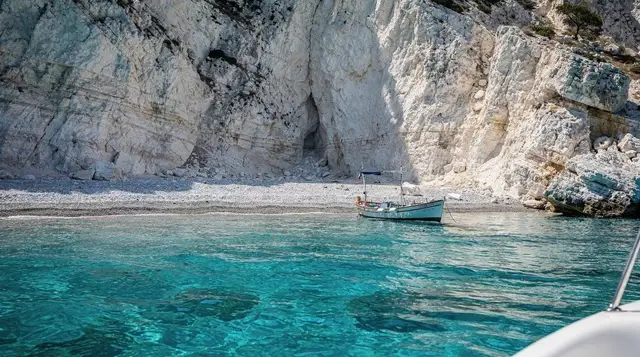
Reef shoes or water sandals — much of the coastline is rocky rather than sandy, and several of the best beaches require a walk over sharp terrain to reach. After that, a container to bring sand home in is the wrong idea entirely — leaving every grain on the beach avoids fines of up to €3,000.
Pack for a driving-and-beach island, not a resort
Sardinia doesn’t fit the standard “beach holiday” packing list, because most trips here mix rocky coves, long drives, hiking trails and rural agriturismi with the beach time. What you actually need depends more on what you’re doing each day than on the season — a week that includes a Gulf of Orosei boat trip, a nuraghe visit and a couple of proper beach days needs a wider kit than a week spent entirely at one resort. This list is built around that reality rather than a generic Mediterranean packing template.
| Category | Essential items | Why it matters here |
|---|---|---|
| Footwear | Reef shoes, proper hiking trainers, one smart-casual pair | Rocky coves and unpaved nuraghi sites punish flip-flops |
| Sun | High-SPF sunscreen, hat, sunglasses | UV is strong even on overcast days near the coast |
| Driving | International licence copy, phone mount, offline maps | Rural roads have patchy signal |
| Documents | EHIC/GHIC or travel insurance, printed bookings | Some rural sites don’t take cards |
| Layers | Light jacket for evenings, swimwear ×2-3 | Coastal evenings cool faster than inland ones |
Footwear: the single biggest mistake people make
Sardinia’s most photographed beaches — La Pelosa, Cala Goloritzé, Cala Mariolu — are backed by rock, not soft sand paths, and several require a genuine walk over uneven or sharp terrain just to reach the water’s edge. Reef shoes or sturdy water sandals solve this instantly and cost little; flip-flops don’t survive most of these approaches.
Separately, pack real trainers or light hiking shoes if any part of the trip touches the Gulf of Orosei, the Supramonte or a nuraghe site with an unpaved approach — the walk into Su Nuraxi at Barumini or a half-day trip covered by the nuraghe and Giants’ Grave day trip from Cagliari is easier in proper shoes than sandals.
Sun protection, and why it matters more than people expect
Sardinia sits at a lower latitude and gets clearer skies than most of northern Europe, and UV intensity in summer regularly reaches extreme levels by midday. High-SPF sunscreen (30 or above, reapplied after swimming), a proper hat and good sunglasses aren’t optional extras here — sunburn on day one of a boat tour is one of the most common ways to ruin the rest of a trip. If a boat day is on the itinerary, such as an Alghero day trip by sailing boat, bring reef-safe sunscreen specifically, since several marine protected areas restrict standard formulas, and reapply more often than you would on land — reflection off the water increases exposure.
Beach-quota and sand-ban essentials
A handful of Sardinia’s best-known beaches now operate paid or capped daily entry — La Pelosa, Cala Goloritzé, Cala Mariolu, Cala Brandinchi, Lu Impostu and Tuerredda among them. Pack (or screenshot) your booking confirmation, since some entry points check it at the gate rather than trusting a phone signal that may not exist there. Separately, and non-negotiably: do not pack a container for taking sand or shells home. It’s illegal across the island, enforced with spot checks including at Cagliari-Elmas, Olbia and Alghero-Fertilia airports, and fines run from €500 to €3,000 per offence. Full detail on which specific beaches have quotas is in Sardinia beach access quotas.
Driving essentials
Since Sardinia effectively requires a hire car for most itineraries, bring a printed or downloaded copy of your driving licence details, your international driving permit if your licence requires one for Italy, and offline maps downloaded before you leave any town — signal drops out completely on stretches of the SS125 along the east coast and in parts of the interior.
A phone mount for the car is worth packing rather than buying locally, since not every hire car includes one. If your trip includes a day trip with a driver, such as the half-day guided tour of the Costa Smeralda from Olbia, you can skip the self-driving stress for that day entirely.
What to wear for boat tours and water sports
Bring at least two swimsuits so one is always dry, a rash guard or light long-sleeve top if you burn easily (most boat trips involve several hours of open water exposure with limited shade), and a dry bag or waterproof phone pouch — RIBs and smaller sailing boats splash more than a large ferry. Non-slip water shoes double up here too, useful for scrambling onto rocks at cove stops. If snorkelling is part of the plan, most operators supply masks, but bringing your own if you’re particular about fit is worth the small extra bag space.
Luggage strategy for a multi-stop road trip
Most Sardinia itineraries involve several accommodation changes rather than one base, which makes packing strategy as important as the items themselves. A soft-sided bag rather than a hard-shell case fits more easily into smaller hire car boots, particularly economy models common at Cagliari-Elmas and Alghero-Fertilia. Packing cubes or a similar system pay off on a trip with 4-5 stops, since living out of a single open suitcase in a different agriturismo every two nights gets frustrating quickly. If a boat tour is on the itinerary, check the operator’s guidance on what to bring aboard — most RIBs and smaller sailing boats have limited dry storage, so a compact day bag rather than your full luggage is what you’ll actually carry that day.
Documents, money and connectivity
Carry your EHIC or GHIC card (or private travel insurance details) — rural clinics and some agriturismi still work better with cash or a specific card type than contactless, so keep a small amount of euros on hand rather than relying entirely on card payments. A physical adapter isn’t needed for UK, EU or most European travellers, since Italy uses the standard European two-pin socket, but US and UK-outside-EU visitors should check their device compatibility. For connectivity away from town wifi, see eSIM and mobile data in Sardinia for what actually works on the island’s patchier rural coverage.
Clothing for evenings and towns
Coastal evenings cool faster than inland ones, especially outside July and August — pack one light jacket or jumper even for a summer trip, since a breeze off the water after sunset catches most visitors off guard. For dinner in towns like Alghero or Cagliari, smart-casual is the norm rather than beachwear; one slightly dressier outfit covers most restaurant situations without overpacking.
Packing for hiking and the interior
Any part of the trip that touches the Supramonte, the Gennargentu or routes like the descent to Cala Goloritzé needs proper hiking preparation beyond sturdy shoes — a small daypack, at least 2 litres of water capacity per person, a basic first-aid kit, and a paper or offline map as backup, since phone signal drops out in gorges and valleys across the interior.
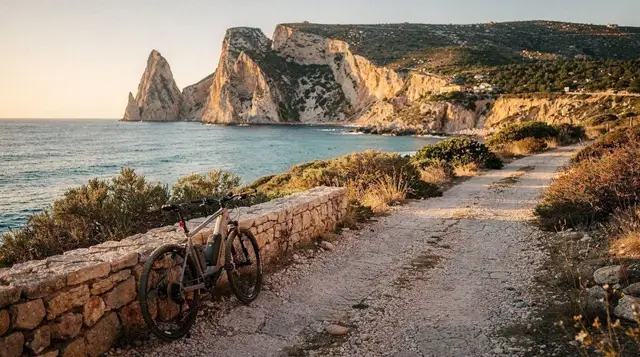
Trekking poles are worth packing for anyone with knee concerns tackling the steeper descents, and a lightweight buff or neck scarf earns its space for both sun protection and dust on drier interior trails. Even relatively short, well-marked walks in Sardinia tend to involve more genuine elevation change and rougher underfoot terrain than photos suggest.
Seasonal packing differences
What belongs in the bag shifts meaningfully across the year. A midsummer trip (June to August) leans hardest on sun protection and the lightest possible clothing, since daytime heat regularly tops 30°C. A shoulder-season trip in September or October still needs strong sun protection early on but should add a proper jacket for cooling evenings and a higher chance of a rain day toward the back half of either month. A winter visit flips the list almost entirely toward layers, a genuine waterproof shell and warmer footwear, since sun protection becomes a minor concern compared with wind and rain.
What not to bother packing
A few items commonly overpacked for Sardinia aren’t worth the suitcase space. A full snorkelling kit is unnecessary for most trips, since boat tours and beach clubs almost always rent or include one — bring your own only if mask fit genuinely matters to you. A stack of cash beyond a small emergency amount isn’t needed either, since card payments are accepted at the large majority of restaurants, shops and fuel stations, cash mattering mainly for small rural agriturismi and market stalls. And a bulky physical map book is redundant once offline digital maps are downloaded, though it’s still worth having phone battery backup for a full day of navigation-heavy driving.
First aid, medication and pharmacy basics
Pharmacies (farmacia, marked with a green cross that’s usually illuminated when open) are common in towns and handle most minor needs — insect bite cream, rehydration salts, basic painkillers — without needing a prescription or much Italian. Rural areas and smaller villages have far fewer, and many close for a long lunch break and on Sundays, so it’s worth carrying a small kit of your own: plasters, antiseptic, any regular prescription medication with enough supply for the full trip plus a few spare days, and motion sickness tablets if a boat tour is on the itinerary — smaller RIBs and sailing boats move more than a large ferry, and it’s a common and avoidable way to lose part of a day out on the water.
Mosquito repellent earns its space too, particularly for evenings near the wetlands around Oristano and the Sinis Peninsula, where insect activity picks up noticeably after dusk in the warmer months.
Packing specifically for a boat-tour day
Beyond the swimwear and reef shoes already covered, a day built around an organised boat trip benefits from its own small day-bag rather than raiding your full suitcase each morning. A lightweight cap that won’t blow off in the wind, a spare dry t-shirt for the ride back if you’ll be damp, and a printed or offline-screenshotted booking confirmation cover most of what operators actually ask for at check-in. Leave anything you’d be upset to lose overboard — expensive sunglasses without a strap, non-waterproof electronics — in the car or at your accommodation rather than in an open boat bag.
Frequently asked questions about packing for Sardinia
Do I need hiking boots for a Sardinia trip that isn’t focused on hiking?
Not full boots, but sturdy trainers are worth it if any part of your trip touches a nuraghe site, the Gulf of Orosei or the interior — many “easy” walks in Sardinia involve more uneven ground than they look like in photos.
Is it true you can be fined for taking sand home from Sardinia?
Yes, and it’s actively enforced — fines range from €500 to €3,000, with checks at Cagliari-Elmas, Olbia and Alghero-Fertilia airports as well as spot checks on some beaches themselves.
Do I need a power adapter for Sardinia?
No, if you’re travelling from elsewhere in the EU — Italy uses the standard European two-pin socket. UK and non-EU visitors should bring a standard EU adapter.
What should I pack specifically for a boat tour day?
Two swimsuits, reef-safe sunscreen, a rash guard if you burn easily, a dry bag for your phone, and water shoes for cove stops — most operators handle snorkel gear, but confirm when booking.
Is bottled water necessary to pack or buy locally?
Tap water is safe to drink across Sardinia, though many locals prefer bottled for taste. A refillable bottle covers most needs and cuts down on packing weight and plastic waste.
Do I need proof of beach quota bookings, or is a phone screenshot enough?
A phone screenshot is usually accepted, but signal can be unreliable at some access points, particularly Cala Goloritzé’s trailhead — a printed copy or offline screenshot is the safer option.
What’s the biggest seasonal difference in what to pack?
Summer trips need heavier sun protection and lighter clothing generally; anything from October to April needs a proper waterproof layer and warmer evening wear — see Sardinia in winter for the off-season specifics.
Should I pack snorkelling gear or rent it locally?
Most boat tours and beach clubs rent or include snorkel gear, so it’s not essential to pack unless you’re particular about mask fit or plan extensive independent snorkelling away from organised tours.
Do I need cash, or does Sardinia run mostly on card payments?
Cards are accepted at the large majority of restaurants, shops and fuel stations, but keep a small amount of cash for rural agriturismi, market stalls and some smaller beach bars that still prefer it.
What’s different about packing for a trip with young children?
Add reef shoes in kids’ sizes specifically (adult sizing rarely works well for children on rocky approaches), a wider-brimmed hat than you’d bring for yourself, and a portable shade tent for beaches without natural cover — several of Sardinia’s best coves have very little shade.
Is a beach umbrella worth packing or better to rent?
Most staffed beach clubs (stabilimenti) rent umbrellas and sunbeds on-site, making it unnecessary to pack one — a lightweight pop-up shade is only worth bringing if you plan to spend time on quieter, unstaffed beaches without rental facilities.
Do I need to pack seasickness tablets even for calmer boat tours?
It’s worth having some regardless — even short, sheltered-water tours can feel different to someone prone to motion sickness, and pharmacies in smaller coastal towns don’t always stock them on a Sunday or public holiday.
Are pharmacies easy to find outside the main towns?
Less so — rural areas and smaller villages have far fewer pharmacies, and many keep limited hours with a long midday closure, so carry a basic first-aid kit rather than assuming you’ll find one nearby when needed.
Trip-planning essentials on GetYourGuide
Verified deep-linked GetYourGuide tours. Book through these links and we earn a small commission at no cost to you.
These are our own photographs of Sardinia, not the operator's pictures of this tour — open the tour page to see those.