Sardinia versus Sicily
Is Sardinia or Sicily better to visit?
Sardinia has the better beaches and a slower, more nature-focused pace; Sicily has stronger classical and Baroque history, a bigger food scene and denser sightseeing per day of driving. Choose Sardinia for beach-led relaxation, Sicily for a culture-and-food-led trip with beaches as a bonus rather than the main event.
How long you need for each island
A properly satisfying Sardinia trip works well over 7-10 days focused on one or two regions, since the appeal leans on slower beach and boat days rather than rushing between sights — trying to compress it below a week means sacrificing the relaxed pace that’s the whole point. Sicily’s denser sightseeing rewards a similar length trip differently: 10-14 days lets you properly cover the east coast around Etna and Taormina, the south’s Greek temples, and Palermo’s west-coast culture without constant backtracking, though a focused week covering just one region works too. Neither island is well suited to a rushed 3-4 day visit if the goal is to see it properly rather than sample a single corner.
Two Italian islands, two very different holidays
Sardinia and Sicily are the two largest islands in the Mediterranean and both belong to Italy, but the similarities mostly end there. Sardinia’s identity is closer to its own — Sardu is still spoken, the food culture leans toward pecorino, culurgiones and Cannonau rather than the Arab-Norman-influenced cuisine of Sicily, and the appeal is overwhelmingly about beaches, coves and a slower pace. Sicily has a denser, more layered history — Greek temples, Norman cathedrals, Mount Etna, Baroque towns — packed closer together, and a food scene that’s arguably the more famous of the two islands internationally. This guide compares them on the things that actually decide a trip, not just surface impressions.
| Sardinia | Sicily | |
|---|---|---|
| Best for | Beaches, coves, boat trips, slower pace | History, food scene, denser sightseeing |
| Getting around | Car essential, longer coastal drives | Car recommended, shorter town-to-town hops |
| Standout sights | Gulf of Orosei, La Pelosa, nuraghi | Mount Etna, Valley of the Temples, Taormina |
| Food identity | Culurgiones, bottarga, Cannonau, pecorino | Arancini, cannoli, Marsala, Arab-Norman influence |
| Prices | Moderate, Costa Smeralda pricier | Similar overall, Taormina pricier |
| Pace | Slower, nature and coast-led | Busier, more sights per day |
Wine and drink culture on each island
Sicily has the more internationally recognised wine industry of the two, with Etna DOC reds and whites grown on volcanic soil gaining serious critical attention over the past decade, alongside sweet Marsala from the island’s west. Sardinia’s wine culture is smaller in international profile but no less serious — Cannonau, one of the world’s oldest continuously cultivated grape varieties, and Vermentino di Gallura, the island’s only DOCG-rated wine, both reward a dedicated tasting day rather than a single glass with dinner. Neither island disappoints a wine-focused traveller, but Sicily’s scene is easier to plan around thanks to more established wine-tourism infrastructure, while Sardinia’s feels more like a discovery.
Beaches: Sardinia wins clearly
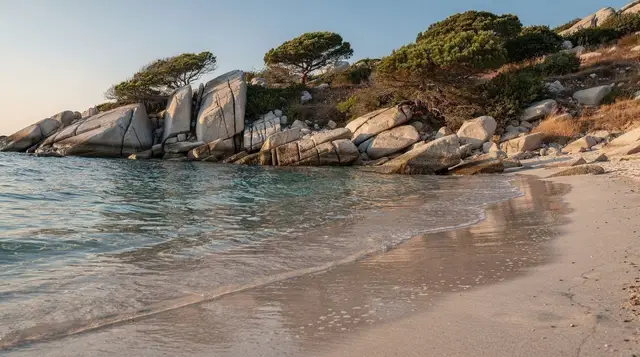
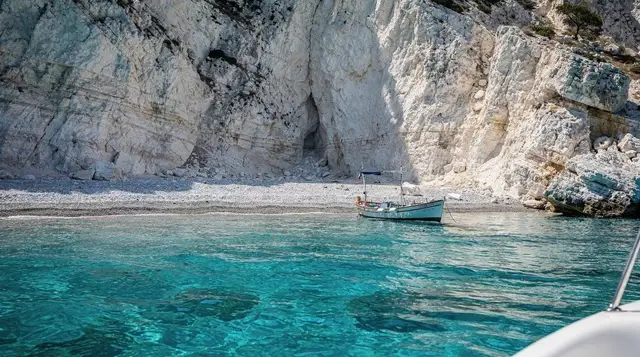
If beaches and clear water are the main point of the trip, Sardinia is the stronger choice by a real margin — coves like Cala Goloritzé and Cala Mariolu in the Gulf of Orosei, and the shallow turquoise water of La Pelosa, are genuinely comparable to the Caribbean in photos, backed by dramatic limestone cliffs rather than development.
Sicily has good beaches too — around Taormina and the Aeolian Islands particularly — but they’re a secondary attraction there rather than the headline reason to visit, competing for attention with the island’s archaeological and volcanic sights. A boat trip like the catamaran cruise and sailing day trip from Alghero is a genuinely different category of experience from anything comparable on the Sicilian coast.
History and sightseeing: Sicily has more, and it’s denser
Sicily’s sightseeing density is its clearest advantage — the Valley of the Temples at Agrigento, Mount Etna, the Baroque towns of the Val di Noto, Palermo’s markets and Norman-Arab architecture, and Taormina’s Greek theatre all sit within a few hours of each other, letting a week-long trip cover an enormous amount of ground. Sardinia’s history is real and worth exploring — around 7,000 nuraghi, with Su Nuraxi at Barumini as its UNESCO centrepiece — but it’s more spread out, less internationally famous, and generally requires more driving between fewer headline sites. If dense, varied sightseeing matters more than beach time, Sicily wins this comparison clearly.
Food: both excellent, differently
Sicily’s food reputation is arguably the stronger of the two internationally — arancini, cannoli, Marsala wine, a cuisine shaped by centuries of Arab, Norman and Spanish influence layered onto Italian foundations. Sardinia’s food culture is less internationally hyped but genuinely distinctive rather than a lesser version of mainland Italian food — culurgiones (a stuffed pasta unique to the island), bottarga from Cabras, pane carasau, and Cannonau and Vermentino wines that rarely travel far outside Italy. Neither island disappoints on food; the difference is fame rather than quality, and Sardinia rewards travellers willing to eat where locals actually eat over chasing a guidebook list.
Driving and logistics
Both islands genuinely need a rental car for a proper trip, but the experience differs — Sicily’s more built-up road network connects towns and sights more directly, while Sardinia’s coastal roads, particularly toward the Gulf of Orosei, wind further with fewer direct routes and an average real driving speed close to 60km/h given the total absence of motorway outside the SS131. That’s part of why boat access matters more in Sardinia — a trip like the boat tour to Cala Goloritzé and Cala Mariolu from Arbatax reaches coastline no road serves at all, something Sicily’s more connected coast road rarely requires.
Prices and crowds
Both islands sit in a similar overall price bracket, with the sharpest premiums concentrated in specific hotspots rather than islandwide — the Costa Smeralda in Sardinia and Taormina in Sicily are each considerably pricier than the rest of their island. Sicily, being more established on the international sightseeing circuit, can feel busier at its headline sites (Etna, the Valley of the Temples, Taormina) in peak season than Sardinia’s equivalent nature spots, which cap crowds through the access-quota system on beaches like La Pelosa rather than simply absorbing more visitors.
Getting there: flights and ferries compared
Sicily has a slight edge on direct international connectivity, with Catania and Palermo airports both handling a wide range of European routes year-round, plus the option of a short ferry hop from mainland Calabria at Messina for anyone driving down from the rest of Italy. Sardinia’s three airports — Cagliari-Elmas, Olbia and Alghero-Fertilia — cover the island well but with more seasonal variation, particularly at Alghero, and no equivalent short ferry crossing from mainland Italy; the mainland ferry routes from Civitavecchia, Genoa and Livorno run 6-11 hours depending on the port.
Neither island is hard to reach, but Sicily’s connections are marginally more consistent outside peak summer months — see getting to Sardinia by air and ferries to Sardinia for the Sardinia-specific detail.
Language and everyday travel feel
Both islands are part of Italy and Italian works everywhere, but the on-the-ground feel differs. Sardinia has its own strong regional identity — Sardu is still spoken, particularly in the interior, and Alghero’s old town carries a genuine Catalan linguistic heritage from centuries of Aragonese rule, visible on street signs and heard in the local dialect. Sicily’s regional identity leans more toward its layered history of Greek, Arab, Norman and Spanish rule showing up in architecture and cuisine rather than a widely spoken separate language, though Sicilian dialect remains distinct from standard Italian. Both islands reward travellers who lean into that local identity rather than treating either as interchangeable with mainland Italy.
Volcanoes and geology: a Sicily-only feature
One genuine point of difference has nothing to do with beaches or food — Sicily has Mount Etna, Europe’s most active volcano, climbable partway with guided tours and visible from much of the island’s east coast, plus the smaller volcanic Aeolian Islands offshore. Sardinia has no active volcanism at all; its geological drama comes instead from limestone cliffs, granite boulder formations, and cave systems like Neptune’s Grotto near Alghero. If volcanic landscapes specifically are part of the draw, that’s a clear point in Sicily’s favour that Sardinia simply can’t match.
Which fits your trip better
Pick Sardinia if the trip is built around beach time, boat trips and a slower pace, with sightseeing as a bonus rather than the plan — a half-day catamaran and aperitif tour of Porto Conte captures that mode well. Pick Sicily if you want denser cultural and historical sightseeing packed into fewer days, with beaches as the bonus instead. Both are excellent, genuinely different trips rather than interchangeable “Italian island” holidays — see Sardinia versus Corsica for a comparison against the other most common alternative.
Public transport: Sicily has the edge here too
Beyond airports and ferries, the two islands differ meaningfully in everyday transport once you’re on the ground. Sicily has a genuine, if slow, rail network connecting Palermo, Catania, Messina and Syracuse, plus a reasonably dense intercity bus system — enough that a car-free week focused on two or three towns is realistic there in a way it generally isn’t in Sardinia.
Sardinia’s own rail line, linking Cagliari, Oristano, Sassari and Porto Torres, is useful for moving between towns but reaches none of the coves and beaches that are the island’s main draw, which is why a hire car matters more here than in Sicily for most itineraries. Neither island’s public transport reaches its best beaches directly — Sicily’s are simply more town-adjacent to begin with.
Nature reserves and protected landscapes
Both islands set aside serious protected land, but the character differs. Sicily’s Zingaro nature reserve, near San Vito Lo Capo, protects a stretch of untouched coastline reachable only on foot, and Etna itself sits within its own regional park with marked trails across volcanic terrain found nowhere else in Italy.
Sardinia’s protected areas lean toward the Gennargentu massif and national park proposals around it, the island of Asinara — a former prison island now a car-free national park — and the Supramonte’s largely unmanaged wild interior. Sardinia’s protected landscapes feel wilder and less visitor-infrastructure-heavy overall; Sicily’s are more accessible day trips from a town base.
Frequently asked questions about Sardinia versus Sicily
Which island has better beaches, Sardinia or Sicily?
Sardinia, by a clear margin for most travellers — coves like Cala Goloritzé and La Pelosa are considered among the best in the Mediterranean, while Sicily’s beaches are good but secondary to its cultural sights.
Which island is better for a food-focused trip?
Sicily has the more internationally famous food scene, shaped by Arab, Norman and Spanish influences; Sardinia’s food culture is less hyped internationally but distinctive and rewarding, particularly for wine and pasta specialities unique to the island.
Is it possible to visit both Sardinia and Sicily in one trip?
It’s possible but demanding — there’s no direct fast ferry between them, and flights typically route via mainland Italy. Most travellers treat them as two separate trips rather than combining both in one visit.
Which island is cheaper, Sardinia or Sicily?
Both sit in a similar overall price bracket, with the steepest costs concentrated in specific areas — the Costa Smeralda in Sardinia and Taormina in Sicily — rather than either island being cheaper across the board.
Which island needs more days to see properly?
Sicily’s denser sightseeing can fill 10-14 days without repeating; Sardinia works well over a similar range but with more time spent on fewer, more spread-out destinations and beach days rather than constant sightseeing.
Is Sardinia or Sicily better for a family trip?
Both work well for families — Sardinia’s calmer beaches and slower pace suit younger children, while Sicily’s mix of shorter drives between varied sights can hold older children’s attention better.
Which island has more UNESCO sites?
Sicily has more UNESCO World Heritage listings overall, including the Val di Noto’s Baroque towns and Mount Etna; Sardinia’s contribution is Su Nuraxi at Barumini, its sole entry but a genuinely unique one.
Does Sardinia or Sicily have better boat tours?
Sardinia’s boat tours reach some of the most dramatic, otherwise-inaccessible coastline in the Mediterranean, particularly in the Gulf of Orosei — a category of experience Sicily’s more road-connected coast doesn’t offer in the same way.
Which island is easier to fly into from outside Italy?
Sicily has slightly more consistent year-round international connectivity through Catania and Palermo; Sardinia’s airports, particularly Alghero-Fertilia, see more seasonal variation in route availability.
Does Sicily have volcanoes, and does Sardinia?
Yes to Sicily — Mount Etna is Europe’s most active volcano, plus the volcanic Aeolian Islands offshore. Sardinia has no active volcanism; its dramatic landscapes come from limestone cliffs, granite formations and cave systems instead.
Is the local language different on each island?
Both use Italian as the working language, but Sardinia has its own distinct regional language, Sardu, still spoken particularly inland, plus a Catalan-influenced dialect in Alghero. Sicily’s regional dialect is closer to standard Italian with its own distinct character rather than a genuinely separate language.
Which island is better for a honeymoon or romantic trip?
Sardinia’s slower pace, secluded coves and boat trips suit a romantic, relaxation-focused trip particularly well; Sicily works better for couples who want a mix of culture, food and sightseeing alongside their downtime rather than pure relaxation.
Popular Sardinia experiences on GetYourGuide
Verified deep-linked GetYourGuide tours. Book through these links and we earn a small commission at no cost to you.
These are our own photographs of Sardinia, not the operator's pictures of this tour — open the tour page to see those.