Sardinia in July and August
What is Sardinia like in July and August?
Peak season — the warmest sea of the year, at 25-27°C, but also the highest prices, heaviest crowds and the only weeks where quota beaches, hire cars and popular restaurants genuinely sell out. Both months work well with advance planning; neither suits a spontaneous trip.
Two months, one label, real differences
Lumping July and August together as “peak season” hides a real difference between them worth knowing before booking. July, especially its first three weeks, is genuinely busy but still has pockets of relative calm and easier last-minute availability than August ever offers. August, once the Ferragosto fortnight arrives, is a different order of magnitude — the one stretch of the year where nearly every metric that matters (crowds, prices, booking windows, traffic) hits its absolute yearly extreme simultaneously. If a choice between the two months is available, early-to-mid July gives most of the summer’s warmth with meaningfully less of August’s pressure.
Who peak season genuinely suits
July and August aren’t a compromise for everyone — for travellers who want the warmest possible sea, a full evening scene, and don’t mind planning ahead in exchange for it, these two months deliver exactly that. It’s families tied to school holidays, and anyone who specifically wants the liveliest, most social version of the island, who get the most out of peak season without feeling like they’re fighting the crowds the whole time. Travellers who prioritise quiet, budget or spontaneity are usually better served elsewhere on the calendar — see best time to visit Sardinia for the full comparison.
Peak season, on every measure at once
July and August are Sardinia’s true high season, and the two months don’t behave quite the same way. July builds gradually — busy but manageable in the first half, genuinely crowded by the last week as European school holidays kick in fully. August, particularly the two weeks either side of Ferragosto (15 August), is the busiest, hottest and most expensive stretch of the entire year on the island. Both months absolutely work for a trip — this is when Sardinia is at its liveliest and warmest — but they reward advance planning far more than any other part of the calendar.
| July | August | |
|---|---|---|
| Air temperature | 27-31°C | 29-33°C |
| Sea temperature | 25-26°C | 26-27°C |
| Crowds | High, building | Very high, peaking mid-month |
| Prices | High | Highest of the year |
| Quota-beach booking | Days ahead | Weeks ahead |
Wind, storms and the rare cancelled day
Even at the height of summer, a sudden thunderstorm or a spell of strong wind can disrupt a day’s plans, most commonly a boat trip or a coastal hike — it’s uncommon in July and August compared with spring or autumn, but not unheard of, particularly during brief, intense summer storms that can roll in with little warning. Checking a same-day forecast before a boat booking, and having a loose backup plan for a storm-affected afternoon, avoids the disappointment of a wasted booking. Our mistral wind guide explains how to read conditions, even though the mistral itself is a more autumn-and-spring phenomenon than a summer one.
The heat: real, and worth planning around
Daytime temperatures regularly reach the low 30s°C in August, and the interior — around Nuoro and inland Barbagia — can run even hotter than the coast, without the sea breeze that tempers coastal towns. Midday hiking, particularly on exposed routes like the Selvaggio Blu trek or longer Supramonte trails, is genuinely demanding and best avoided between roughly 11am and 4pm in favour of an early-morning start. Coastal towns are more comfortable thanks to sea breezes, and beach time in the afternoon heat is exactly what most people are there for, so the heat is less of an obstacle for a beach-first itinerary than for a hiking or sightseeing-heavy one.
Booking windows: the difference that actually matters
The single biggest practical difference between peak season and the rest of the year is how far ahead things need booking. Quota beaches — La Pelosa, Cala Goloritzé, Cala Mariolu, Cala Brandinchi and Lu Impostu, Tuerredda — routinely sell out their daily allocation days or even weeks in advance in August specifically.
Hire cars run short of stock, particularly for popular categories, and accommodation in well-known towns can be fully booked months ahead for the first two weeks of August around Ferragosto. None of this means avoid these weeks — many travellers only have this window free — but it does mean booking everything well before arrival rather than deciding day to day, which works fine in May or October.
Prices at their yearly peak
July and especially August carry the highest prices of the year across the board — accommodation can run 50-100% above June rates for the same property, hire cars are at their most expensive and least available, and restaurants in the busiest towns sometimes add a modest peak-season premium.
The Costa Smeralda in particular becomes a genuinely different price bracket during these weeks; see is the Costa Smeralda worth it for an honest read on whether the premium delivers. Our Sardinia on a budget guide has strategies specifically for keeping costs down even within peak season, and our August survival guide covers the month in more tactical detail.
Traffic and driving: the real cost of the season
Sardinia’s roads see genuine holiday congestion in July and August, particularly the SS131 around Cagliari and Olbia at weekend changeover points, and coastal roads near the Costa Smeralda and the south’s beach towns during the day. Given the island’s already-slow average driving speed of around 60km/h outside the dual carriageway, peak-season traffic can meaningfully extend transfer times between regions — our driving times reality check has specific numbers for how much longer routes take in August versus June.
Festivals: Ferragosto and Redentore
Ferragosto, 15 August, is a genuine national holiday in Italy and the single busiest date on the entire Sardinian calendar — beaches, restaurants and roads are at their fullest, and many businesses that stay open all summer close specifically on this one day. Later in the month, Nuoro’s Redentore festival brings costumed processions and traditional dance from across the interior, one of the most significant late-August cultural events on the island. Sassari’s Faradda di li candareri, also on 14 August, is another major local event worth knowing about if travelling through the north-west. Full dates and context are in our festivals calendar.
Family travel in July and August
For families tied to school holidays, July and August are often the only realistic window, and the island handles it well with the right preparation. The heat is the main factor to plan around — mornings and early evenings for activity, a shaded midday break, and quota-beach and boat bookings made weeks rather than days ahead given how fast family-friendly slots fill. Our Sardinia with kids guide has base and timing advice that applies directly to a peak-season family trip, and choosing a base with easy, short-drive beach access matters even more in August than in a quieter month, since less driving means less exposure to the day’s hottest hours in the car.
Boat trips: book well ahead, but the water is warmest
The reward for peak-season planning is the warmest sea of the year, and boat trips genuinely deliver on this — the sunset sailing and aperitif experience from Alghero is spectacular in July and August’s long, warm evenings, and the sailing catamaran day trip with lunch from Alghero makes the most of the warmest swimming conditions of the year.
On the east coast, the boat tour to Cala Goloritzé and Cala Mariolu from Arbatax is one of the best ways to see the Gulf of Orosei’s showpiece coves without needing a quota-beach hiking permit — worth booking well ahead in August specifically, since these sailings sell out first. For a shorter option, the half-day tour on a 15m sailing boat from Alghero fits well around a beach-focused day without committing a full afternoon.
What’s in season to eat in July and August
High summer brings Sardinia’s food culture fully into seafood territory — fresh fish and shellfish dominate menus along the coast, tomatoes and courgettes are at their peak, and the first figs of the season start appearing by late July. It’s not the season for the island’s heavier winter dishes, but it is prime time for a proper seadas dessert or a simple plate of spaghetti alle vongole eaten outdoors in the evening once the day’s heat has broken. Our what to eat in Sardinia and where to eat in Sardinia by area guides both help navigate menus that lean heavily toward tourist footfall in the busiest towns during these two months.
Nightlife: the busiest version of Sardinia’s evening scene
July and August are when Sardinia’s nightlife scene runs at full capacity, particularly around Porto Cervo and the wider Costa Smeralda, and in Cagliari for a more urban evening scene. Beach clubs, sunset aperitivo spots and late-night venues are all open and busy, which is either the whole point of an August trip or a reason to base further from the loudest towns if a quieter stay matters. Our nightlife in Sardinia guide breaks down which towns lean into this scene and which stay calm even at the height of summer.
A sample week in July or August
A peak-season week works best built around a single well-chosen base rather than an ambitious multi-region circuit, given the extra time booking and driving both take. A common shape: three or four days on the south coast around Cagliari, Chia and Villasimius, with quota-beach bookings locked in weeks ahead, followed by a shorter, more relaxed stretch rather than a second demanding region. Our Sardinia in 5 days itinerary suits this pace well for a shorter peak-season trip, and our Sardinia beaches 10 days itinerary works for a longer one, provided every quota beach and boat trip along the route is booked well in advance.
Getting there in July and August: flights and airports
This is the busiest window of the year for all three of Sardinia’s airports — Cagliari-Elmas, Olbia Costa Smeralda and Alghero-Fertilia — with the fullest schedule of seasonal routes but also the highest fares of the year. Booking flights months ahead, ideally by early spring, makes a real difference to both price and choice of times. See getting to Sardinia by air for route detail, and consider airport transfers in Sardinia if you’d rather not navigate a peak-season hire-car desk on arrival.
Regional differences: where peak season bites hardest
Not every region feels equally crowded in July and August. The Costa Smeralda and the south coast’s best-known beach towns carry the heaviest crowds and the highest prices; the west coast around Oristano and the interior around Nuoro and Barbagia see a fraction of the visitor numbers even at the height of summer, while still offering genuine beach and cultural interest. A peak-season trip that leans on these quieter regions for at least part of the itinerary tends to feel noticeably less frantic than one that stays entirely within the most popular coastal strips.
Diving, snorkelling and water clarity in peak season
Warm water and calm conditions make July and August strong months for diving and snorkelling, even if visibility can dip slightly compared with the clearer water of June, owing to increased boat traffic and swimmer numbers at the most popular sites. Sites around Villasimius and Capo Carbonara and the Maddalena archipelago remain excellent, though booking ahead matters here too — dive boats fill their peak-season slots well before the actual dive dates.
Anyone trying diving for the first time will find plenty of beginner-friendly operators running introductory sessions throughout both months; see try diving in Sardinia for beginners for what to expect.
Alternatives to consider
If flexibility exists at all, our best time to visit Sardinia guide makes the case for June and September as offering most of peak season’s warmth with dramatically less pressure on booking and budget. For travellers whose dates are genuinely fixed to July or August — school holidays being the most common reason — our cheapest time to visit Sardinia breakdown and car hire traps guide both help control costs even within the expensive weeks.
Frequently asked questions about Sardinia in July and August
Is Sardinia too hot in August?
Daytime highs in the low 30s°C are common and can feel intense for hiking or midday sightseeing, though beach days and evenings remain very comfortable. Plan demanding activities for early morning.
How far ahead should I book quota beaches for August?
A week or more ahead is safest; some beaches sell out their daily allocation within days of opening bookings during the busiest weeks.
Is Ferragosto a good or bad time to be in Sardinia?
Both — it’s a genuinely festive, lively national holiday, but also the single busiest and most crowded date of the year on roads, beaches and in restaurants.
Is it worth visiting the Costa Smeralda in August?
If the beach-club and boat-charter scene is the specific draw, yes; if value matters more, the region is at its most expensive during exactly these weeks.
How much more expensive is August than June?
Accommodation can run 50-100% higher for comparable properties, alongside pricier and scarcer hire cars.
Is there a quieter alternative within peak season?
The west coast and interior see markedly fewer crowds than the Costa Smeralda and south coast even in August, though at the cost of easy beach access.
Should I avoid Sardinia entirely in July and August?
Not necessarily — plenty of travellers only have these weeks available, and the island handles the season well with proper booking. If your dates are flexible, though, June or September deliver most of the same warmth with far less pressure.
Seasonal experiences on GetYourGuide
Verified deep-linked GetYourGuide tours. Book through these links and we earn a small commission at no cost to you.
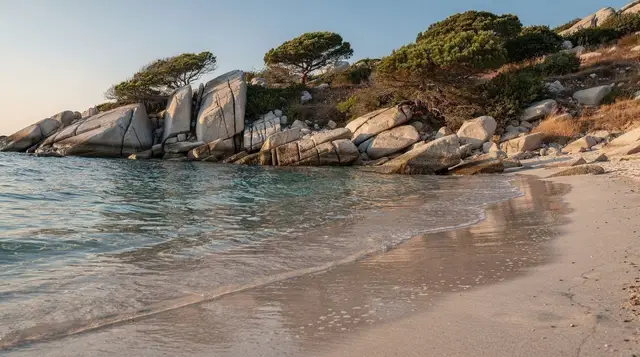
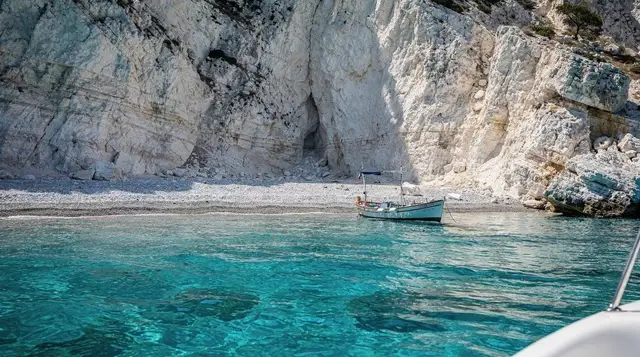
These are our own photographs of Sardinia, not the operator's pictures of this tour — open the tour page to see those.