Sardinia at Christmas and in winter, once the coast shuts down
Winter in Sardinia is a genuinely different island to the one on the postcards — the coastal resort towns that fill up in August largely close down, but Cagliari, Sassari and the interior towns keep going year-round, and the island’s own population still lives its normal life through it. It’s not a season for a beach holiday, but it’s not a dead island either, and Christmas specifically brings its own traditions worth knowing about if you’re visiting outside the usual window.
| What closes | Most coastal-resort hotels, restaurants and boat tours from November to March |
| What stays open | Cagliari, Alghero and Sassari’s town centres, museums, and inland agriturismi |
| Temperatures | 10-15°C on the coast by day, colder and occasionally snowy in the Gennargentu interior |
| Why visit anyway | Christmas markets, uncrowded cities, and prices at their lowest of the year |
What actually closes
Covered in more general terms in Sardinia in winter, the honest picture is that seasonal resort towns built almost entirely around summer tourism — much of the Costa Smeralda, San Teodoro, parts of the Gulf of Orosei coast — genuinely shut for the season, with hotels, restaurants and boat operators closing between roughly November and Easter. This isn’t a partial slowdown; entire towns can feel semi-abandoned outside the handful of businesses that serve the local population year-round.
What stays open, and works well
Cagliari, Alghero and Sassari are real, year-round cities and function normally through winter — restaurants, museums and daily life continue regardless of the season, and Cagliari in particular gets genuinely festive for Christmas, with a market and lights around the old town. Nuoro and the Barbagia interior also stay active, partly because their economy was never built around beach tourism in the first place, and this is also carnival season territory once January and February arrive — see the carnival guide for how that overlaps.
Sardinian pasta cooking class with a three-course dinner in CagliariChristmas traditions specifically
Sardinian Christmas food traditions centre on seafood on Christmas Eve and a substantial roast — often porceddu — for Christmas Day itself, with seadas and other honey-based sweets appearing across the holiday period specifically, beyond their usual role as a summer dessert. Cagliari’s Christmas market runs through December in the old town, and midnight mass at the city’s churches is a genuine local event rather than a tourist spectacle. It’s a quieter, more domestic version of the island than the one most visitors ever see.
Cagliari wine tasting and winery tourIndoor activities that work regardless of weather
Winter is exactly when Sardinia’s museums and best caves come into their own — both work as well or better without the summer queues, and a wet or cold day is precisely when a proper museum visit or a guided cave tour justifies itself. Rainy day ideas covers the same logic for a single bad-weather day within a longer trip, but in winter it’s closer to the default plan than a backup one.
Museum of Mediterranean Masks tour in MamoiadaWinter hiking, when the Supramonte is at its best
Counterintuitively, winter is a strong season for hiking in Sardinia in the areas that hold up to it — the Supramonte around Oliena sees far fewer walkers than in summer, cooler temperatures that make the steeper trails to Tiscali genuinely more comfortable, and none of the heat that makes a summer ascent of Punta La Marmora and the Gennargentu hard going. Snow does close the very highest routes on occasion, so checking conditions before a specific winter hike matters more than it does the rest of the year.
Guided hike to Tiscali from OlienaNew Year and Epiphany
Capodanno (New Year’s Eve) is marked with fireworks and open-air gatherings in Cagliari’s old town and in most sizeable towns across the island, a livelier, more public counterpart to the domestic feel of Christmas Day itself. Epiphany on 6 January, when La Befana traditionally brings sweets to children who behaved and coal (usually the edible sugar kind) to those who didn’t, closes out the holiday season and is generally when the last of the coastal towns’ Christmas lights and markets pack up for winter proper.
Cheapest time to visit Sardinia covers how prices behave around this specific stretch of the calendar, including the smaller price bump around Christmas and New Year itself before winter’s lowest rates return in January.
The interior gets genuinely cold
The Gennargentu massif and the Barbagia interior, including areas around Fonni and Aritzo, sit at real altitude and see occasional snow in December and January — a detail that surprises visitors who picture Sardinia purely as a beach island. It’s not ski-resort territory, but it’s genuinely cold enough for a coat and boots, a sharp contrast to the coast on the same day.
A quieter version of the coastal towns
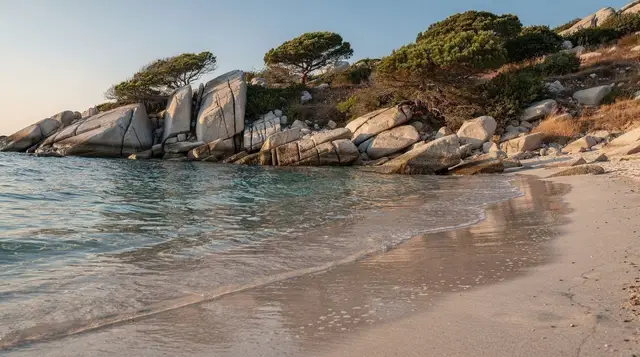
Even the resort towns that shut their hotels and restaurants for the season aren’t entirely lifeless in winter — a walk along an empty San Teodoro beach or through a closed-up Costa Smeralda marina has its own stark appeal, a genuinely different way to see a place most visitors only know at its most crowded. It’s not a destination in itself, more a detour worth an hour if you’re already driving past, since there’s little to actually do there once the doors are shut for the season.
Wellness as a winter alternative
With swimming off the table for most of the season, spa and wellness in Sardinia and the island’s thermal baths become a genuinely sensible substitute — several of the island’s thermal springs run year-round regardless of sea temperature, and a winter spa day pairs naturally with a Cagliari or Sassari city break.
Frequently asked questions about Sardinia in winter
Is Sardinia open in winter?
Yes, but selectively — Cagliari, Alghero, Sassari and the interior function normally year-round, while resort towns built around summer tourism largely close from November to Easter.
What is Christmas like in Sardinia?
A genuinely local, domestic celebration centred on seafood on Christmas Eve, a roast (often porceddu) on Christmas Day, honey-based sweets, and a Christmas market in Cagliari’s old town through December.
Does it snow in Sardinia?
Not on the coast, but the Gennargentu massif and parts of the Barbagia interior see occasional snow in December and January.
Is it worth visiting Sardinia in winter if I want a beach holiday?
No — winter is not a beach season here. It works well for culture, food, museums and cities, not for swimming or coastal resort life.
Are prices lower in Sardinia in winter?
Yes, noticeably — accommodation and flights are at their cheapest of the year outside the Christmas and carnival peaks specifically.
What should I pack for Sardinia in winter?
Layers and a proper coat, especially for the interior — coastal towns are mild by day but the Barbagia and Gennargentu areas get genuinely cold.
Is winter a good time to go hiking in Sardinia?
Yes, particularly in the Supramonte around Oliena, where cooler temperatures and far fewer walkers make routes like the hike to Tiscali more comfortable than in summer heat; check conditions before attempting the highest Gennargentu trails, since snow can close them.
What happens in Sardinia around New Year?
Fireworks and open-air gatherings in Cagliari and most towns on New Year’s Eve, followed by a quieter run to Epiphany on 6 January, when the last Christmas lights and markets close for the season.
Seasonal experiences on GetYourGuide
Verified deep-linked GetYourGuide tours. Book through these links and we earn a small commission at no cost to you.
These are our own photographs of Sardinia, not the operator's pictures of this tour — open the tour page to see those.