| Where | Northern tip of Sant’Antioco island, south-west Sardinia |
| Known for | Ligurian-Tabarkin heritage shared with Carloforte, quieter beaches |
| Getting there | By car via the Sant’Antioco causeway; ferry onward to San Pietro |
| Cost | Ferry to San Pietro a few euros per person; boat tours €40-85pp |
| Best time | May-October for beaches and boat trips |
Carloforte’s quieter sibling
Calasetta sits directly across the water from Carloforte on San Pietro island, and shares much of the same origin story: settled in 1770 by Ligurian families from the same Tabarkin community — descendants of settlers who had lived for two centuries on Tabarka, off the Tunisian coast — resettled here by the Kingdom of Sardinia a few decades after Carloforte itself was founded. The result is a town with a genuinely similar heritage and dialect to its more famous neighbour, but with a fraction of the visitor numbers, a compact grid-planned old town, and a noticeably slower pace even in August.
A working ferry town, not a resort
Calasetta’s most practical role for most visitors is as the departure point for the regular ferry to San Pietro island and Carloforte, a crossing of 35-40 minutes that runs frequently through the season. That makes the town a natural base for anyone splitting time between Sant’Antioco and San Pietro without wanting to relocate accommodation between the two, and it’s worth treating as more than a boarding point — the old town’s Ligurian-style streets and a handful of quiet beaches just outside the centre reward an hour or two of unhurried walking before or after a crossing.
Sailing between Calasetta and Carloforte
The channel between Calasetta and San Pietro, with Sant’Antioco sitting just behind, gives sheltered water well suited to sailing — calmer than the open west coast further north. The sailing tour linking Sant’Antioco, Calasetta and Carloforte covers all three points in one route, typically with a swim stop worked in, and is a genuinely good way to see how closely connected this small cluster of communities is despite being spread across two islands.
For visitors wanting Carloforte’s tuna-trap heritage specifically, the Carloforte tonnara guided tour is reachable via the same short ferry crossing from Calasetta.
Quiet beaches without the Carloforte crowds
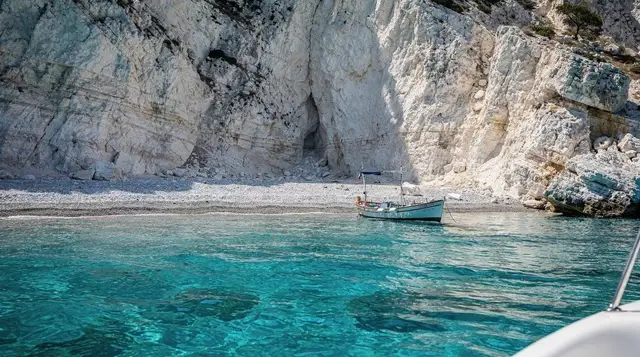
Calasetta’s own beaches sit just outside the old town, sandy and considerably less busy than anything on the Carloforte side of the channel even in peak season — a reasonable choice for visitors who want straightforward swimming without the harbour-town bustle. For a fuller day on the water, the full-day boat trip with snorkelling from Sant’Antioco, departing a short drive south, covers more coastline with multiple swim stops if a single beach isn’t enough.
Getting there and around
Calasetta is reached by car via the causeway connecting Sant’Antioco to the mainland — no ferry needed for this leg — then a drive to the island’s northern tip. From Cagliari, budget around 90 minutes to Sant’Antioco via the SS130 and SS126, plus the drive across the island to Calasetta itself; see our driving in Sardinia guide for why road speeds run lower than distances on a map suggest. The ferry onward to San Pietro island runs regularly in season directly from Calasetta’s small harbour.
The old town’s grid-planned streets
Unlike the organically grown lanes of many older Sardinian towns, Calasetta’s centre was laid out on a deliberate grid when the settlers arrived in 1770, giving it a tidier, more orderly feel than Carloforte’s tighter, older harbour streets. Low, pastel-washed houses line straight lanes running down toward the water, and the town’s small main square sits a short walk from both the ferry terminal and the nearest beach — a genuinely compact layout that rewards arriving without a fixed plan and simply wandering for half an hour before deciding what’s next. Look out for the town’s parish church, a plain but well-kept Ligurian-style building typical of the wider Tabarkin settlements on this stretch of coast.
Eating in Calasetta
Calasetta’s food follows the same Tabarkin traditions found in Carloforte — tuna prepared several ways and cascà, the local couscous inherited from the community’s earlier North African trading links — but with a noticeably smaller and more local set of restaurants rather than a tourist-facing harbourfront strip.
That’s part of the appeal for visitors who’ve already eaten well in Carloforte and want a quieter, less crowded version of the same cuisine; booking ahead in August is still sensible, since the choice of tables is genuinely limited compared with the larger town across the water. Our what to eat in Sardinia guide covers where Tabarkin cooking fits alongside the island’s other regional food traditions.
Weather and sea conditions
The channel between Calasetta and San Pietro sees the same maestrale wind pattern that affects much of Sardinia’s west-facing coast, typically strongest in spring and autumn and calmer through the core summer months. Mornings tend to be the most reliable window for a smooth ferry crossing or a calm sailing tour, and operators will often shift a booking earlier in the day if the afternoon forecast looks marginal. Because this corner of Sardinia sees a fraction of the visitor numbers found further north, last-minute changes are easier to work around than with larger operators running fixed daily schedules on the Costa Smeralda.
Where to stay
Calasetta has a modest but genuine range of small hotels and guesthouses, generally simpler and less expensive than equivalent options in Carloforte, reflecting the town’s lower profile rather than any real drop in quality. Basing yourself here works well if a quieter, more local atmosphere matters more than proximity to Carloforte’s wider choice of restaurants and shops — the ferry crossing is short enough that Carloforte itself remains easily reachable for an evening out. Booking ahead in July and August is still worth doing, since the smaller number of rooms fills faster relative to demand than the numbers might suggest.
A slower pace than Carloforte’s peak-season bustle
Even at the height of August, Calasetta rarely reaches the density of visitors found across the water in Carloforte, and that gap widens further outside the core summer months. For travellers who’ve already spent a day or two in the busier towns further north — Alghero or the Costa Smeralda — Calasetta offers a genuine change of pace: fewer tour groups, quieter restaurants, and a sense of a town that continues much as it always has regardless of the season’s visitor numbers.
That’s not for everyone — anyone wanting a wide choice of evening entertainment or late-night dining will find Carloforte, or the mainland towns further north, a better fit — but for a slower day or two built around walking, a short ferry crossing and simple local food, Calasetta delivers exactly what it promises.
Combining Calasetta with the rest of the south-west
Calasetta works best as one stop on a wider south-west Sardinia loop rather than a standalone destination. Pair it with Sant’Antioco’s Phoenician-Punic archaeology, a ferry crossing to Carloforte for the tonnara heritage and Tabarkin food, and the Sulcis-Iglesiente’s mining-heritage coastline further north around Iglesias. Our south Sardinia 7-day itinerary covers how to sequence this corner of the island into a longer route, and our Carloforte and Sant’Antioco boat tours guide breaks down pricing and routes across the whole area.
Frequently asked questions about visiting Calasetta
How is Calasetta different from Carloforte?
Both share Ligurian-Tabarkin heritage and dialect, but Calasetta sees far fewer visitors, has a smaller and quieter old town, and its own beaches rather than Carloforte’s harbourfront restaurant scene.
How long is the ferry from Calasetta to San Pietro?
Around 35-40 minutes, with frequent sailings through the season.
Is Calasetta worth visiting if I’m already going to Carloforte?
Yes, if time allows — it’s a short ferry ride away and gives a genuinely quieter, less touristed version of the same Ligurian-Tabarkin heritage, plus its own beaches.
Do I need a car to explore Calasetta?
A car is useful for reaching the town via the Sant’Antioco causeway and for onward exploration of the island, but the old town and nearby beaches themselves are easily walkable once you’ve arrived.
What’s the best time of year to visit?
May to October for warm weather and reliable ferry schedules; the town is genuinely quiet outside the summer season, with limited restaurant and accommodation options open.
Are Calasetta’s beaches suitable for children?
Yes — the beaches just outside the old town have calm, shallow water and see far fewer visitors than equivalent spots near Carloforte, making them a straightforward choice for families.
Can I do a day trip to Carloforte from Calasetta without a car on the other side?
Yes — Carloforte’s old town and harbourfront are entirely walkable from the ferry terminal, so a car isn’t needed once you’ve crossed, only for reaching Calasetta’s own harbour beforehand.
Is Calasetta a good base for exploring the whole south-west corner?
Yes, particularly if a quieter base matters more than proximity to a wide choice of restaurants — Sant’Antioco’s archaeology and Carloforte’s harbour are both within easy reach by car or short ferry.
How does Calasetta compare to basing yourself on Sant’Antioco itself?
Sant’Antioco offers a wider spread of accommodation and its own archaeological sites without a ferry crossing at all; Calasetta trades some of that range for a quieter, more purely Ligurian-Tabarkin atmosphere and direct ferry access to Carloforte from its own harbour.