Visiting Sardinia without a car, what's realistic
Can you visit Sardinia without a car?
Yes, but with real limits — base yourself in a town like Cagliari, Alghero or Olbia and use trains, buses, boat tours and taxis to fill the gaps, rather than trying to cover the whole island. Most of Sardinia's best beaches and interior sights sit well beyond public transport's reach, so a car-free trip works best as a shorter, town-centred stay rather than a full island tour.
Nearly every practical guide to Sardinia says the same thing: rent a car. That’s genuinely the easiest way to see the island, and this site says it repeatedly for good reason — buses and trains barely reach the coastline, and the roads that do exist are slow, single-carriageway routes averaging around 60 km/h outside the SS131. But a car-free trip isn’t impossible, it just needs a different shape than a typical Sardinia itinerary. This guide covers what genuinely works.
| Works well without a car | Town-based stays: Cagliari, Alghero, Olbia |
| Doesn’t work well | Beach-hopping, the interior, multi-region road trips |
| Key substitutes | Boat tours, organised excursions, e-bikes, taxis |
| Realistic trip length | 3-5 days centred on one town |
| Biggest gap | Reaching specific beaches and coves |
Getting to Sardinia without needing a car on arrival
Arriving without a car starts with choosing the right entry point — Cagliari-Elmas is the strongest option purely because of its train link straight into the city, letting you reach your base without a taxi or transfer at all if you’re staying centrally. Olbia and Alghero-Fertilia both work too, but rely on a bus, taxi or pre-booked transfer rather than rail — see getting to Sardinia by air for the full comparison, and ferries to Sardinia if arriving by boat as a foot passenger rather than flying in.
Base yourself in one town
The single most important decision for a car-free trip is picking one base and staying there, rather than trying to move between regions the way a road-trip itinerary would. Cagliari, Alghero and Olbia all work reasonably well as bases — each has a walkable centre, transport links (Cagliari’s airport train, in particular), and enough nearby boat tours and excursions to fill several days without needing to drive anywhere yourself.
What genuinely works without a car
Boat tours are the biggest single substitute for a hire car in a Sardinian itinerary — Cagliari boat tours, Alghero and Capo Caccia boat trips and similar operators pick up directly from town ports, reaching coastline and coves a bus never could. Guided land excursions — quad tours, jeep tours, horseback rides — do the same job inland, covering countryside and archaeological sites with transport included in the price.
Rental bike delivery anywhere in SardiniaBikes for short-range independence
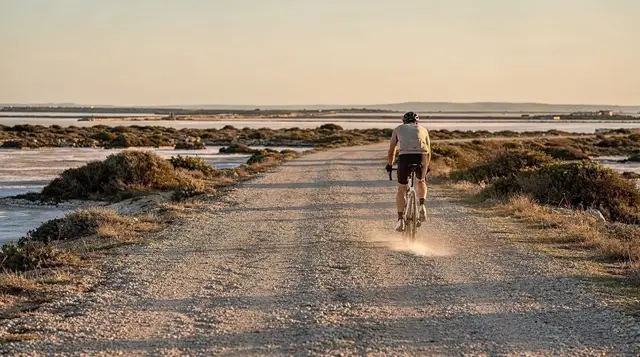
For getting around a base town and its immediate surroundings at your own pace rather than on a tour’s schedule, a rental bike — including e-bikes for hillier stretches — genuinely closes some of the gap a car would otherwise fill. A bike collected near Cagliari’s port area can reach the Molentargius wetland and Poetto beach without needing a bus at all.
Bike rental, Cagliari port, Su Siccu and MolentargiusDay excursions that do the driving for you
Beyond boat tours, land-based guided excursions — 4x4 and jeep tours, quad adventures, horseback rides — solve the interior-access problem a car-free itinerary otherwise struggles with, since transport, a knowledgeable guide and often lunch are bundled into a single booking departing from your base town. These cost more per day than self-driving would, but they remove every piece of logistics a hire car requires: navigation, parking, insurance, fuel and the general unfamiliarity of driving on unmarked rural roads. Treat one or two of these as the “car substitute” days in an otherwise walking-and-boat-tour itinerary, concentrated on whichever specific landscape — coastline, mountains, archaeology — matters most to you.
What doesn’t work without a car
Be honest with yourself about a few things a car-free trip can’t really deliver. Beach-hopping between several named coves in a day — a normal car-based itinerary — isn’t realistic by bus, since most beaches sit well beyond the nearest stop. The interior — Barbagia, the Gennargentu, villages like Fonni or Aritzo — is served by thin, infrequent ARST routes that make a spontaneous visit difficult. And a multi-region trip crossing from, say, the Costa Smeralda to the south coast simply isn’t practical without a hire car or a series of expensive transfers.
Packing and planning differently for a car-free trip
A car-free itinerary rewards lighter luggage than a car-based road trip — you’ll be walking more, relying on taxis and buses with limited luggage space, and possibly navigating old town centres with cobbled streets and steps rather than parking directly outside your accommodation. Book accommodation genuinely close to a town centre or a boat tour departure point rather than a scenic but isolated option that assumes a car for every trip out; check the exact walking distance on a map rather than trusting a listing’s description of “a short walk” at face value. Building in slightly more flexible timing than a car-based trip is also sensible, since a bus or boat tour running late has knock-on effects a private car wouldn’t.
Weather and seasonal considerations
Boat tours, the backbone of a car-free itinerary’s beach access, are weather-dependent in a way driving to a beach isn’t — a windy day can mean a cancelled or rerouted sailing, particularly in the shoulder months either side of summer. Building a day or two of slack into a car-free itinerary is worth it precisely because a missed boat tour has fewer easy alternatives than simply driving to a different beach the next day would. Peak summer (July-August) is genuinely the most reliable season for a car-free trip specifically because tour frequency and reliability both peak alongside demand — outside that window, fewer daily departures mean less flexibility if one gets cancelled.
Filling the gaps with taxis and transfers
For the occasional trip a bus timetable doesn’t cover — an early excursion pickup, a late dinner reservation outside town, an airport transfer — taxis and pre-booked private transfers are the practical fallback, and worth budgeting for rather than trying to force everything onto public transport. See public transport in Sardinia for the fuller picture on trains and buses, and the individual airport guides — Cagliari-Elmas, Olbia, Alghero-Fertilia — for arrival transfers.
Private transfer to or from Cagliari airportA sample five-day car-free itinerary from Cagliari
A concrete version of this shape might run: day one, arrive via the airport train and settle into the old town, exploring things to do in Cagliari on foot; day two, a boat tour from the port covering the south coast’s coves and grottoes; day three, a bike day out to Poetto beach and the Molentargius flamingo wetland; day four, a full-day guided excursion — quad, jeep or horseback — into the countryside around Villasimius or Chia with transport included; day five, a final morning in the city before an airport transfer.
This covers beaches, wildlife, countryside and city culture without a single self-driven kilometre, though it’s noticeably narrower in geographic scope than a car-based week that might cover the whole south coast and parts of the interior.
Bike rental, Cagliari port, Su Siccu and MolentargiusBudgeting for a car-free trip
A realistic daily budget for the substitutes that replace a hire car — a boat tour, an occasional taxi, a bike rental day — runs somewhere between €40 and €100 per person depending on how many organised excursions you book, comparable to or sometimes higher than a modest hire car split among a small group. The trade-off isn’t purely financial: a car-free trip removes the mental overhead of unfamiliar roads, parking in old town centres with narrow streets built long before cars existed, and the general logistics of driving in a country with different rules and road markings, which is worth something to travellers who find that stressful rather than enjoyable.
Who a car-free trip suits, and who it doesn’t
This style of trip suits first-time visitors testing whether they like Sardinia enough to plan a longer, car-based return; travellers without a driving licence or who are uncomfortable driving abroad; and anyone prioritising a relaxed, low-logistics holiday over covering maximum ground. It suits poorly anyone whose main goal is visiting several named beaches across different regions, exploring the interior villages of Barbagia in depth, or combining multiple bases across the island in one trip — all genuinely need a hire car or a much larger transfer budget than a town-based stay requires.
A realistic car-free itinerary shape
A workable car-free trip looks less like a tour of the island and more like a slower, town-centred stay: three to five nights in one base, a couple of boat tours, a bike day, and maybe one organised day-excursion further afield with transport included. It suits travellers who want a relaxed, lower-effort holiday over those trying to tick off every named beach and nuraghe the island has — for that, see how many days do you need in Sardinia for how a car-based trip compares in scope.
Comparing car-free bases
| Base | Strengths without a car | Weak points |
|---|---|---|
| Cagliari | Airport train, city beaches, many boat tours | South coast coves still need a tour or taxi |
| Alghero | Walkable old town, e-bike coastline, boat trips | Capo Caccia’s far side needs a tour |
| Olbia | Central, some train connections south | Costa Smeralda’s best coves need transfers |
The Trenitalia mainline: an overlooked option
Most car-free planning focuses on buses and boats, but Sardinia does have one genuine rail line worth knowing about: Trenitalia’s route linking Cagliari, Oristano, Sassari and Porto Torres, running several times a day along the island’s western interior.
It won’t reach a single beach directly, but it’s a useful, cheap way to combine two town-based stays without a bus transfer or a taxi between them — a Cagliari-based week followed by a few days in Alghero, for instance, can start with a train to Sassari and a short onward bus or taxi rather than a full day lost to bus connections. Tickets are inexpensive, generally well under €15 for the longest single-direction journeys, and trains run to a genuinely reliable timetable compared with rural ARST bus routes.
Realistic daily costs without a car
A car-free trip doesn’t automatically cost less than a self-drive one, and it’s worth budgeting honestly rather than assuming public transport savings offset everything else. A typical day built around one boat tour or guided excursion, plus a bike rental or a couple of short taxi hops, runs somewhere between €50 and €90 per person — comparable to, and on some days higher than, the daily cost of a modest hire car split between two or three travellers. Where the car-free approach genuinely saves money is on parking, fuel and insurance, none of which apply, and on accommodation, since staying centrally in one town for several nights is often cheaper overall than a multi-region road trip with a new hotel every night or two.
Frequently asked questions about visiting Sardinia car-free
Is it possible to see Sardinia’s beaches without a car?
To an extent, via boat tours from towns like Cagliari and Alghero, which reach coves a bus can’t — but you won’t cover nearly as much ground as a car-based itinerary would.
Which Sardinian town is easiest to visit without a car?
Cagliari, mainly because of its direct airport train link and the range of boat tours and excursions departing from its port.
Can I do a Sardinia road trip without renting a car?
Not really — a multi-region itinerary genuinely depends on a hire car; public transport and transfers alone make it slow and expensive by comparison.
How do I get around a base town without a car?
Walking, rental bikes or e-bikes, local buses and taxis all work well within and immediately around Cagliari, Alghero or Olbia.
Is a car-free Sardinia trip cheaper overall?
Not necessarily — the boat tours, taxis and transfers that substitute for a hire car add up, and can end up costing close to what a modest car rental would.
What’s the biggest limitation of visiting Sardinia without a car?
Reaching specific beaches and the interior — both are the parts of Sardinia public transport serves worst, and where a car-free trip has to lean hardest on organised tours instead.
How many days should a car-free Sardinia trip be?
Three to five nights centred on a single base works best — long enough to fill with boat tours, a bike day and one bigger excursion, without the trip needing to stretch into multi-region travel that a car-free itinerary struggles with.
Is a car-free trip a good idea for a first visit to Sardinia?
It can be, especially for testing whether the island suits you before planning a longer, car-based return — it trades geographic coverage for a lower-logistics, more relaxed style of holiday.
Do I need a driving licence to enjoy Sardinia?
No — a car-free trip built around one base, boat tours and organised excursions is a genuine option for travellers without a licence or who prefer not to drive abroad, though it does mean seeing less of the island overall.
Transport passes & transfers on GetYourGuide
Verified deep-linked GetYourGuide tours. Book through these links and we earn a small commission at no cost to you.
These are our own photographs of Sardinia, not the operator's pictures of this tour — open the tour page to see those.