Kitesurfing in Sardinia
Where is the best kitesurfing in Sardinia?
Porto Pollo in Gallura is the island's undisputed kitesurfing capital, thanks to a shallow, flat-water lagoon on one side of the peninsula and a choppier open-water bay on the other, both catching reliable thermal and mistral winds through summer. Chia and Porto Botte in the south are the main alternatives when the wind sits in the southwest.
Sardinia’s northern coast catches wind the way its southern beaches catch sunbathers, and nowhere illustrates that better than Porto Pollo, a narrow peninsula in Gallura that’s been a fixture on the European kitesurfing calendar for decades. The island as a whole isn’t a single kite destination so much as a handful of genuinely world-class spots surrounded by a lot of ordinary Mediterranean coastline, and knowing which is which saves a wasted trip.
International kitesurfers who travel specifically for wind reliability tend to rate Porto Pollo alongside long-established names like Tarifa in Spain or Fuerteventura’s north shore, albeit on a smaller scale — fewer kites in the water on any given day, a shorter core season, and noticeably less built-up infrastructure around the spot itself. That smaller scale is arguably part of the appeal for kiters who’ve already experienced the more crowded, commercialised spots elsewhere in Europe and are looking for comparable wind without the queue to launch.
| Main spot | Porto Pollo, Gallura — flat-water lagoon and open-water bay on either side of the same peninsula |
| Other spots | Chia and Porto Botte (south), useful when the wind is southwesterly |
| Wind season | April to October, with the mistral and thermal winds most reliable June to September |
| Lesson cost | €50-80 per hour for private tuition, €200-350 for a multi-day beginner package |
Porto Pollo: why it’s the reference point
Porto Pollo sits on a thin isthmus connecting the Sardinian mainland to a small headland, which gives it a genuinely unusual layout for a kite spot: a shallow, largely flat lagoon on the sheltered side, ideal for beginners and for freestyle practice, and a choppier, more open bay on the other side that suits wave riders and more advanced kiters, all within a short walk of each other.
The wind here is driven by a combination of the region’s prevailing mistral and a reliable thermal effect through the channel toward La Maddalena, which is why Porto Pollo posts wind on the vast majority of summer days rather than the hit-or-miss pattern found elsewhere on the island. The dedicated Porto Pollo windsurfing guide covers the same spot from a windsurfing angle, and most of what it says about wind reliability applies equally to kiting.
A spot that rewards more than one visit
Repeat visitors to Porto Pollo often say the spot reveals itself differently depending on the time of year and even the time of day, and that’s a large part of why it keeps a loyal following of kiters who return year after year rather than treating it as a one-off destination.
An early May trip, before the peak crowds and with the wind already establishing its summer pattern, feels genuinely different from a packed August week, and a late-September session, with the water still warm but the beach visibly quieter, is a favourite among locals for exactly that reason. Anyone weighing up when to visit is generally better served thinking about crowd tolerance and budget than worrying that any part of the core season will deliver noticeably worse wind.
What the lagoon side offers beginners
The lagoon side of Porto Pollo is shallow enough to stand in for a long way out, which matters enormously for anyone learning: it means an instructor can wade alongside a student for most of a lesson rather than relying entirely on radio communication from the beach, and a dropped kite or a fall doesn’t carry the same consequences it would in deep, open water. Several kite schools operate directly from the beach here through the summer season, offering everything from a single taster lesson to full multi-day certification courses, and it’s worth booking a lesson rather than attempting to teach yourself — kitesurfing carries real risk of injury to bystanders as well as the kiter if the basics aren’t learned properly.
Watching before you rig
Even experienced kiters visiting Porto Pollo for the first time do well to spend twenty minutes watching the water before rigging their own kite, since the spot’s dual character means conditions genuinely differ from one side of the isthmus to the other on any given day. Watching how local riders position themselves relative to the wind, where they launch from, and how far offshore the lagoon’s shallow water actually extends gives a far better read of the day’s conditions than a forecast alone can provide, and it’s a habit that experienced Porto Pollo regulars maintain even after years of visiting the same beach.
The bay side for progressing riders
Cross to the open-water side of the peninsula and conditions change noticeably: more chop, occasional swell rolling in, and a stronger, gustier wind that suits intermediate and advanced riders working on jumps, transitions or wave riding rather than first lessons. It’s a short walk between the two sides, so a common pattern among visiting kiters is to check both before rigging, since wind strength and direction can favour one side clearly over the other on a given day.
Other spots worth knowing
When the wind sits in the southwest rather than the mistral’s more usual north-northwest, Porto Pollo can go quiet while the south of the island picks up. Chia and the Porto Botte lagoon near Teulada are the main southern alternatives, both with shallower water and a smaller but committed kiting scene, useful to know if you’re basing yourself around Cagliari rather than making the drive north. Neither matches Porto Pollo’s wind consistency, but both are worth checking on a forecast that shows southwesterly flow.
What lessons and rental cost
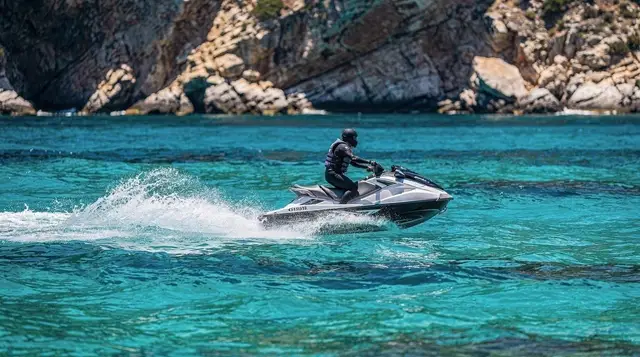
A private one-hour lesson typically runs €50-80, while a structured beginner course spread over three to five days, enough to reach independent basic control, costs roughly €200-350 including equipment. Experienced kiters bringing their own gear can usually rent a patch of beach and launch space informally at Porto Pollo for a nominal fee or none at all, though checking in with one of the beach schools first avoids launch conflicts on a crowded day. If you’d rather try a different powered water activity while you’re in the area, a jet ski tour from the Alghero coast is a straightforward, no-lesson-required alternative:
Jet ski tour along the Alghero coastlineIf the wind doesn’t cooperate
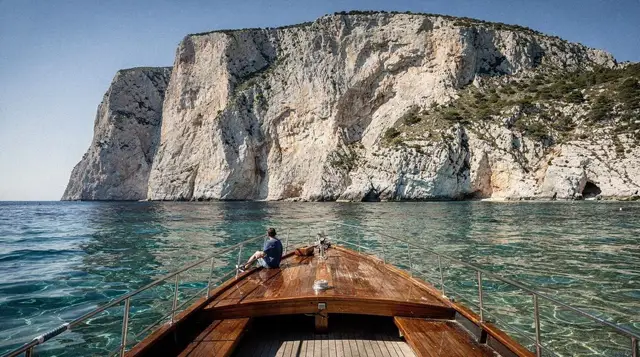
Kitesurfing is entirely wind-dependent, and even Porto Pollo has calm days, particularly outside the core summer months. A boat tour that combines snorkelling and stand-up paddleboarding is a sensible fallback for a windless morning, giving you time on the water without needing any wind at all:
Boat tour with snorkelling and stand-up paddleboarding from AlgheroFor a calmer, rental-based option nearer Cagliari, stand-up paddle and kayak rental at Villasimius works the same way as a no-wind backup plan in the south:
Stand-up paddle and kayak rental at VillasimiusWhat to pack and what to rent
Visiting kiters travelling with their own gear should bring a range of kite sizes if possible — Porto Pollo’s wind can vary noticeably between a light morning thermal and a fuller afternoon mistral, and a single kite size will leave you either underpowered or overpowered on at least some days.
Those without their own kit shouldn’t worry: rental fleets at the beach schools cover a full range of kite sizes and board types, from twin-tips for freestyle to directional boards for wave riding on the bay side, and staff are generally happy to swap equipment through the day as wind conditions change. A harness, whether waist or seat style, is usually included in rental packages, though experienced kiters with a strong personal preference may want to bring their own for comfort on longer sessions.
Where to stay and eat nearby
Porto Pollo itself has limited facilities — a few beach bars and simple places to eat rather than a full resort infrastructure — which suits the spot’s slightly rough, sport-focused character but means most visitors base themselves a short drive away.
Palau offers the widest choice of restaurants, accommodation and evening options within easy reach of the beach, while Santa Teresa Gallura, a little further north, adds a livelier old-town feel and the option of a day trip across to Corsica when the wind takes a rest day. Both towns fill up in peak summer, so booking accommodation well ahead for July and August dates is worth doing regardless of how flexible your kiting schedule needs to be.
Kitesurfing etiquette on a crowded beach
Porto Pollo gets genuinely busy in peak summer, with dozens of kites in the air on a good wind day, and a working knowledge of right-of-way rules matters as much for your own safety as for other people’s. The kiter on starboard tack (wind coming over the right shoulder) generally has right of way over one on port tack, downwind riders have priority over those heading upwind, and launching or landing a kite always requires a helper on a crowded beach rather than attempting it solo. Local schools and experienced regulars are generally happy to explain the specific local patterns and the safest stretch of beach to launch from if you ask before rigging for the first time.
Getting to Porto Pollo
Porto Pollo sits a short drive from Palau and Olbia, the latter served by Olbia Costa Smeralda airport — see the Olbia airport guide for transfer options. A hire car is genuinely necessary here; public transport to this stretch of coast is thin and inconvenient for anyone carrying kite gear. Driving in Sardinia covers what to expect on the roads generally.
Progressing beyond beginner level
Once basic control is established, most kiters spend a season or two working on water starts, riding upwind confidently, and their first small jumps, all of which Porto Pollo’s lagoon accommodates well thanks to its consistent, moderate wind and shallow, forgiving water for the inevitable crashes involved in learning these skills.
Moving across to the bay side marks the next real step, typically once a rider can comfortably ride upwind in both directions and self-rescue if needed, since help from the beach is less immediate there than in the lagoon. Local schools often run informal coaching sessions for intermediate riders working on specific skills like jumping or transitions, worth asking about if you’re returning to Porto Pollo after an initial beginner trip rather than starting from scratch again.
When to go
The wind season runs roughly April to October, with June through September the most dependable stretch for both wind and water temperature. Locals and repeat visitors often rate late spring and early autumn as the sweet spot — still windy, noticeably less crowded than peak August, and with accommodation prices in nearby Palau and Santa Teresa Gallura well below their summer peak.
Fitting kitesurfing into a longer Gallura trip
Most visiting kiters aren’t spending an entire holiday purely at Porto Pollo, and the surrounding Gallura region gives plenty to fill rest days or the mornings before an afternoon session once the thermal wind has built. The granite coastline around Palau and Santa Teresa Gallura offers some of the island’s most striking rock formations, easily explored by car in a couple of hours, while a ferry day trip to La Maddalena makes a straightforward change of pace that doesn’t require any kite gear at all.
Building a trip around a loose plan — kite when the wind is good, sightsee when it isn’t — tends to work far better here than a rigid day-by-day itinerary, since Porto Pollo’s wind, while reliable by Mediterranean standards, still varies enough day to day to reward flexibility.
Frequently asked questions about kitesurfing in Sardinia
Is Porto Pollo suitable for complete beginners?
Yes, the lagoon side specifically — shallow water and a sandy bottom make it one of the more forgiving beginner kite spots in Europe, provided you take proper lessons rather than teaching yourself.
How windy does it get at Porto Pollo?
Wind is reliable through summer, commonly in the 15-25 knot range on a good thermal or mistral day, though it varies and checking a same-day forecast before rigging is standard practice.
Do I need my own equipment?
No, beach schools at Porto Pollo rent full kite setups, and most visiting kiters without their own gear rely on rental rather than bringing kites on a flight.
Is there a difference between the lagoon and the bay side?
Yes — the lagoon is shallow, flat and beginner-friendly, while the bay side is choppier, gustier and better suited to intermediate and advanced riders.
What’s the best month for wind?
July and August are the most reliably windy but also the most crowded; June and September offer nearly as much wind with noticeably fewer people on the water.
Can I kitesurf elsewhere in Sardinia if Porto Pollo is flat?
Chia and Porto Botte in the south pick up when the wind is southwesterly, though neither matches Porto Pollo’s overall consistency.
Is accommodation available right at Porto Pollo?
Options directly at the spot are simple and limited; most kiters base themselves in nearby Palau or Santa Teresa Gallura and drive the short distance each day.
Do I need my own kite equipment?
No, beach schools rent full kite setups including harnesses, and most visiting kiters, even experienced ones, rent locally rather than fly with bulky kite bags.
Is Porto Pollo suitable for a family kitesurfing holiday?
Yes for a parent who kites while children play or swim in the shallow lagoon under supervision, though the beach itself isn’t a dedicated family resort and facilities beyond the water sports are basic.
How crowded does the water get in August?
Very, on a good wind day — dozens of kiters can be in the water at once, which makes launch etiquette and spatial awareness particularly important during peak season.
Water sports on GetYourGuide
Verified deep-linked GetYourGuide tours. Book through these links and we earn a small commission at no cost to you.
These are our own photographs of Sardinia, not the operator's pictures of this tour — open the tour page to see those.