Spa and wellness in Sardinia
Does Sardinia have good spa and wellness options?
Yes, on two different tracks — resort hotel spas with thalassotherapy pools and treatment menus, concentrated around the Costa Smeralda and Alghero, and natural thermal springs inland at Fordongianus, Sardara and Benetutti. Sardinia's reputation as a Blue Zone also means outdoor time — walking, swimming, being outside daily — counts as wellness here as much as any treatment does.
Wellness in Sardinia means more than a spa menu
Sardinia is one of the world’s five recognised Blue Zones, the regions where people live measurably longer than average, and the Barbagia mountains in the island’s interior are the specific area behind that reputation. That fact shapes how wellness works here: alongside conventional hotel spas and thalassotherapy centres on the coast, there’s a strong local case for treating daily outdoor movement, real food and slower days as the wellness that actually matters. This guide covers both — the treatment-menu version and the outdoor version — because both are genuinely part of how Sardinia does wellness.
| Type | Where | What it involves | Season |
|---|---|---|---|
| Resort hotel spas | Costa Smeralda, Alghero, Cagliari | Thalassotherapy, massage, sauna circuits | Year-round |
| Natural thermal springs | Fordongianus, Sardara, Benetutti | Hot mineral water, some Roman-era sites | Year-round |
| Outdoor / active wellness | Alghero coast, Barbagia, south coast | E-biking, horseback riding, hiking, nature | Year-round, best April-October |
| Coastal wellness | Beaches island-wide | Swimming, walking, slow days | May-October |
The Blue Zone, briefly explained
Blue Zones are regions studied for having an unusually high concentration of people living past 100, first identified by demographer Michel Poulain and popularised by researcher Dan Buettner in the early 2000s. Sardinia’s Barbagia — the mountainous interior around Nuoro, Orgosolo, Ogliastra and the Gennargentu range — is one of only five recognised worldwide, alongside Okinawa in Japan, Ikaria in Greece, Nicoya in Costa Rica and Loma Linda in California.
Researchers point to a cluster of factors rather than one cause: a diet built around whole grains, legumes, pecorino cheese and modest wine consumption (Cannonau specifically has been studied for its antioxidant content), daily physical activity built into shepherding and farming life rather than gym sessions, and unusually strong multi-generational social bonds. None of that translates directly into a bookable spa experience, but it does explain why so much of what this guide covers is active and outdoor rather than treatment-room based — that’s genuinely closer to how the region’s longevity culture works.
Resort spas: where they’re concentrated
Sardinia’s higher-end hotel spas cluster in two places: the Costa Smeralda, where several five-star resorts run full thalassotherapy circuits (seawater pools at varying temperatures, hydro-massage jets, saunas and steam rooms) alongside conventional treatment menus, and Alghero, where a handful of resort hotels along the coast toward Porto Conte offer similar but generally lower-priced spa days. A half-day spa access pass at a Costa Smeralda resort typically runs €60-120, sometimes bundled with lunch; treatments are priced separately and start around €70-90 for a standard massage. Alghero’s equivalents run noticeably cheaper, often €40-70 for comparable access.
Cagliari has fewer dedicated spa hotels but several good day-spa options in the city itself, useful for a wellness afternoon that doesn’t require a resort stay — a practical choice for anyone based in the capital for a city-focused visit rather than a beach resort stay. Booking ahead matters more than it might seem: the best-regarded spa hotels on both coasts often cap daily non-guest access to a limited number of slots, and these fill up on summer weekends specifically, when hotel guests already have priority.
Natural thermal springs: the real, if less polished, alternative
Sardinia’s natural hot springs don’t get the marketing that Tuscany’s do, but three are genuinely worth knowing. Fordongianus, in the Oristano region on the Tirso river, has natural water emerging around 54°C at a Roman-era bathing site still in limited use today — the most historically interesting of the three, with visible ruins alongside the working baths.
Sardara, in the Marmilla area, has a modern spa hotel built around its thermal springs, with a full treatment menu and pools open to day visitors as well as hotel guests. Benetutti, inland in the Goceano area, has a more low-key warm spring feeding a public bathing area on the river — the least commercial of the three and the best fit for anyone who wants the experience without a spa-hotel price tag. All three are covered in more depth in our thermal baths of Sardinia guide.
Active wellness: the outdoor version
A meaningful part of what makes Sardinia feel restorative isn’t a treatment room at all — it’s slow, physical time outside, and the island is genuinely well set up for it. Horseback riding through the countryside near Alghero, along the shores of Lake Baratz and through the Porto Ferro dunes, is one of the more distinctive ways to spend a half-day; the guided horseback ride at Lake Baratz and Porto Ferro covers Sardinia’s only natural freshwater lake and the pine-backed dunes around it at an unhurried pace.
Around Cagliari, the panoramic horseback riding tour takes a similar approach on the southern coastline.
E-biking is a lower-effort way to cover more ground while still moving slowly enough to actually notice the landscape. The e-bike tour of Porto Conte regional park runs through protected coastal parkland near Capo Caccia, and the Coral Coast e-bike tour with aperitivo pairs a gentle coastal ride with an evening drink stop — as close as active wellness gets to combining exercise and a proper wind-down in one outing.
For a genuinely different pace and setting, the Barbagia jeep tour with a shepherd’s lunch reaches the Blue Zone’s mountainous interior directly, with a traditional meal at the centre of the day rather than an afterthought — arguably the single experience that connects Sardinia’s longevity reputation to something a visitor can actually do.
Anyone who’d rather walk than ride has plenty of options too; our hiking in Sardinia guide covers routes from easy coastal paths to the Supramonte’s serious trekking, and cycling in Sardinia covers self-guided road and gravel routes for those who want to set their own pace entirely.
Retreats and multi-day wellness stays
A smaller but growing niche in Sardinia is the dedicated multi-day wellness retreat — yoga, guided walking, or a structured programme combining Barbagia hiking with local food and a thermal spring visit, typically run by small independent operators rather than large hotel chains. These tend to be based in or near the interior, since that’s where the combination of scenery, quiet and the Blue Zone connection genuinely comes together, rather than on the busier resort coasts.
They’re a different proposition from a resort spa stay — usually smaller groups, less luxury polish, more emphasis on activity and local immersion — and worth seeking out specifically for anyone whose interest in Sardinian wellness goes beyond a single spa afternoon. They’re less standardised than hotel spas, so checking recent reviews and exactly what’s included (meals, transport, guiding) before booking matters more than it would with an established resort brand.
The coastal version: doing nothing, properly
The simplest form of wellness on offer in Sardinia costs nothing and needs no booking: a slow morning swim before the beaches fill up, a long lunch that runs past two hours, an afternoon with no plan. It sounds like a cliché until you notice how structurally different this is from a typical resort holiday — restaurants across the island genuinely expect diners to linger, beach days aren’t rushed by a packed itinerary, and the whole rhythm of daily life outside the peak-season tourist areas runs slower than most visitors are used to. Building at least one or two unscheduled days into a Sardinia trip, rather than filling every day with tours, is arguably closer to what “wellness” means here than any single spa visit.
Food as part of the wellness picture
It’s worth separating out what “wellness food” means in a Sardinian context, because it isn’t the low-calorie, restrictive version the word often implies elsewhere. Traditional Barbagia meals centre on pane carasau (a thin, twice-baked flatbread that keeps for months, originally made for shepherds spending weeks away from home), pecorino sardo, seasonal vegetables and legumes, with meat — often porceddu, slow-roasted suckling pig — as an occasional rather than daily feature.
Cannonau wine, made from a grape variety with notably high polyphenol content, is drunk regularly but modestly rather than avoided; the Blue Zone research specifically flags the pattern of consumption (a glass or two, most days, with food and company) rather than the wine itself as the relevant factor. A shepherd’s lunch on a Barbagia jeep tour, or a slower meal built around these ingredients rather than resort-standard international menus, is arguably a more authentic “wellness meal” than anything on a spa hotel’s menu. See our Sardinian food and wine guide for the fuller picture of what to actually order.
Planning a wellness-focused visit
May, June, September and October give the best balance for this kind of trip — warm enough for outdoor activity and coastal time without August’s heat and crowds, and spa hotels running full service without peak-season surcharges. A useful structure: a natural thermal spring or resort spa day near the start of a trip to properly slow down, two or three active-wellness half-days spread through the middle (horseback riding, e-biking, a hike), and unscheduled beach time filling whatever’s left. Trying to pack in both a full spa programme and a dense sightseeing schedule tends to undercut the whole point.
What a resort spa circuit actually includes
It’s worth knowing what you’re paying for before booking a half-day thalassotherapy pass, since the term covers a fairly specific format. A typical circuit moves guests through a sequence of seawater pools held at different temperatures — often starting warm and working toward a cold plunge — combined with hydro-massage jets, a sauna, a steam room and sometimes a Turkish-style hammam, usually taken in swimwear with towels and robes provided.
Algotherapy (seaweed-based body treatments) and standalone massages are booked separately from circuit access and priced per treatment rather than included in the entry fee. None of this is unique to Sardinia — it’s the standard European thalassotherapy format — but knowing the shape of it in advance helps set expectations against the price, particularly at the higher end of the Costa Smeralda’s resort spas.
A one-day wellness itinerary near Alghero
For anyone who wants to sample the active and the treatment-room sides of Sardinian wellness in a single day rather than choosing one, Alghero is the easiest place to combine them. Start with a slow morning e-bike ride along the coast toward Porto Conte, back in town by early afternoon; follow it with a spa afternoon at one of the resort hotels along the road to Porto Conte, generally the more affordable equivalent of a Costa Smeralda circuit; then close with a long, unhurried dinner in Alghero’s old town rather than a rushed meal fitted around another activity. It’s a genuinely different pace from a sightseeing-heavy day, and arguably closer to what a wellness trip to Sardinia should actually feel like than a single spa booking on its own.
Frequently asked questions about wellness in Sardinia
Does Sardinia have thermal baths?
Yes — natural hot springs at Fordongianus, Sardara and Benetutti, all inland, with water temperatures and facilities that vary from a modern spa hotel (Sardara) to a basic public bathing area (Benetutti). See our thermal baths of Sardinia guide for details on each.
Why is Sardinia called a Blue Zone?
The Barbagia region in Sardinia’s mountainous interior has one of the world’s highest concentrations of people living past 100, a finding studied since the early 2000s and generally attributed to a combination of diet, daily physical activity and strong social ties rather than any single factor.
Where are Sardinia’s best hotel spas?
Concentrated on the Costa Smeralda for the highest-end thalassotherapy circuits, and around Alghero for a similar but generally more affordable version. Cagliari has fewer resort spas but workable city day-spa options.
Is a wellness trip to Sardinia expensive?
It can be, if built entirely around resort spa days, but the island’s more distinctive wellness experiences — natural springs, horseback riding, unscheduled beach time — are inexpensive by comparison to a five-star spa programme.
What’s the best season for a wellness-focused trip?
May, June, September and October, for warm weather without August’s crowds and heat, and for outdoor activities like horseback riding and e-biking at comfortable temperatures.
Can you do a wellness trip to Sardinia without a car?
It’s difficult — most natural thermal springs and the best active-wellness outings are inland or spread along the coast, areas public transport barely serves. See renting a car in Sardinia for what to expect.
Is Sardinia good for a couples’ wellness trip?
Yes — resort spas on the Costa Smeralda and around Alghero offer couples’ treatment packages, and the slower-paced, less touristy character of the interior and shoulder-season coast suits couples looking for quiet time over a packed sightseeing schedule.
What makes Sardinia’s wellness offering different from a typical Mediterranean spa destination?
Mainly the Blue Zone connection — the outdoor, food- and community-centred version of wellness practised in the Barbagia isn’t replicated at a resort spa anywhere else, and it’s the part of a Sardinian wellness trip most worth prioritising if only one thing fits the schedule.
Thermal spa & wellness experiences
Verified deep-linked GetYourGuide tours. Book through these links and we earn a small commission at no cost to you.
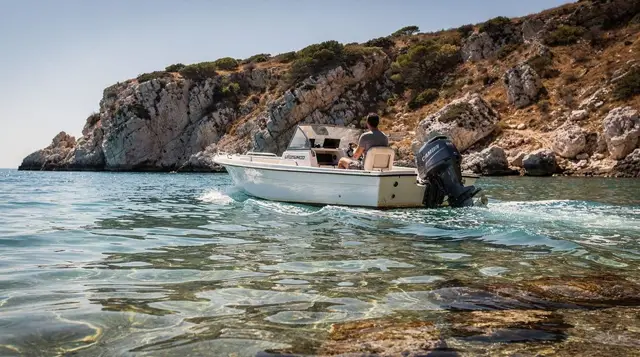
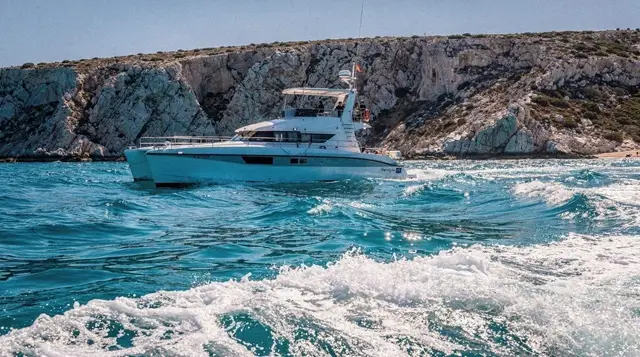
These are our own photographs of Sardinia, not the operator's pictures of this tour — open the tour page to see those.