Wreck diving in Sardinia
Does Sardinia have good wreck diving?
Yes, though it's a specialist rather than headline attraction. The best-known sites cluster around Cagliari's Gulf of Angels, the La Maddalena archipelago and the waters off Alghero, mostly WWII-era vessels and smaller cargo wrecks in the 20-45m range that suit advanced or wreck-certified divers rather than beginners.
Sardinia isn’t marketed as a wreck-diving destination the way Malta or parts of Sicily are, and that’s honestly fair — the island’s reputation rests on its coves, caves and marine parks rather than a headline shipwreck trail. What it does have is a scattered, genuine collection of sunken vessels from the last century of Mediterranean shipping and wartime traffic through the Strait of Bonifacio and the Gulf of Angels, most of them sitting in the 20-45m range that keeps them firmly in advanced-diver territory rather than a casual add-on to a beach holiday.
That relative obscurity is arguably part of the appeal for divers who’ve already ticked off the well-known wreck trails elsewhere in the Mediterranean. Sites here see a fraction of the boat traffic that busier wreck destinations attract, which in practice means less anchor damage to the structures themselves, more marine growth left undisturbed, and dive briefings that feel like genuine local knowledge rather than a well-worn tourist script repeated to a new group every hour.
| Where | Gulf of Angels (Cagliari), La Maddalena archipelago, waters off Alghero |
| Depth range | Roughly 20-45m for most named sites |
| Certification needed | Advanced Open Water minimum; wreck specialty or deep specialty recommended for the deeper sites |
| Cost | €90-160 for a two-tank guided wreck dive with a local centre |
| Best time | June to September for visibility and warmer water at depth |
Why Sardinia has wrecks at all
The waters around Sardinia sat on some of the busiest and most contested Mediterranean shipping lanes of the twentieth century, particularly through the Strait of Bonifacio between the island and Corsica, and around the naval anchorage at La Maddalena, which served as an Italian and later NATO naval base for much of the century. That combination of wartime naval activity and ordinary merchant traffic left a scattered set of wrecks: armed trawlers, small cargo vessels and at least one submarine casualty, most now encrusted with decades of marine growth and colonised by groupers, moray eels and the occasional passing barracuda.
The Gulf of Angels, Cagliari
The waters immediately south of Cagliari, known locally as the Golfo degli Angeli, hold the most consistently dived wreck sites on the island, reachable on a reasonable boat run from the capital’s marinas. Depths here run deeper than the beginner and intermediate sites closer to shore, which is why local centres pitch this specifically as an advanced-diver outing rather than a general excursion:
Advanced wreck and deep-diving trip in the Gulf of Angels from CagliariVisibility in the gulf is generally good outside the busiest August weeks, though it drops noticeably after wind events that stir up sediment, so a two- or three-day weather window is worth building into any dedicated wreck trip rather than booking a single fixed date months out.
La Maddalena archipelago
The waters around La Maddalena and Caprera, long a restricted naval zone, are now a national park but retain some of the clearest water on the island’s north coast, a legacy of decades of limited civilian boat traffic. Wreck sites here tend to be smaller vessels rather than large warships, sitting among granite boulders and eelgrass beds that make for a very different dive profile to Cagliari’s more open gulf.
Dive centres based in Palau and on La Maddalena itself run trips into the marine park with the necessary permits, which independent boats generally don’t have, so booking through an operator isn’t just convenient here — it’s close to the only legal way to dive inside the protected zone.
Alghero and Capo Caccia
The northwest coast around Alghero and Capo Caccia is better known for its caves and walls than for wrecks specifically, but the same dive centres that run cave and wall dives here also know the handful of smaller wreck and debris sites scattered along this stretch of coast, often worked into a two-tank day alongside a cave or wall dive for divers who want variety rather than a dedicated wreck day:
Guided diving trip covering Alghero’s coastline and dive sites Local dive professionals at Capo Caccia for wall, cave and wreck divesWhat kind of wrecks these are
Sardinia’s wrecks are, almost without exception, small and mid-size vessels rather than the large warships that headline diving in places like Truk Lagoon or Scapa Flow. Expect armed trawlers and coastal patrol boats from the WWII period, smaller cargo vessels lost to storms or navigational error over the following decades, and the occasional fishing boat that sank close enough to shore to become a recreational site rather than a hazard to navigation.
Their modest size is part of what makes them approachable for divers with solid but not extreme experience: a single dive can often cover most or all of a wreck’s structure rather than requiring multiple dives just to see one section, as is common on larger warship wrecks elsewhere in the Mediterranean.
Marine life on the wrecks
Decades underwater have turned every named wreck site into an artificial reef, and the marine life is, for many divers, as much the draw as the history. Expect dense colonies of yellow and orange gorgonian sea fans on the more current-exposed structures, schools of barracuda hanging in mid-water above the hull, moray eels and conger eels tucked into the wreckage itself, and groupers using the structure as shelter in exactly the way they’d use a natural reef. Sponges and encrusting coralline algae cover most exposed metal after this long, softening the outline of the wreck and giving experienced wreck photographers a genuinely rewarding subject even without a dramatic, intact silhouette to shoot.
Skills and equipment specific to wreck diving
Wreck diving asks more of a diver than a straightforward reef or wall dive, even when penetration into the structure itself isn’t planned. Good buoyancy control matters more here than almost anywhere else, since careless fin kicks near a silty wreck interior or overhang can instantly reduce visibility to zero for the rest of the group. A dive light is standard kit even for daytime wreck dives, useful for peering into shadowed compartments and spotting marine life tucked away from open water.
Divers planning any actual penetration into wreck interiors — as opposed to simply exploring the exterior — need specific wreck-penetration training covering line-laying and emergency air-sharing procedures in an overhead environment, which goes well beyond a general Wreck specialty certification and is something local centres will discuss on a case-by-case basis depending on experience.
Certification and experience needed
Most named wreck sites around Sardinia sit deeper than the 18m limit of an Open Water certification, which means Advanced Open Water is the practical minimum, and a specific Wreck or Deep specialty certification is strongly recommended for anything past about 30m. Local dive centres are generally strict about checking logged dives and certification cards before taking anyone to the deeper sites, both for insurance reasons and because currents in the Strait of Bonifacio and around exposed headlands like Capo Caccia can be genuinely demanding for an underprepared diver. If your logged experience is thin, say so honestly — a good centre will simply put you on a shallower wreck or a wall dive instead rather than refuse you outright.
Combining wreck diving with the rest of the coast
Divers spending a full week on the island rarely dedicate every day to wrecks specifically, and the sensible approach is to mix a wreck day with the walls and marine reserves that make up most of Sardinia’s diving reputation.
The full diving guide covers the island’s main dive regions end to end, while diving at Villasimius and Capo Carbonara and diving at La Maddalena are the two protected-area destinations most divers pair with a Cagliari-based wreck day. For anyone building a dedicated diving trip rather than a general beach holiday, how many days you need in Sardinia is worth reading before you commit to flights.
Planning a dedicated wreck-diving trip
Divers building a trip specifically around wreck sites, rather than fitting one or two in around a general diving holiday, generally do best basing themselves in Cagliari for the first part of the week and moving to Palau or La Maddalena for the second, splitting the trip between the Gulf of Angels sites and the archipelago’s wrecks rather than trying to cover both from a single base.
The drive between the two regions takes a good three to four hours given Sardinia’s road speeds, so this is realistically a full-day transition rather than something to squeeze in around a dive schedule. Booking dives a few days ahead through the season is sensible, both to secure a place on the smaller, specialist wreck-focused boats and to build in flexibility around the inevitable weather day or two.
Practicalities: boats, gear and logistics
Nearly all wreck sites are boat-only, so factor a morning or full-day charter into your plan rather than expecting shore access. Full equipment rental, including twin-tank rigs for the deeper sites, is standard at Cagliari and La Maddalena centres, though divers with their own regulators and computers should bring them — rental gear at wreck-specialist centres tends to be well maintained but it’s still rental. Air fills, and nitrox where offered, are typically priced separately from the boat and guiding fee, so check what’s included before you book rather than assuming a single quoted price covers everything.
When to go
June to September gives the most reliable combination of warm surface water, settled winds and good visibility at depth, with September often cited by local instructors as the best month overall once the August boat traffic thins out. Outside this window, wreck diving doesn’t stop entirely — a handful of centres run trips year-round for suitably experienced divers — but visibility and sea conditions become far less predictable, and thicker exposure protection is essential. Sardinia in September covers the broader shoulder-season case for the island generally.
Insurance and diver liability
Dive insurance specific to the sport, covering search and recovery, hyperbaric chamber treatment and emergency evacuation, is worth arranging before a wreck-diving trip even if your general travel insurance claims to include diving, since many standard policies cap coverage well below what a genuine decompression illness incident could cost.
Organisations like DAN (Divers Alert Network) offer dedicated, relatively inexpensive annual dive insurance that’s accepted by essentially every dive centre in Sardinia and is worth having regardless of how experienced you are, given that deeper wreck sites carry inherently more risk than shallow reef diving. Most reputable dive centres will ask to see proof of appropriate insurance before taking divers to the deeper named sites, treating it as a standard part of the booking process rather than an unusual request.
Frequently asked questions about wreck diving in Sardinia
Do I need special certification to wreck dive in Sardinia?
Advanced Open Water is the practical minimum most centres require, with a Wreck or Deep specialty recommended for sites beyond about 30m. Bring your certification card and log book.
Are the wrecks intact?
Most are partial or broken structures after decades underwater rather than fully intact vessels, though the marine growth and fish life that have colonised them are a major part of the appeal regardless.
Is wreck diving suitable for beginners?
No. Depths and, at some sites, currents put these dives outside beginner range; anyone new to diving should start with a try-dive or shallower guided dives before considering wrecks.
What’s the best base for a wreck-diving trip?
Cagliari, for the Gulf of Angels sites and easy airport access via Cagliari-Elmas; Palau or La Maddalena itself for the archipelago sites.
Can I dive wrecks independently without a guide?
Most named sites, particularly inside the La Maddalena marine park, require a permitted operator; independent diving on unfamiliar wrecks without local knowledge of currents and depth is not advisable in any case.
Is nitrox available?
Yes, at most centres running wreck and deep-diving trips, usually as a paid add-on to the standard air-fill price.
How does wreck diving here compare to Malta or Sicily?
Sardinia’s wreck sites are fewer, more scattered and less promoted than Malta’s dedicated wreck trail, so treat it as a worthwhile addition to a broader diving trip rather than the main reason to visit.
Is wreck penetration allowed?
Some centres offer supervised, limited penetration for suitably qualified divers on specific wrecks, but it’s assessed individually based on certification and logged experience rather than offered as standard; ask directly when booking if this interests you.
How much does a dedicated wreck-diving week cost?
Budget roughly €400-700 for five to six two-tank dive days with a local centre, excluding accommodation, plus more if you want nitrox fills or private guiding throughout the week.
Are there any wrecks accessible from shore?
No, all of the named sites covered here are boat-only, generally too far from land and too deep for a shore entry to be practical or safe.
What’s the water temperature like at wreck depth?
Surface water reaches 22-26°C in summer, but temperature at 30-45m can be noticeably cooler, often 16-19°C even in August, so a thicker wetsuit or drysuit is worth considering for deeper sites regardless of the season.
Are underwater photography opportunities good on Sardinia’s wrecks?
Yes, particularly for divers with strobes or video lights able to bring out the colour of the sponges and gorgonians that have colonised most wrecks, since ambient light alone at these depths renders everything in blue and green tones.
Diving & snorkelling tours on GetYourGuide
Verified deep-linked GetYourGuide tours. Book through these links and we earn a small commission at no cost to you.
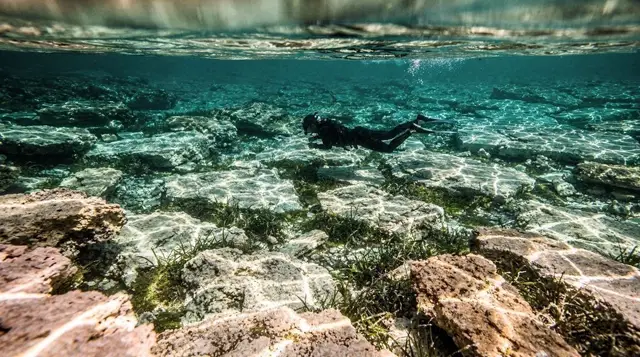
These are our own photographs of Sardinia, not the operator's pictures of this tour — open the tour page to see those.