| Where | La Maddalena archipelago, connected to La Maddalena island by causeway |
| Known for | Giuseppe Garibaldi’s home and burial site; Cala Coticcio, a turquoise cove nicknamed “Tahiti” |
| Getting there | Drive or cycle across the causeway from La Maddalena; boat for the remoter coves |
| Time needed | Half a day for the highlights; a full day with the Cala Coticcio hike |
| Best time | May-September for swimming and hiking |
An island reachable without a second boat
Caprera is the second-largest island in the La Maddalena archipelago, and unlike most of the smaller uninhabited islands around it, it doesn’t require a separate boat crossing — a causeway (the Passo della Moneta) links it directly to La Maddalena, so once you’ve made the short ferry crossing from Palau, Caprera is simply a drive or cycle away. That accessibility, combined with the island’s genuine mix of history, hiking and quiet coves, makes it an easy addition to a La Maddalena day rather than a separate trip in its own right.
Garibaldi’s home and final resting place
Caprera’s best-known site is the Compendio Garibaldino, the preserved farmhouse where Giuseppe Garibaldi, the central military figure of Italian unification, spent his final decades and where he’s buried. The house is kept largely as he left it, giving the visit a genuinely personal rather than purely monumental feel — furniture, personal effects and the working farm he ran here rather than a grand memorial building. It’s a worthwhile stop even for visitors without strong interest in 19th-century Italian history, since it grounds the archipelago’s natural scenery in a specific and well-documented human story, distinct from the region’s more distant Nuragic or Phoenician history found further south on the island.
Cala Coticcio: the cove nicknamed “Tahiti”
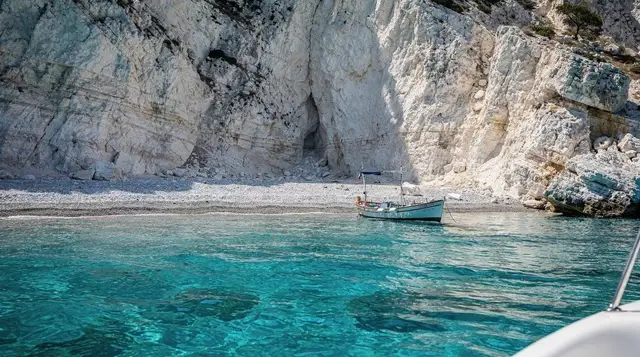
Caprera’s most photographed spot is Cala Coticcio, a small cove on the island’s less-accessible north-east side, known locally by the nickname “Tahiti” for water that runs through shades of turquoise rarely matched even by Sardinia’s better-known beaches. Reaching it means either a boat approach or a genuine hike over rougher terrain — there’s no easy drive-up access, which is part of why it stays quieter than beaches with direct road access, even in peak season.
The hike to Cala Coticcio with aperitif combines the walk with a guided aperitif stop, a good option if you’d rather not navigate the route independently or want the day framed around more than just the swim itself.
Boat options around the island
For visitors who’d rather see Caprera’s coastline from the water than hike to it, several boat tours cover the island’s coves directly. The Caprera and La Maddalena boat tour links both islands’ coastlines in one trip, useful if you want a single outing covering more of the archipelago’s inhabited islands rather than focusing on Caprera alone. The RIB boat tour of Caprera with snorkelling and swimming stops is a faster, more active option, better suited to visitors who want to cover more coastline in less time and prioritise time in the water over a leisurely sail.
From Cannigione on the mainland side, the boat tour covering Caprera, Spargi, Budelli and Santa Maria folds Caprera into a wider multi-island itinerary, a practical choice if you want to see the archipelago’s other main islands on the same day.
Hiking beyond Cala Coticcio
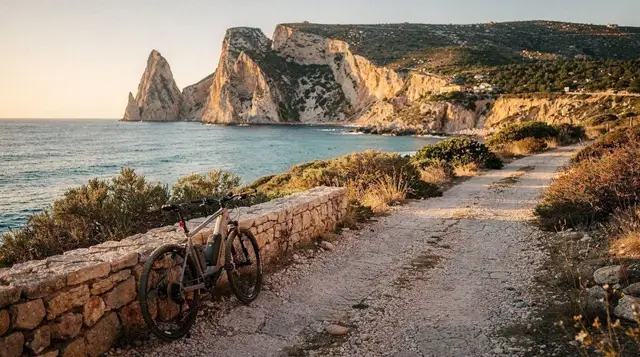
Caprera’s interior, largely protected as a nature reserve alongside the rest of the archipelago’s park status, holds a genuine network of walking trails through Mediterranean scrub and granite outcrops, quieter and less developed than anything on the mainland Gallura coast. Most routes are graded easy to moderate, without the altitude or exposure risk of hiking further south in the Gennargentu or Supramonte, making Caprera a reasonable option for families or less experienced walkers who still want a proper trail rather than a short waterfront stroll. Minimal shade across most routes makes an early-morning or late-afternoon start sensible in peak summer.
Diving around Caprera’s coastline
Caprera’s own rocky reef, at moderate depth, forms part of the wider archipelago’s diving appeal, generally the more beginner-friendly end of the range compared with the deeper granite boulder fields elsewhere in the archipelago or the more demanding Bonifacio Strait extension toward the Lavezzi Islands. Our diving at La Maddalena guide covers Caprera’s coastline alongside the archipelago’s other main dive areas, including pricing and what to expect at each depth range.
Getting to and around Caprera
Reach La Maddalena by ferry from Palau, a crossing of 15-20 minutes, then drive or cycle across the causeway to Caprera — no second boat needed for the island itself. A hire car or bike is genuinely useful here, since Caprera’s sights (Garibaldi’s house, the trailheads for Cala Coticcio, and the island’s various coves) are spread out enough that walking between them all in a single visit isn’t realistic. If you’d rather see the coastline from the water without driving, the boat tour options above cover Caprera directly from Palau, Cannigione or La Maddalena town.
Wildlife and the island’s protected interior
Caprera’s status within the wider La Maddalena national park means much of its interior scrub and coastline is actively protected rather than simply undeveloped, and the island supports a genuine range of Mediterranean maquis vegetation alongside seabirds nesting on its quieter rocky stretches. It’s a lower-key wildlife destination than Asinara’s white donkeys or the Gennargentu’s mouflon, but the combination of protected coastline and minimal development gives Caprera a noticeably wilder feel than its causeway access might suggest — worth keeping in mind if you’re expecting a fully tamed, resort-adjacent island simply because a road reaches it.
Where to stay
Caprera itself has no real accommodation to speak of, in keeping with its nature-reserve status, so almost every visitor bases themselves on the mainland side or on La Maddalena island proper. Palau offers the widest range of hotels and restaurants and puts you a short ferry ride from both La Maddalena and Caprera. Staying directly on La Maddalena island cuts out the daily ferry crossing but generally means a narrower choice of accommodation and dining than the mainland side offers.
Combining Caprera with the rest of the archipelago
Most visitors treat Caprera as part of a wider La Maddalena day rather than a standalone destination — see our full La Maddalena archipelago guide for how to structure a visit combining Caprera with the ferry crossing, boat tours to the smaller uninhabited islands, and diving. If a rest day from more active boating is welcome, Garibaldi’s house and a gentle Cala Coticcio hike make a naturally paced alternative to a full day back out on the water.
Frequently asked questions about visiting Caprera
Do I need to book a boat to reach Caprera?
No — a causeway connects Caprera to La Maddalena directly, so once you’ve crossed from Palau by ferry, you can drive or cycle straight across. A boat is only needed to reach coves like Cala Coticcio by water rather than on foot, or to see the island’s coastline from offshore.
Is Cala Coticcio worth the hike?
Yes, for the water colour and relative quiet compared with more accessible beaches — but it requires genuine effort on rougher terrain, or a guided boat/hike combination, rather than a casual roadside stop.
Can you visit Garibaldi’s house without a guided tour?
Yes, the Compendio Garibaldino operates as a standard museum site with entry available independently, though check current opening hours and any seasonal closures before visiting.
Is Caprera suitable for a family visit?
Yes — the causeway access, easy-to-moderate hiking trails and Garibaldi’s house all suit a family day reasonably well, with Cala Coticcio’s hike being the one section that demands more effort and supervision for younger children.
How long should I spend on Caprera?
Half a day covers Garibaldi’s house and a shorter coastal walk comfortably; a full day allows time for the Cala Coticcio hike or a dedicated boat tour of the island’s coves.
Is there anywhere to eat on Caprera itself?
Options are limited compared with La Maddalena town or the mainland — a handful of seasonal kiosks near the main sites rather than a proper restaurant scene, so most visitors plan lunch either before crossing the causeway or back on La Maddalena or in Palau.
What should I pack for a Caprera day?
Comfortable walking shoes for the Cala Coticcio trail, swimwear if a cove stop is part of the plan, sun protection given the limited shade on most routes, and water, since facilities on the island itself are minimal outside the main sites.
Can I visit Caprera as a day trip from the Sardinian mainland without staying in the archipelago?
Yes — most visitors day-trip from Palau or Cannigione, taking the ferry to La Maddalena in the morning and returning the same evening, rather than staying overnight on the archipelago’s islands themselves.
Does Caprera get as crowded as La Maddalena town in peak season?
Generally no — the causeway spreads visitors across a larger area than La Maddalena town’s compact centre, and Cala Coticcio’s access difficulty keeps numbers there naturally lower than at more accessible archipelago beaches.